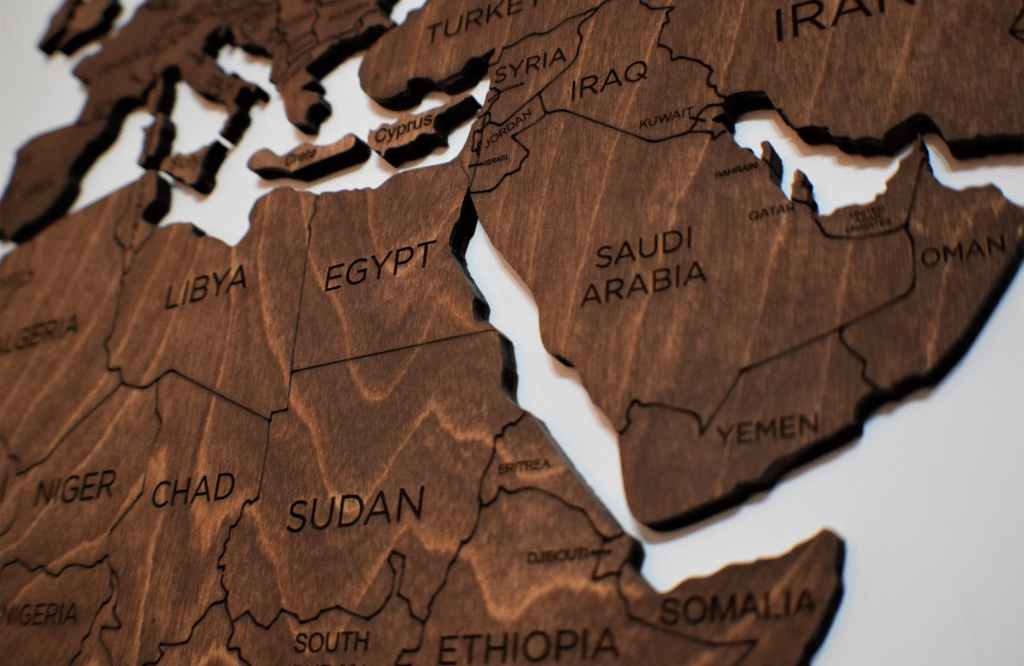
Segment X – Chaos Sans Conclusion (Chapter 41 – Liberation In Zinjibar)
Returning to the plight of Yemen in 2012, we delve into further drone strikes and their impact on AQAP, coupled with one of the jihadist outfit’s most horrendous crimes to date. The primary focus is on the maneuvers attempting to finally liberate the stricken city of Zinjibar. We conclude with another sophisticated AQAP plot endangering air travel.
For the entirety of the Series, please see – https://chroniclesinzealotry.com/fugitives-of-the-peninsula/
Steadfast Knight
In the meantime, AQAP repeatedly threatened with importunity to murder their 73 Yemeni soldier hostages, and on April 23 announced that an execution date of April 30 had been set [1]. The group reneged on the threat and Nasir al-Wuhaishi announced the liberation of the prisoners [2]. Perhaps the group realized that killing Yemeni soldiers in battle could be dismissed with ease in terms of public relations, but that beheading them while their families waited at home could turn the general populace against them. Some sources cited an internal dilemma arising within AQAP over the subject [1], so the group may have been acting in self-preservation. There was also the significant factor of tribal negotiations as well, that led to the April 29 release of all 73 prisoners [2,3]. Ansar al-Shariah negotiators were represented by Ibrahim al-Rubaish and Jalal al-Balaidi al-Marqishi [3]. The initial promise to murder all of the men on April 23 may have stemmed from a drone event that transpired the day prior, in which the US finally scored a fatal blow against the AQAP leadership.
On April 22, in the relatively forgotten Marib province in which most of the unrest had been born, a convoy of vehicles was passing through the Samadah region near the Jawf provincial border when they were reduced to flames and shards by missiles fired from US drones [4]. The dead included men later named by AQAP as Bashir al-Najdi and Hassan Hussain Dalil, both of whom served as lieutenants to Abu Ghraib al-Taizi [5]. This man was better known as Mohamed Said Ali Hassan al-Umdah (G-6), and was also counted amongst the deceased that April day [4,5]. Umdah was an important leader, spokesman, military commander, planner, and logistician for Wuhaishi’s network [4,5]. He held a multitude of roles, which originated from his long history with extremists. One might remember from Segment VI that Umdah had been a coconspirator with Abdulrahim al-Nashiri in his plots within Yemen, a vital part of his network that had been swept up in police raids with the rest and locked away until his eventual 2006 escape [5,6,7,8,9]. Umdah had joined Nashiri because of his status as a former Osama bin Laden bodyguard [6]. The man had the trust of the al-Qaida emir and as such had recorded a martyrdom tape held by al-Qaida military chief Mohamed Atef in 2001 [7]. This recording led to an international search for Umdah, which ended with him being considered a non-factor due to his eventual detention in Yemen [7,8,9]. After his escape, the long-time jihadist continued his career, assisting in the restructuring of al-Qaida’s Arabian franchise [5]. Wuhaishi’s closest associates had managed to keep themselves out of the line of fire, and none of the escapees of List G had perished since Hamza al-Quayti’s death in 2008. The US seemed to be focusing primarily on middle and lower level fighters involved in ground operations in the south. The senior leadership was hiding provinces away and running the southern battles from afar and from underground. The US managed to change the circumstances on April 22, and soon thereafter greatly increased their supremacy in the sky, bringing about even more drone strikes with the allowance of the variation on Signature strikes [10]. Umdah’s demise was grieved by AQAP in an April 29 announcement which declared the man a “steadfast knight” and which referred to a “portfolio of revenge” in reaction to his death [5]. After so long of a wait, and after missed opportunities against Qasim al-Rimi and Said al-Shehri, the Americans had finally succeeded in terminating a member of Wuhaishi’s inner circle.
Further Inspiration
As to the effectiveness and periodicity of jihadist propaganda producted in Yemen at this time, the AQAP media machine proved that it could maintain itself even without Samir Khan. Stepping up for the group was Jalal Balaidi al-Marqishi who conducted several interviews with Abdulrazaq al-Jamal for Yemeni media, and who issued several statements [11,12]. Marqishi was obviously considered as important as Fahd al-Quso who was also continuing to be profiled by the journalist [13]. As the leader of the outfit’s efforts in Abyan it was seemingly important for Marqishi to be seen as safe and in charge while they maintained hold on their terrirtory. As mentioned, he was very visible in the debacle that was the abduction of the dozens of Yemeni soldiers [3]. In May, Adel al-Abab provided condolences for the loss of Abu Omar Mohamed al-Haniq, an AQAP commander for Sanaa province who judged cases via sharia law in Jaar [14]. The judge died of an illness as opposed to an airstrike, but was of enough importatce to warrant a statement from Abab. But perhaps more interesting was the continued release of Inspire magazine. On May 2, 2012, a duo of issues was released, containing both the eighth and ninth of the periodical [15]. The eighth issue is labeled for Fall 2011 while the ninth is for Spring 2012 [16,17]. The delay in the release of issue eight, appears directly related to Samir Khan and Anwar al-Awlaki’s deaths, and as such, it contains the last writings of either man [15]. Awlaki’s musings continue to be disturbing and contain justifications on the killing of innocents, and of attacking populations of non-Muslim countries [16]. Yet again the magazine recycles statements from higher al-Qaida leadership, with works by Osama bin Laden and Abu Yahya al-Libi included, plus jihadist theologian Abu Musab al-Suri [16]. Khan discusses being both a jihadist and an American, while a portion of the magazine is dedicated to instructing proper handgun technique and providing knowledge on fabricating remote controlled detonation devices [16]. There are also biographies celebrating the martyrdom of well known AQAP officials. As mentioned in the previous Segment, both Ali Said Hussain Jamil (Muwahid al-Maribi), and Ayedh Saleh Mohamed Jabir al-Abidi (Ayedh al-Shabwani) were killed fighting in Abyan, and herein they are eulogized [16]. They are both described as individuals who joined AQAP early in its formations in Yemen and played vital roles in the “Battle of Marib,” in which a Yemeni operation to kill or capture Shabwani had ended in devastation when AQAP forces responded with an ambush [16]. For Muwahid al-Maribi, he was described as the emir of Marib before moving to focus efforts on Abyan and was considered a great negotiator among the ranks, helping to prevent rifts among the brothers [16]. For Ayedh al-Shabwani he was portrayed as a fierce fighter despite a wounded right leg that left him with a limp [16].
Another AQAP official eulogized in this issue was Bakr Said Mohamed Numaan (Abu Ayman al-Masri), an Egyptian of Egyptian Islamic Jihad origins who had immigrated to Yemen and implanted himself within the jihadist community therein [16]. He had been a key ally to Abu Ali al-Harithi and had been with him when Yemeni forces attempted an arrest in late 2001, which resulted in battle between the military and local tribesmen [16]. Numaan was instrumental in sheltering and providing for Wuhaishi and his men after their escape from prison in 2006 [16]. In particular he is known to have directly assisted Wuhaishi, Umdah, Hamza al-Quayti, and Qasim al-Rimi [16]. While these men were staying with the Egyptian, he brought into the fold one of his contemporaries, Ibrahim al-Bannah, who assisted the group in recreating AQAP [16]. It was Bannah who eulogized Numaan, describing him as dedicated and as having assisted multiple young extremists in travel to Iraq and other theatres of jihad [16]. Bannah and Numaan should not be confused, as they both share the same kunya. The deceased Abu Ayman is described as generous, demonstrated in that he slept outside as his guests resided in his house on his farm [16]. Furthermore, Bannah described in detail how Numaan participated in the Battle of Marib, helping to lead forces there [16]. Also in the Battle of Zinjibar he was recounted as taking part in the effort to capture the city’s soccer stadium, a move which helped to completely surround the 25th Mechanized Brigade in 2011 [16]. Bannah narrated how he and the ideologue Ibrahim al-Rubaish observed Numaan in the days and even the very moments before his martyrdom, covered in dust from the fighting [16]. Eventually, Bannah states that Numaan was shot down in battle from the machine gun fire of a helicopter [16].
For the ninth issue, the eulogies turned to the magazine’s original editors. Yahya Ibrahim opened the issue as the new editor, declaring that much to the disappointment of their enemies, AQAP would continue to release publications [150-17]. Ibrahim al-Rubaish provided further foundation for this in declaring that even though senior jihadists were being killed, their skillsets were being passed on [17]. He maintained that the publications would continue and that their goals of creating more Nidal Hassans and Omar Faruq Abdulmutallabs would be achieved [17]. Next, a new AQAP ideologue, Harith Ghazi al-Nadhari was revealed in the English language, with his eulogy of Awlaki and his reminiscence of their time together [17]. He heaped praise onto Awlaki in the tribute and detailed their time while imprisoned in Yemen. By the date Nadhari was released, he reconnected with Awlaki and joined AQAP [17]. Awlaki’s near brush with death in May 2011 was described by Nadhari with religious overtures, portraying Awlaki as a hero who had no fear from the fact that he was just targeted in a drone strike [17]. As Nadhari admitted, Awlaki was not as fortunate in the next attempt on his life, but Nadhari also lamented on not being with him in martyrdom [17]. Samir Khan also received an encomium in this issue as well, mostly full of praise for his religious stature [17]. The author, a friend of Khan’s, was a Yemeni who was raised in Qatar and thus known as Abu Yazid al-Qatari [17]. One story of interest that Abu Yazid relays, was how Khan lost his phone upon arrival to Yemen and thus had no way of reconnecting with AQAP, yet miraculously as he related it, the jihadists were still able to find one another [17]. Khan’s will was also published in the magazine along with the editor’s scathing rebuke of America for the death of Awlaki’s innocent young son Abdulrahman [17]. The rest of the magazine was typical anti-America, anti-Israeli propaganda, recycled statements, recipes for how to construct firebombs, and an interesting comparison of Islamic and Christian extremist violence, where of course the Islamic version is found to be just [17]. AQAP, with the release of the magazines, was attempting to maintain relevance, survive the attrition of their leadership, and demonstrate the legitimacy of their governance over portions of Yemen.
Cavalcade Catastrophe
Haitham Hamid Hussain Mufreh marched through Sana’a amidst an impressive display of military strength on May 21, 2012 [18,19]. Practice for a cavalcade of soldiers, commemorating Yemen’s National Day culminated in Sabeen Square, in close proximity to the Presidential Palace [19,20,21,22]. The actual event was to be held the following day in the presence of President Abdrabbuh Hadi [20,21]. In attendance for the rehearsal were Major Gen. Mohamed Nasir Ahmed, the Defense Minister of the war torn country, and military chief of staff Ahmed Ali al-Ashwal, there to provide guidance and encouragement to his soldiers [22,23 / 20,21]. With the military focused on reclaiming the south, the units on display in the capital this day ceremoniously memorialized the reunification of Yemen 22 years prior [20,23]. They also represented a chance against AQAP, and offered a glimpse of the recent past. Mufreh marched within the ranks of the Central Security Forces, commanded by former President Saleh’s eldest nephew Yahya Saleh [21,24]. This paramilitary unit was utilized to conduct counterterrorism missions, but a malignancy had taken within in the form of the rogue Mufreh [19,21,24,25,26]. Beneath his uniform was an explosives belt provided by an AQAP cell, and his path to destruction was cleared by a fellow Central Security member working for AQAP as well [19,24,27]. Wuhaishi had managed to penetrate even the American trained Central Security forces, an accomplishment of one of his most adroit operatives [27]. Shawqi Ali Ahmed al-Badani was already listed as wanted by the Yemenis back in 2010, but hid in the tenebrity of the AQAP periphery, eluding capture long enough to logistically support the ruination of National Day [27,28,29]. Badani was not encompassed by the engagements in the south, or hiding in remote provinces, but was rather operationally active in Sana’a, plotting an attack on the US Embassy, in addition to this devastating and demoralizing message for the Yemeni military [27,28]. As Mufreh and his comrades saluted their officers, in patriotic solidarity during the Yemeni national anthem, his belt detonated, pulverizing his surroundings in a relatively slight radius [19,22,24]. That being said, the human toll was significant due to the formation of the troops. With an initial 63 soldiers reported killed, the number grew to 96 the next day, and settled around 122, as Wuhaishi exacted revenge via this carnage for his lost territory in Abyan [20,21,26,28]. As the battle progressed, AQAP plunged a dagger into the metaphorical heart of its opponent, threatening more if the campaign did not cease [18,19,26]. Retribution was swift and President Hadi ended Yahya Saleh’s tenure over the Central Security Forces [21]. The Defense Minister and his chief of staff survived the bombing, an admitted AQAP attempt on their lives [20]. But the greater toll on the soldiers and their morale was a stunning counterattack by the militants. The Yemenis claimed to capture two more potential bombers shortly thereafter, but AQAP only took responsibility for Mufreh [18,23,30]. Their rogue had practiced for a triumphant parade, only to render it a colossal disaster. AQAP partook in war in provinces away from Sana’a, but for the first time since an attack on the British Ambassador in 2010, had brought terror to the capital [31]. The desecrated Yemeni counterterrorism forces were strewn about, decapitated and amputated by the sheer power of the explosion, the multiple lanes of the avenue in Sabeen Square permanently stained by blood [19,24,26].
Badani and his contributions to jihad seemed trivial upon his listing as wanted by the Yemeni’s, but it was this disregard that allowed him the aptness to coordinate such an operation. Badani’s cell was extensive, as exemplified through the summer when the Yemeni authorities obtained Mufreh’s will, computers, and weapons, when they ostensibly captured numerous senior and logistical members including Hizam al-Qulaisi, Samir al-Sahib, Yahya al-Sanhub, and the other Central Security soldier Ahmed al-Atiq Radai al-Azani [27]. Others, including bomb maker Saleh al-Jawhari and Badani himself were not apprehended. American authorities accused another AQAP operative, Bilal Ali Mohamed al-Wafi of involvement [32]. He too eluded the dragnet. However, the entire idea of the apprehensions appears to be questionable at best, as will be detailed later in the Segment.
Additionally, the day before the bombing, AQAP assailants attempted to assassinate American military instructors working with the Yemeni coast guard, spraying their Land Rover with bullets as it departed their hotel and rode through the port of Hudaydah [21,33,34]. While the attack resulted in no deaths, one American was shot in the neck and badly wounded, a fact that was proudly proclaimed by AQAP [25,33,34]. Wuhaishi’s counter strikes were not over though, as on May 25 two suicide bombers struck Houthi rebels, one a car bombing of a school during Friday prayers in Jawf province leaving at least a dozen dead, the other a failed attempt on a protest march in Saada province rendering only the attacker deceased [35,36]. AQAP only celebrated the successful bomber, claiming he killed 14 Houthis, and naming him as Khalid al-Adani (Abu Bakr al-Adani), a university student from Aden who had renounced all else in order to die for his religion [37]. All the while, the walls of the fragile palace that was Abyan were falling.
Liberation
As such, all focus shifted to bringing about an end to the AQAP “Islamic Emirate of Waqar,” and the fallacy of their supposed indomitable hold on the region. Mere days prior to the horrific bombing, an all-out Yemeni offensive began to finally clear Zinjibar and the surrounding towns of the radical scourge [38]. Beginning on May 12, 2012, the Yemeni military made a concerted effort to drive AQAP forces out of their controlled territory [38]. What commenced was a month-long battle against AQAP which in the end was successful for the Yemenis [38,39,40] – [A].
US Special Forces and air assets reportedly were located at Al-Annad Airbase in Lahaj, assisting in the progression of the offensive [41,42]. General Salim Ali Qatan had just been appointed to helm the Yemeni Southern Military District in March by President Hadi [43]. As such, he took the fight to AQAP offering deliverance to the beleaguered 25th Mechanized Brigade, bogged down along with the 119th Infantry Brigade, and pushing the stalemated 201st Mechanized, 31st and 39th Armored, and 115th Infantry Brigades into an advance against Zinjibar and Jaar [38,39,44]. In doing so they were reinforced with the newly arrived 135th Infantry Brigade [38,40]. Finally, the Yemenis were moving against the Ansar al-Shariah/AQAP forces in their strongholds. The fighting was fierce and included the AQAP counter strikes against military forces, to include the parade bombing, as the campaign successfully marched forward [38,45,46]. A running toll counted by local press estimated that 429 AQAP fighters, 78 Yemeni soldiers, 26 government allied tribesmen, and 34 civilians were killed in Abyan during the harsh fighting [40]. Among the dead in Zinjibar was Khan’s biographer Abu Yazid al-Qatari, pulverized by tank fire [47]. As an English speaker, he may have been intended as an heir to Khan, but fell with a multitude of other AQAP belligerents.
A number of the fallen jihadists were Somalis, having traveled to AQAP for training and fighting as part of coordination with the Al-Qaida franchise Al-Shabaab [46]. An initial litmus test had been the infested district of Lawdar within Abyan, as tribal militias, also called “popular committees”, were increasingly relied upon for extra military strength [38]. The vicissitudes of AQAP in Abyan truly began here as these committees fought alongside of the 111th Infantry Brigade to seize Lawdar while also augmented by the 26th Republican Guard and 2nd Mountain Brigades, previously stationed in Sana’a; bearing a true sign of President Hadi’s dedication to resolving the problems of the south [38,39]. While April saw Lawdar’s defenders softened and their losses (such as Khallad al-Farisi) increase, the month of May saw the liberation completed [39]. If Lawdar could be taken, General Qatan could certainly take Zinjibar and the rest of the province. By May 25, more districts of Zinjibar had been liberated [46].
In a display of palpable desperation, AQAP offered to release their Swiss hostage Sylvia Abrahat and the Saudi diplomat Abdullah al-Khalidi in exchange for a ceasefire [48]. The jihadists were promptly refused, and the campaign continued [49]. Counterattacks were repulsed by the Brigades engulfing Zinjibar and Jaar, painstakingly bringing the endeavor to inevitable culmination. AQAP attempted to reach out to sympathizers via propaganda to combat the offensive as well. Harith al-Nadhari, under the name Mohamed al-Murshidi, released an audio message lambasting the American interference in Yemen [50]. Marqishi posted an attempt at video evidence that AQAP had yet to relinquish their ground [51]. American airstrikes in Abyan persisted in order to support the Yemenis in their endeavor [41].
By June 11, the Yemeni military was on the verge of victory, preparing even to retake the former factory AQAP had utilized as a weapons facility in Jaar [52]. On June 12, the punishing advance was finally successful in driving the militants from both Jaar and Zinjibar [53,54]. General Qatan heralded the expulsion of the militants, as hundreds of his enemies fled Zinjibar before his forces, supplemented again by popular committees [53]. Finally, the road from Aden to this portion of Abyan could be reopened for normalcy [53]. As Marqishi fled for Azzan in Shabwah province, his convoy came under direct fire from the increasingly lethal American airstrikes, yet the militant commander reached his destination unscathed [55]. As the Yemenis kept the pressure on their adversaries, Shuqra fell next on June 15, as the 111th, 26th, and 2nd Brigades converged on the town [39,40,56]. Sea-faring vessels were even bombarded to prevent the militants from escaping via the ocean [53]. While at least 31 militants were killed in Shuqra that day, the next aim of the Yemeni military was Azzan in Shabwah, where fighting had already left 53 jihadists neutralized, when more Yemeni Brigades from the town of Ataq moved on the enemy positions [56]. Adel al-Abab, in futility, issued threats to the soldiers and explanations on why they were being targeted, no doubt in hopes of slowing down the inevitable tide of defeat [57]. Perhaps anticlimactically, AQAP militants voluntarily withdrew from their stronghold Azzan on the June 17 [58]. This was in response to the military massing forces outside of the town [39,58].
Fleeing with the remaining militants deeper into Shabwah province was Marqishi, the commander of the AQAP Abyan military venture [56]. He survived the brutality, but in the end his counterpart did not. In Aden, General Qatan was subject to an AQAP suicide bomber of Somali origin who flung himself towards the General’s motorcade and detonated [43]. The General was killed on June 18, just after the overwhelming success of his advance into jihadist held territory [43]. Nonetheless, the Islamic Emirate in Abyan and Shabwa was eradicated for now. Months after the Yemenis thought they had secured victory in Zinjibar, finality to this chaos was seemingly achieved. Yet lingering questions remained: could a conclusion actually be rendered to this violent organization?
Vengeance For The COLE
AQAP had a suicide bomber ready to take down a US bound aircraft with unhindered success and Fahd al-Quso knew it [59,60,61,62]. The candidate bomber had never met with Ibrahim al-Assiri, but the young Saudi was willing and well educated on the process [63]. Assiri’s newest incarnation of what the Western media had dubbed the “underwear bomb” was virtually undetectable by current screening methods. The Saudi bomb producer also outfitted it with two forms of chemical detonators and no metal components so as to decrease any likelihood of discovery [59,61]. The underwear could be worn comfortably as normal and were by and far the easiest way to smuggle the plastic explosive PETN onto a commercial airliner in such quantities as to bring down the aircraft [59,62].
Quso had exposed himself in the planning of the operation, the plotting, and the initial rejoicing at its inevitable success [63]. The dreams of Anwar al-Awlaki and Nasir al-Wuhaishi would finally come to fruition. After so many close attempts in which AQAP saw its visions foiled, from the Christmas Day bombing to the failed assassination of Prince Mohamed bin Naif, the group would finally send a clear and powerful message to the West: AQAP was relevant, dangerous, substantial, and a diligently threatening force.
The Saudi youth had volunteered himself for the mission, and while it was relatively easy to convince a suicide bomber to conduct a ground mission, it took much special training, unwavering confidence, and determination to carry out such an operation in the air [59,60]. The man needed to be solid of mind, and he appeared to be. Quso however, did not see the full story. The man he and AQAP leaders had been so proud of, confidant of, and sure of, was in fact an infiltrator [60]. The man was recruited by Saudi intelligence and British MI6 in conjunction with the CIA, specifically to bring down Assiri and his explosives prowess [59,60,63]. The man had breached AQAP with spy agencies’ assistance and offered himself as a suicide bomber for a very high-profile mission [59,60]. The double agent was to gain the trust of the network and its leadership, and find out how they were planning to next strike at the West, particularly via the sky.
The Saudi had been given British citizenship in order to convince AQAP of his ease in getting aboard a flight bound for the US [60]. Although he had never met with Assiri, he still had vital information on Quso and the bomb itself [63]. When he defected back to his awaiting CIA, MI6, and Saudi handlers he brought with him an invaluable prize: the newly innovated bomb delivery method of AQAP and Ibrahim al-Assiri [63]. As a reward he was eligible for the safe relocation of he and his family, as well as substantial monetary reward [60]. AQAP had been foiled yet again. It may well have been worse for the organization, as it appears the operation was compromised by a report, and the White House had to accept an early end to the mission [64]. Despite this, they still had the bomb being scrutinized by the FBI, and the location of the long sought after fugitive Quso [63].
Some success was already achieved though, as years later it was revealed that the seemingly innocuous drone strike from March 30 in Shabwa province, had actually targeted and eliminated one Dr. Khadim Osama, a surgeon utilized by AQAP to revolutionize suicide bombing, via the surgical implantation of devices into humans [65]. Ibrahim al-Assiri recruited the medical professional after the failed venture of his brother Abdullah [65].
Quso was unaware of his compromised status when on May 6, 2012 he returned to his mountain hideout amongst his Awlaki tribe in Wadi Rafad, Shabwa province [66]. The Awlakis had been instrumental in covering and sheltering AQAP militants due to their relations such as Anwar al-Awlaki and Fahd al-Quso requesting assistance from them; and the drone strikes were only solidifying the sentiment against the Americans [67]. Outwardly, it seemed as if Quso was in a veritable haven when he and an accomplice Fahid Salim al-Akdam [68], pulled over his vehicle to greet a young tribesman that fateful evening [67]. This region had been the site of the strike that killed Quso’s relative Mohamed Ahmed Saleh Omayr al-Kalawi al-Awlaki over two years before, and it remained an AQAP stronghold [69]. Quso’s name occupied a spot both on the FBI’s most wanted list and the State Department’s Rewards for Justice Page [70,71]. He had maneuvered himself out of Yemeni prison early due to his close ties to PSO officers and had been able to ferment his early days of jihadist influence from bin Laden and senior al-Qaida officials with years of close association with Wuhaishi and AQAP [71,72]. In fact, Quso became a valued member of Wuhaishi’s inner circle and one of his staunchest lieutenants [71]. Part of this was due to his storied past, his role as a logistician, and the rest was due to his abilities with garnering tribal support.

Quso had obviously played a role in this new concealed bomb plot to destroy an airliner. Regardless of his importance, his willingness to let the double agent have information on him led the CIA right to his metaphorical doorstep [59]. On May 6, 2012, Quso, his fellow militant Akdam [68], and his vehicle were obliterated in the mountainous region, ending his 12 year long career as a terrorist whose avoidance of justice had plagued the US [66]. The unfortunate acquainted tribesman, a 19 year old named Nasir Salim, perished as well, further fomenting the anger against American interests for future generations [67]. Yet, for now vengeance had been achieved. Quso had participated in the murder of 17 US Navy sailors and represented a fear in the United States that some men would just never come to face the consequences of their actions. That day in May, Quso discovered that justice is infinite.
SEGMENT X Appendix (For Status of Lists D, E, F, and G as of Summer 2012):
LIST D:
- NOOR MOHAMED MUSA (CHAD – Q)
- MANOOR MOHAMED YUSEF (CHAD – Q)
- OTHMAN MOHAMED KOURANI (CHAD – Q)
- MUHSIN AYED FADHIL AL-FADHLI (KUWAIT – K)
- ABDULLAH WALAD MOHAMED SAYYED (M)
- ZAID HASSAN HUMAID (YEM – Y)
- FAHD SALEH AL-MAHYANI (Q)
- ADNAN ABDULLAH AL-OMARI AL-SHARIF
- MARZOUQ FAISAL AL-OTAIBI (Q)
- ADEL ABDULATEEF AL-SANIE (L)
- MOHAMED ABDULRAHMAN AL-DHAIT (Q)
- SULTAN SUNAITAN AL-DHAIT
- SALEH SAEED AL-GHAMDI (K)
- FAYEZ ABDULLAH AYUB
- KHALID MOHAMED ABBAS AL-HARBI (L)
- MOHAMED OTHMAN AL-ZAHRANI
- ABDULLAH MOHAMED AL-RAMYAN (Q – perished in Saudi custody)
- MOHAMED SALEH AL-RASHOUDI (Q)
- SAAD MOHAMED MUBARAK AL-JUBEIRI AL-SHEHRI (K)
- ALI MATER AL-OSAIMI (Q)
- FARIS ABDULLAH AL-DHAHIRI AL-HARBI (Q)
LIST E:
- IBRAHIM HASSAN TALI AL-ASSIRI (Y)
- IBRAHIM SULAIMAN HAMAD AL-HABLAIN (L)
- IBRAHIM SALMAN MOHAMED AL-RUBAISH * (Y)
- IBRAHIM MOHAMED ABDULLAH AL-MUDIAN (Q)
- AHMED IBRAHIM MOHAMED AL-TUWAIJRI (L)
- AHMED SALEH ALI AL-SHIHA (K)
- AHMED ABDULLAH SALEH AL-KHAZMARI AL-ZAHRANI (I)
- AHMED ALI BARAKAT AL-SHADAWI AL-ZAHRANI (K)
- AHMED ALI ATALLAH AL-FARHUD (Y)
- AHMED QATIM MOHAMED AL-HUZALI (Y)
- OSAMA HAMUD GHARMAN AL-SHEHRI (K)
- OSAMA ALI ABDULLAH DAMJAN AL-DOSARI (K) (presumed killed 2010 – surrendered 2016)
- BASIL AYED ALI AL-QAHTANI (Y)
- BADAH MUKHIS BADAH AL-KODARI AL-QAHTANI (Q)
- BADR SAUD OWAID AL-AWFI AL-HARBI (Y)
- BADR MOHAMED NASIR AL-SHEHRI (K)
- BAHEEJ ABDULAZIZ ABDULLAH AL-BAHEEJI (S-Q)
- TURKI MASHAWI ZAYED AL-ASSIRI * (Y)
- THAMIR MOHAMED GHIRAM AL-AMRI (Y)
- JABIR JABRAN ALI AL-FAIFI* (Y)
- HASSAN IBRAHIM HAMAD AL-SHABAAN (I)
- HASSAN AYED BADAH AL-SAAD AL-QAHTANI (Q)
- HUSSEIN MOHAMED ABDU (H)
- HAMAD HUSSEIN NASIR AL-HUSSEIN (K)
- KHALID IBRAHIM AHMED AL-SUNBUL AL-ASSIRI (K)
- KHALID SALIM OWAID AL-LUHAIBI AL-HARBI (K)
- KHALID SALEH ALI AL-SAMITI (K)
- KHALID GHALLAB FARI AL-ROUKI AL-OTAIBI (I)
- RAYED ABDULLAH SALIM AL-DHAHIRI AL-HARBI (Y)
- RAYAN MOHAMED HUMAIDI AL-ZAYEDI (I)
- SAID ALI JABIR AL-SHEHRI * (Y)
- SULTAN RADI SUMAILIL AL-OTAIBI (S-Q)
- SALEH SULAIMAN HAMAD AL-HUBLAIN (K)
- SALEH ABDULLAH SALEH AL-QARAWI (K – wounded and surrendered to Saudis)
- SALEH NAIF EID AL-MAKHLAFI (K) “ABU HAFS AL-NAJDI”
- TULAIHAN MUTLAQ TULAIHAN AL-MUTAIRI (K)
- ADEL FILAIH SALIM AL-JAFARI AL-ANAZI (K)
- ABDULILLAH MUSTAFA MOHAMED AL-JUBAIRI AL-SHEHRI (Y)
- ABDULRAHMAN ABDULLAH ABDURRAHMAN AL-DOSARI (S)
- ABDULLAH HASSAN TALI AL-ASSIRI (Y)
- ABDULLAH SALIM DUHAIM AL-QAHTANI (I)
- ABDULLAH ABDURRAHMAN ABDULLAH AL-MURSHID (?)
- ABDULLAH ABDURRAHMAN MOHAMED AL-HARBI (Y)
- ABDULLAH ABDULKARIM IBRAHIM AL-SALOUM (Q)
- ABDULLAH OTHMAN ABDURRAHMAN AL-DUBAIKHI (Q)
- ABDULLAH FARAJ MOHAMED HAMUD AL-JUWAIR (Q-Y)
- ABDULLAH MOHAMED ABDULLAH AL-AYED (K)
- ABDULLAH NASIR SULAIMAN AL-RAYAI (S-Y)
- ABDULMUHSIN ABDULLAH IBRAHIM AL-SHARIKH (I)
- OBAID ABDURRAHMAN ABDULLAH AL-OTAIBI (Y)
- OBAID MUBARAK OBAID AL-KUFAIL (L-S)
- ATIQ FARAJ SATI AL-HASSANANI (K)
- OTHMAN AHMED OTHMAN AL-OMEIRA AL-GHAMDI * (Y)
- OTHMAN SULAIMAN DAKHEEL AL-SUWAID (Q)
- ADNAN MOHAMED ALI AL-SAYEGH * (Y)
- AZZAM ABDULLAH ZUREIK AL-MAULID AL-SUBHI (K)
- OKAIL OMAISH OKAIL AL-MUTAIRI (Q) (Surrendered 2010 – killed as recidivist in 2015)
- ALI SAUD OMAIR AL-SHANBARI (K)
- ALI ABDULAZIZ ALI AL-AMRI (Y)
- FAYEZ GHUNAID HAMID AL-HIJRI AL-HARBI (K)
- FAHD RIKAD SAMIR AL-RUWAILI (S)
- FAHD SALEH SULAIMAN AL-JUTAILI * (Y)
- FAHD MOHAMED SAAD AL-AJLAN (Q)
- FAHD MOHAMED ALI AL-JUAITHIN (Q)
- FAWAZ AL-HUMAIDI HAJID AL-HABRADI AL-OTAIBI (I)
- FAWZAN OWAIZ ATIQ AL-ZAHIMI AL-SALAMI (Q)
- FAISAL JASIM MOHAMED AL-AMRI AL-KHALIDI (K)
- QASIM MOHAMED MAHDI AL-RIMI (Y)
- MAJID MOHAMED ABDULLAH AL-MAJID (Q)
- MOHAMED SAAD SAID AL-SIYAM AL-AMRI (Q)
- MOHAMED ABDURRAHMAN SULAIMAN AL-RASHID (Y)
- MOHAMED ABDULLAH HASSAN ABUL KHAYR (K)
- MOHAMED ATIQ OWAID AL-AWFI AL-HARBI* (Y)
- MOHAMED ALI MOHAMED AL-MUTLAQ (K)
- MOHAMED HILAL THAWAB AL-MAQATI AL-OTAIBI (K)
- MURTADA ALI SAID MUKRAM * (Y)
- MISHAL MOHAMED RASHID AL-SHADOUKHI* (Y)
- MUJAB ATIYAH ABDULKARIM AL-ZAHRANI (ABDULLAH AZZAM AL-SAUDI) (K)
- MUKAD QAED MUKAD AL-MAQATI (K)
- NASIR ABDULKARIM ABDULLAH AL-WUHAISHI “ABU BASHIR AL-YEMENI” (Y)
- NAIF MOHAMED SAID AL-KODARI AL-QAHTANI (Y)
- WALID ABDULLAH IBRAHIM BIN BARGHASH (K, in Turkish Custody)
- WALID ALI MASHAFI AL-MASHAFI AL-ASSIRI (Y)
- YUSEF MOHAMED JAMIL ABDULLAH AL-TAKRUNI (K)
- YUSEF MOHAMED MUBARAK AL-JUBAIRI AL-SHEHRI * (Y)
LIST F:
- AHMED ABDULAZIZ JASSER AL-JASSER (Y)
- AHMED MOHAMED ABDULAZIZ AL-SUWEID
- ANAS ALI ABDULAZIZ AL-NASHWAN
- BASIM SALIM INAD AL-SABILAH
- BASIM MOHAMED HAMID AL-FEZI AL-JEHANI
- BASSAM IBRAHIM YAHYA AL-SULAIMANI
- BANDAR MISHAL AL-SHIAN AL-SHAIBANI AL-OTAIBI
- TURKI SAAD MOHAMED QALIS AL-SHAHRANI (Y)
- TURKI HADI SAAD AL-ATIFI AL-QAHTANI
- HUSSEIN SALEH ZAFIR AL-BAHRI
- HAMZA MOHAMED HASSAN ARISHI
- KHALID ALI ABDULRAHMAN AL-JUBAILI AL-QAHTANI
- KHALID HADAL ABDULLAH AL-ATIFI AL-QAHTANI
- ZAAM SAID FARHAN AL-SHAIBANI AL-OTAIBI
- SAAD QAED MAJID AL-MAQATI
- SULAIMAN AHMED AL-TURIKHIM AL-HAMDAN
- SALEH ABDULAZIZ HAMAD AL-LUHAIB
- ADEL RADI SAQAR AL-WAHABI AL-HARBI
- ADEL SALEH AHMED AL-QUMAISHI
- ABDULRAHMAN ABDULAZIZ RASHID AL-FARRAJ
- ABDULRAHMAN FAYAD MOHAMED AL-RUWAIS AL-OTAIBI (K)
- ABDULRAHMAN MOHAMED ZAFIR AL-DUBAISI AL-JEHANI
- ABDULSALAM ABDULAZIZ RASHID AL-FARRAJ
- ABDULAZIZ MOHAMED AHMED ASLAMI AL-ASSIRI
- ABDULLAH HAMID HAMAD MOHAMED AL-JADANI
- ABDULLAH SULAIMAN SALEH AL-DHABAH
- ABDULLAH ABDULHADI MAHDI AL-KISHI AL-JEHANI
- ABDULLAH ALI ABDULAZIZ AL-SUWEID
- ABDULLAH MOHAMED FAHAM AL-MAQATI
- ABDULMAJID FARIS MARZUQ AL-MAQATI AL-OTAIBI
- ABDULMAJID FAISAL MOHAMED AL-JUBAIRI AL-SHEHRI
- AMIR SULEIMAN ALI AL-ALI
- FAHD OWAID MATIQ AL-MAABADI
- FAWAZ AYED JUMAN AL-MASUDI AL-OTAIBI (K)
- FAWAZ OWAID MATIQ AL-MAABADI
- FAISAL MUTAID MUQBIL AL-MURAIKHAN AL-HARBI
- MATEB HAMAD MOHAMED AL-JERAIWI
- MATEB SAID MOHAMED AL-AMRI
- MOHAMED SALIM SAID AL-BURAIKAN (K)
- MOHAMED FARHAN SALMAN AL-MALKI
- MOHAMED MUFREH MOHAMED AL-ADWANI AL-ZAHRANI
- MARAN FARHAN GHAZI AL-SHAIBANI AL-OTAIBI
- MUJAB MOHAMED JAMAL AL-QAHTANI
- HASHIM MOHAMED IBRAHIM AL-HINDI
- WALID JARBOUE EID AL-JALIDI AL-HARBI
- WALID HUMAID HAMID AL-WALADI
- YASIR DAKHEEL NAIF AL-WAHABI AL-HARBI
LIST G:
- JAMAL MOHAMED AHMED ALI AL-BADAWI
- NASIR ABDEL KARIM ABDULLAH AL-WUHAISHI
- QASIM MOHAMED MAHDI AL-RIMI
- JABIR AHMED SALEH AL-BANNAH
- FAWAZ YAHYA HASSAN AL-RUBAYI
- MOHAMED SAAD ALI HASSAN AL-UMDAH
- ABDULLAH AHMED SALEH AL-RIMI
- HAMZA SALIM AMMAR AL-QUAYTI
- MOHAMED AHMED ABDULLAH AL-DAILAMI
- IBRAHIM MOHAMED ABDULJABAR AL-HUWAIDI
- OMAR SAID HASSAN JARALLAH
- FAWZI MOHAMED ABDULQAWI AL-WAJEH
- HIZAM SALEH AL-MUJALI
- ARIF SALEH AL-MUJALI
- SHAFIQ AHMED OMAR ZAYED
- KHALID MOHAMED ABDULLAH AL-BATATI
- MANSUR NASIR AWAD AL-BAIHANI
- ZAKARIYA NASIR AWAD AL-BAIHANI
- ZAKARIYA UBADI QASIM AL-YAFAI
- YASIR NASIR ALI AL-HOMIQANI
- IBRAHIM MOHAMED ABDU AL-MAQRI
- ABDULRAHMAN AHMED HASSAN AL-BASURAH
- ABDULLAH YAHYA SALEH AL-WADAI
VARIOUS OTHER IMPORTANT AQAP Constituents:
- ADEL AL-ABAB “SHEIKH ABU ZUBAIR”
- ANWAR NASIR AL-AWLAKI
- SAMIR ZAFAR KHAN
- IBRAHIM MOHAMED SALEH AL-BANNAH “ABU AYMAN AL-MASRI”
- FAHD MOHAMED AHMED AL-QUSO
- JAMIL NASIR ABDULLAH AL-ANBARI “ABU SABER AL-ABYANI”
- AYEDH AL-SHABWANI
- ALI SAID JAMIL AL-OBAIDI “ABU MUWAHID AL-MARIBI”
- HASSAN AL-AQILI “ABU FAWAZ AL-MARIBI”
- IBRAHIM SALEH MUJAHID AL-KHALIFA “ABU JANDAL AL-QASSIMI”
- ALI ABDULLAH NAJI AL-HARITHI “ABU ALI AL-HARITHI”
- KHALID SAID BATARFI (Yemeni Custody)
- MINH QUANG PHAM
- HARITH GHAZI AL-NADHARI
- JALAL AL-BALAIDA AL-MARQISHI
- SHAWQI ALI AHMED AL-BADANI
- TARIQ AHMED NASIR AL-DHAHAB
- QAED AHMED NASIR AL-DHAHAB
- NABIL AHMED NASIR AL-DHAHAB
LEGEND:
- KILLED IN ENGAGEMENT, EXCHANGE, DRONE STRIKE, OR RAID
- PERISHED IN SUICIDE ATTACK OR ASSAULT
- CAPTURED
- FREE AT LARGE
- SUSPECTED DECEASED (WITHOUT DECISIVE EVIDENCE)
- * = Former Guantanamo Bay Detainee
- (K) = Believed to be operating in the Khorasan region
- (Q) = Believed to be operating in Iraq (Mesopotamian region)
- (Y) = Believed to be operating in Yemen (Arabian region)
- (L) = Believed to be operating in Lebanon (Levantine region)
- (S) = Believed to be operating in Syria (Levantine region)
- (I) = Believed to be operating in Iran (Persian region)
- (H) = Believed to be operating in the Horn of Africa (Somalia)
- (M) = Operating in Mauritania
- (?) = Unknown area of operation
CITATIONS and SUBSTANTIVE NOTES:
- [A] Yemeni intelligence sources referred to the May-June 2012 Abyan campaign as Operation Golden Swords [73]
- [1] AQAP Sets April 30 As Final Deadline To Execute Yemeni Troops, The Yemen Post, April 23, 2012, http://yemenpost.net/Detail123456789.aspx?ID=3&SubID=5207&MainCat=3
- [2] AQAP Leader orders release of 73 soldiers captured in Abyan, SITE Intelligence Group, April 30, 2012. https://ent.siteintelgroup.com/Jihadist-News/aqap-leader-orders-release-of-73-soldiers-in-abyan.html
- [3] Madad Video Shows Mediation for Captives’ Release, SITE Intelligence Group, May 11, 2012, https://ent.siteintelgroup.com/Multimedia/madad-video-shows-mediation-for-captives-release.html
- [4] AQAP commander thought killed in US drone strike, by Bill Roggio, The Long War Journal, April 24, 2012, https://www.longwarjournal.org/archives/2012/04/aqap_commander_thoug.php
- [5] AQAP release on death of Abu Gharib al-Taizi, Flashpoint Partners, May 1, 2012, https://flashpoint-intel.com/inteldocument/flashpoint_aqap042912-1.pdf
- [6] The Black Banners: The Inside Story of 911 and the War Against Al-Qaeda, Ali Soufan, W.W. Norton and Company, 2011, p. 363
- [7] Hunt for bin Laden ‘martyrs’, By Ben Fenton, The Telegraph, January 18, 2002, http://www.telegraph.co.uk/news/worldnews/asia/afghanistan/1381948/Hunt-for-bin-Laden-martyrs.html
- [8] Yemen jails five Limburg attackers, by Nasser Arrabyee, The Gulf News, August 29, 2004, http://m.gulfnews.com/yemen-jails-five-limburg-attackers-1.331048
- [9] Two Yemenis sentenced to death over Limburg and other attacks, Agence-France Presse, February 5, 2005, http://www.freerepublic.com/focus/f-news/1336568/posts
- [10] U.S. Relaxes Drone Rules, by Adam Entous, Siobhan Gorman, and Julian E. Barnes, The Wall Street Journal, April 26, 2012, https://www.wsj.com/articles/SB10001424052702304723304577366251852418174
- [11] Yemeni News Agencey Interviews Ansar al-Sharia Leader in Zinjibar, January 26, 2012, SITE Intelligence Group, https://ent.siteintelgroup.com/Jihadist-News/site-intel-group-1-26-12-ha-interview-ansar-shariah-leader.html
- [12] Ansar al-Shariah Leader in Zinjibar Addresses Abyan Residents, January 27, 2012, SITE Intelligence Group, https://ent.siteintelgroup.com/Multimedia/site-intel-group-1-27-12-as-marqishi-video-people-abyan.html
- [13] AQAP publishes Yemeni journalist’s second interview with Fahd al-Quso, SITE Intelligence Group, March 5, 2012, https://ent.siteintelgroup.com/Jihadist-News/aqap-publishes-yemeni-journalists-second-interview-with-fahd-al-quso.html
- [14] AQAP announces death of regional leader Muhammad al-Hanq, SITE Intelligence Group, March 8, 2012, https://ent.siteintelgroup.com/Jihadist-News/aqap-announces-death-of-regional-leader-muhammad-al-hanq.html
- [15] AQAP releases very different issues of Inspire, Anti-Defamation League, May 11, 2012, https://www.adl.org/news/article/aqap-releases-very-different-issues-of-inspire
- [16] AQAP Publication, Inspire Magazine, Issue 8, May 2012
- [17] Inspire Magazine, Issue 9, May 2012
- [18] Madad reports on American War in Yemen, Sabeen Square operation, SITE Intelligence Group, June 22, 2012, https://news.siteintelgroup.com/Jihadist-News/madad-reports-on-american-war-in-yemen-sabaeen-square-operation.html
- [19] Al-Qaeda claims deadly Yemen suicide blast, Al-Jazeera, May 21, 2012, https://www.aljazeera.com/news/middleeast/2012/05/201252175919491219.html
- [20] Sombre ceremony marks Yemen’s National Day, The National, May 23, 2012, https://www.thenational.ae/world/mena/sombre-ceremony-marks-yemen-s-national-day-1.463734
- [21] Yemen suicide blast rocks capital of Sana’a killing 96 soldiers, injuring 200, The Associated Press via the New York Daily News, May 21, 2012, https://www.nydailynews.com/news/world/yemen-suicide-blast-kills-96-soldiers-injures-atleast-200-article-1.1082119
- [22] Yemen bombing shows reach of al-Qaeda branch, by Ali al-Mujahed and Sudarsan Raghavan, The Washington Post, May 21, 2012, https://www.washingtonpost.com/world/middle_east/suicide-bombing-in-yemen-kills-scores-at-military-parade-rehearsal/2012/05/21/gIQA3Ug2eU_story.html
- [23] Police arrest two after deadly suicide bombing, Agence-France Presse, May 22, 2012, https://www.france24.com/en/20120522-yemen-police-arrest-two-after-suicide-bombing-sanaa-al-qaeda
- [24] Al-Qaeda attack on Yemen army parade causes carnage, by Frank Gardner, BBC News, May 21, 2012, https://www.bbc.com/news/world-middle-east-18142695
- [25] Prominent Jihadist analyzes Sanaa suicide bombing, SITE Intelligence Group, June 7, 2012, https://news.siteintelgroup.com/Jihadist-News/prominent-jihadist-analyzes-sanaa-suicide-bombing.html
- [26] Yemen bomber kills at least 63 soldiers on parade, by Mohammed Ghobari and Tom Finn, Reuters, May 20, 2012, https://www.reuters.com/article/us-yemen-suicidebomb/yemen-bomber-kills-at-least-63-soldiers-on-parade-idUSBRE84K0BY20120521
- [27] Nine cells captured, planned attacks foiled, by Amal al-Yarisi, The Yemen Times, July 5, 2012, http://www.yementimes.com/en/1587/news/1088/Nine-cells-captured-planned-attacks-foiled.htm
- [28] State Department Designates Al-Badani a Terrorist, Voice of America via US Department of State, June 25, 2014, https://editorials.voa.gov/a/state-department-designates-al-badani-terrorist/1944484.html
- [29] Yemen offers YR 20-million reward for information on 8 wanted terrorists, Saba News, October 15, 2010, http://www.sabanews.net/en/news226356.htm
- [30] AQAP refutes Statement about Sanaa suicide bomber, SITE Intelligence Group, May 29, 2012, https://news.siteintelgroup.com/Jihadist-News/aqap-refutes-statement-about-sanaa-suicide-bomber.html
- [31] Sana’a suicide bomb attack kills more than 90, by Tom Finn, The Guardian, May 21, 2012, https://www.theguardian.com/world/2012/may/21/sanaa-suicide-bomb-attack
- [32] Treasury and Terrorist Financing Targeting Center Partners Issue First Joint Sanctions Against Key Terrorists and Supporters, US Department of the Treasury Press Center, October 25, 2017, https://www.treasury.gov/press-center/press-releases/Pages/sm0187.aspx
- [33] US trainer shot in Yemen, army advances on militants, by Mohammed Ghobari and Mohammed Mukhashaf, Reuters, May 20, 2012, https://www.reuters.com/article/us-yemen-usa-instructors/u-s-trainer-shot-in-yemen-army-advances-on-militants-idUSBRE84J06P20120520
- [34] AQAP claims suicide bombing in Sanaa, striking American trainers, SITE Intelligence Group, May 22, 2012, https://news.siteintelgroup.com/Jihadist-News/aqap-claims-suicide-bombing-in-sanaa-striking-american-trainers.html
- [35] Yemeni Shia gathering hit by suicide attack, Al-Jazeera, May 25, 2012, https://www.aljazeera.com/news/middleeast/2012/05/201252517550512920.html
- [36] AQAP claims suicide bombings against Houthis in al-Jawf, Saada, SITE Intelligence Group, June 1, 2012, https://news.siteintelgroup.com/Jihadist-News/aqap-claims-suicide-bombings-against-houthis-in-al-jawf-saada.html
- [37] Jihadist Gives Biography of AQAP Suicide Bomber in al-Jawf Attack, June 4, 2013, SITE Intelligence Group, https://news.siteintelgroup.com/Jihadist-News/jihadist-gives-biography-of-aqap-suicide-bomber-in-al-jawf-attack.html
- [38] Al Qaeda in Yemen: Countering the Threat from the Arabian Peninsula, by Katherine Zimmerman, Critical Threats, October 19, 2012, https://www.criticalthreats.org/analysis/al-qaeda-in-yemen-countering-the-threat-from-the-arabian-peninsula
- [39] Map: Yemen Army Deployments in Abyan and Shabwah, by Sasha Gordon, Critical Threats, July 25, 2012, https://www.criticalthreats.org/analysis/map-yemen-army-deployments-in-abyan-and-shabwah
- [40] Yemen army seizes third city after Qaeda pullout, Agence-France Presse via Gulf Today, June 15, 2012, https://web.archive.org/web/20141019153756/http://gulftoday.ae/portal/4f72fbf5-685e-496d-b1d0-5a68ffd1b320.aspx
- [41] Yemen: Reported Covert Action 2012, The Bureau of Investigative Journalism, https://www.thebureauinvestigates.com/drone-war/data/yemen-reported-us-covert-action-2012
- [42] U.S. escalates clandestine war in Yemen, by Ken Dilanian and David S. Cloud, The Los Angeles Times, May 16, 2012, https://latimesblogs.latimes.com/world_now/2012/05/washington-escalation-american-clandestine-war-yemen-us-troops-.html
- [43] Yemen southern army commander Qatan dies in suicide attack, BBC News, June 18, 2012, https://www.bbc.com/news/world-middle-east-18483785
- [44] Map: Forces Operating in South Yemen, by Sasha Gordon, Critical Threats, March 22, 2012, https://www.criticalthreats.org/analysis/map-yemen-army-deployments-in-abyan-and-shabwah
- [45] Al-Qaida attack on Yemen army parade causes carnage, by Frank Gardner, BBC News, May 21, 2012, https://www.bbc.com/news/world-middle-east-18142695
- [46] Yemen’s army recaptures rebel positions, 62 militants killed, Reuters, May 26, 2012, http://english.ahram.org.eg/NewsContent/2/8/42943/World/Region/Yemens-army-recaptures-rebel-positions,–militants.aspx
- [47] Inspire Magazine, Issue 10, March 2013
- [48] Al-Qaeda offers to stop battle to release hostages, The Yemen Post, May 27, 2012, http://yemenpost.net/Detail123456789.aspx?ID=3&SubID=5457
- [49] Al-Qaida group seeks truce in Yemen, UPI, May 27, 2012, https://www.upi.com/Top_News/World-News/2012/05/27/Al-Qaida-group-seeks-truce-in-Yemen/93991338128465/?spt=hs&or=tn&ur3=1
- [50] AQAP scholar alerts to American War in Yemen, SITE Intelligence Group, June 11, 2012, https://ent.siteintelgroup.com/Multimedia/aqap-scholar-alerts-to-american-war-in-yemen.html
- [51] Ansar al-Shariah official disputes Yemeni reports of controlling camp, SITE Intelligence Group, June 5, 2012, https://ent.siteintelgroup.com/Multimedia/ansar-al-shariah-official-disputes-yemeni-reports-of-controlling-camp.html
- [52] Yemen army battles al-Qaida, says 28 killed, Associated Press via Fox News, June 11, 2012, https://www.foxnews.com/world/yemen-army-battles-al-qaida-says-28-killed
- [53] Yemen army, in major victory, retakes two cities, by Mohammed Mukhashaf, Reuters, June 12, 2012, https://www.reuters.com/article/us-yemen-jaar/yemen-army-in-major-victory-retakes-two-cities-idUSBRE85B0O320120612
- [54] Yemen army drives fighters from Zinjibar, Al-Jazeera News, June 12, 2012, https://www.aljazeera.com/news/middleeast/2012/06/201261271339613508.html
- [55] Officials: U.S. drone strikes kill suspected militants in Yemen, by Hakim al-Masmari, CNN, June 13, 2012, https://edition.cnn.com/2012/06/13/world/meast/yemen-drone-strikes/
- [56] Yemen army says seizes Qaeda bastion in major advance, by Mohammed Mukhashaf, Reuters, June 14, 2012, https://www.reuters.com/article/us-yemen-violence/yemen-army-says-seizes-qaeda-bastion-in-major-advance-idUSBRE85E0AG20120615
- [57] AQAP Shariah official explains truth of war to Yemeni soldiers, SITE Intelligence Group, June 13, 2012, https://ent.siteintelgroup.com/Multimedia/aqap-shariah-official-explains-truth-of-war-to-yemeni-soldiers.html
- [58] Yemen says Islamists retreat from southern town, by Mohammed Mukhashaf, Reuters, June 17, 2012, https://www.reuters.com/article/us-yemen-violence/yemen-says-islamists-retreat-from-southern-town-idUSBRE85G0A420120617
- [59] Al-Qaeda underwear bomber was undercover agent, by Gordon Corera, BBC News, May 10, 2012, http://www.bbc.co.uk/news/world-middle-east-18000351
- [60] British double agent in underwear plot to get millions of dollars reward for daring mission, by Steven Wright and Daniel Bates, The Daily Mail, May 10, 2012, https://www.dailymail.co.uk/news/article-2142557/Underwear-bomber-Double-agent-helped-CIA-foil-Al-Qaeda-plot-British-national.html#ixzz2FSc4LMyK
- [61] Profile: Al-Qaeda bomb maker Ibrahim al-Asshiri, BBC News, July 4, 2014, https://www.bbc.com/news/world-middle-east-11662143
- [62] New Underpants bomb: the device, by Duncan Gardham, The Telegraph, May 8, 2012, https://www.telegraph.co.uk/news/worldnews/middleeast/yemen/9252313/New-underpants-bomb-the-device.html
- [63] International Sting operation brought down underwear bomb plot, by Briant Bennett and Ken Dilanian, The Los Angeles Times, May 8, 2012, https://latimesblogs.latimes.com/world_now/2012/05/underwear-bomb-plot.html
- [64] Exclusive: Did White House spin tip a covert op?, by Mark Hosenball, Reuters, May 18, 2012, https://www.reuters.com/article/us-usa-security-plot-spin/exclusive-did-white-house-spin-tip-a-covert-op-idUSBRE84H0OZ20120518
- [65] Documents on 2012 Drone Strike Detail How Terrorists Are Targeted, by Scott Shane, The New York Times, June 24, 2015, https://www.nytimes.com/2015/06/25/world/middleeast/us-drone-strike-said-to-kill-doctor-trying-to-implant-bombs.html
- [66] USS Cole bomber killed in drone strike in Yemen, by Bill Roggio, The Long War Journal, May 6, 2012, https://www.longwarjournal.org/archives/2012/05/uss_cole_bomber_kill.php
- [67] In Yemen, U.S. airstrikes breed anger, and sympathy for Al-Qaeda, by Sudarsan Raghavan, The Washington Post, May 29, 2012, http://www.washingtonpost.com/world/middle_east/in-yemen-us-airstrikes-breed-anger-and-sympathy-for-al-qaeda/2012/05/29/gJQAUmKI0U_story_2.html
- [68] ‘Al-Qaeda members’ killed in airstrike, Al-Jazeera, May 9, 2012, https://www.aljazeera.com/news/2012/5/9/al-qaeda-members-killed-in-airstrike
- [69] Yemen strikes al-Qaida chiefs in US-aided assault, The Associated Press, December 24, 2009, http://usatoday30.usatoday.com/news/world/2009-12-24-yemen-military-strikes_N.htm
- [70] Two Names Added to most wanted list (Fahd al-Quso), FBI , November 24, 2009, https://archives.fbi.gov/archives/news/stories/2009/november/terrorists_112409
- [71] Secretary of State’s Terrorist Designation of Al-Qaida in the Arabian Peninsula Operative Fahd Mohammed Ahmed al-Quso, US Department of State, Office of the Spokesman, December 7, 2010, https://2009-2017.state.gov/r/pa/prs/ps/2010/12/152455.htm[248] US leaked diplomatic cable 08SANAA412, YEMENI TERRORIST ROLL-CALL: Badawi still in jail, Bannah posts bond, Fahd al-Quso released in 2007, US Embassy in Sanaa, March 11, 2008, http://wikileaks.org/cable/2008/03/08SANAA412.html
- [72] US leaked diplomatic cable 08SANAA412, YEMENI TERRORIST ROLL-CALL: Badawi still in jail, Bannah posts bond, Fahd al-Quso released in 2007, US Embassy in Sanaa, March 11, 2008, http://wikileaks.org/cable/2008/03/08SANAA412.html
- [73] Yemen’s Use of Militias to Maintain Stability in Abyan Province, by Casey L Coombs, CTC Sentinel, Volume 6, Issue 2, February 2013, https://ctc.westpoint.edu/yemens-use-of-militias-to-maintain-stability-in-abyan-province/
© Copyright 2025 Nolan R Beasley
 Chronicles in Zealotry