
Representing a time wherein American drone strikes were still rarities; news-worthy events that heralded some enormous stride in the war against al-Qaida and the efforts to protect quotidian American endeavors, 2008 was a bridge between the ineffective capture and torture methods that initiated the struggle and the constant barrage of missiles that later inundated tribal Pakistan. A last year for the Bush Administration to manage legacy as it related to the War on Terror, 2008 was an expansion of the drone experiment for the war-weary government. A new and enhanced foray into the world of extrajudicial killings, that removed them from the obscurity and misuse in which they had languished and placed them on the pedestal of primary approaches.
Impending Campaign
This is not to say that capturing al-Qaida militants was a failure, as several core militants had been detained, but that the aftermath of such a capture was a legal maelstrom of negativity with almost no convictions or results. In the simplest of terms, for an al-Qaida leader to simply perish was a far better result and instantaneously gratifying. There would no longer be the burden of interrogation and failed legal proceedings. Intelligence gathering was now to be handled in a different manner as well. Now if these men were to be labeled enemy combatants, they were being treated as such, as if on a battle field. An ever-shifting core of al-Qaida saw the command infrastructure still deeply enmeshed in the FATA, relatively complacent and secure. Despite the Damadola incident and the fate of Hamza Rabia, and despite the previous Pakistani security measures and incursions, al-Qaida continued to treat the region as their haven. Some losses were unavoidable, and some movements were restricted, but the outgoing Administration was to release a veritable tide of destruction amongst the senior ranks. Decapitation was still considered the utmost goal in fracturing and defeating the organization1. To be without one’s leader is to be without one’s purpose, and thus it was seen that the violent and surgical strikes could reverse years of jihadist influence. The previous year of 2007 saw the expansion of the utilization of drones, employed in signature strikes against congregations of militants, plus the deployment of US Special Forces against personalities in Afghanistan. Within Pakistan, a decision was made to cease warning the government of the impending strikes, and to unleash hell upon the al-Qaida leadership enmeshed within the tribal agencies. The targets, operating freely, were unknowingly already damned. Yet killing an ideology is much more complex than neutralizing particular individuals.
Serena Hotel
As seen by the October 2007 most wanted list, there was a concerted American focus on the threat posed by the Haqqani Network. This was a legitimate concern spanning from Khost to Kabul. The Haqqanis cultivated close relationships with the other militants within their territory, ensuring that they were enfolded into the will of the family and the overall insurgency effort. Ostensibly this was because they shared a common goal under Taliban authority, but it was apparent that Jalaluddin and his son Sirajuddin desired the ability to control these factions and use them to further their own political, financial, and paramilitary purposes. Jalaluddin and another son, Nasiruddin, developed a close working friendship with Abu Laith al-Libi, assisting him in his endeavors’ in the Afghan Loya Paktia region2. For example, Haqqani paramilitary official Mullah Sangeen Zadran previously facilitated and assisted in plotting assaults with the Libyan and his men3.
The family readily embraced and utilized suicide tactics, once eventually accepted by the Taliban. This allowed for Siraj Haqqani and his men to continue expanding and strengthening operations and strategy. Sometime in 2008 they were offered the services of Taliban militant Qari Abulrauf Zakir, usually simply referred to as just Qari Zakir4. The proposal involved Qari Zakir opening the northern Afghan provinces to the influence of the Haqqani family in exchange for financial assistance and gain5. Qari Zakir and Siraj Haqqani made the deal, resulting in the former becoming a senior lieutenant and confidant to the latter6. Alarmingly, the Haqqani Network would rely on Qari Zakir in the future as the chief of its suicide operations7. As 2008 dawned, Sirajuddin Haqqani and his men already were established and insidiously operated within the capital Kabul.
The Serena Hotel in Kabul was known to house Westerners and be a base for those making attempts to rebuild the infrastructure of a broken Afghanistan. Neighboring the Presidential Palace of Hamid Karzai, the five star accommodation also housed the Australian embassy8. At 1800 on January 14, four Haqqani suicide operatives approached the Serena, adorned in Afghan National Police uniforms and began their infiltration efforts. Security was robust at the hotel, and as such, once guards were engaged and one slain, a second was able to respond and down one assailant, although his suicide vest detonated9. A second operative detonated purposefully at the entrance after the firefight with the guards10. The two sacrificial marauders were identified as Faruq and Zaimullah, with at least the former having filmed a martyrdom testimonial prior to the assault11. A third raider, named as Salahuddin, penetrated defenses and made it into the complex, while the last, who was a driver and filmer for the atrocity, fled12. Once inside the lone attacker shot through the lobby and a popular gym, murdering a Filipina spa employee13. American and Afghan forces worked their way into the Serena, to free the patrons and employees trapped within. The surrounded Salahuddin decided upon escape, changed his clothes, and attempted to depart unnoticed, but was rapidly arrested. In his wake there were his two compatriots dead, plus six victims to include the guard, three hotel employees, Norwegian journalist Carsten Thomassen, and American Thor Hesla14. An Atlanta native, Hesla worked for the US Agency for International Development and was dedicated to assisting the rebuilding of Afghan society15. The media was covering the presence of Norway’s Foreign Minister in the lowest level of the hotel, as hosted by their Embassy. Once the attack commenced, security ushered the attendees to points of safety throughout the basement, but the journalist, belonging to a Norwegian newspaper, was wounded and later perished16.
The escaped operative, known as Hamayun, was also eventually arrested on an eastward path17, abandoning the Kabul haven from which the squad deployed and from where Hamayun facilitated the explosives18. , and claimed that his handler was a Miranshah, North Waziristan based militant named only as Abdullah19. While Taliban spokesman Zabiullah Mujahid claimed responsibility, emphasizing the proximity to Karzai, the American and Afghan authorities specifically blamed the Haqqani Network.
Chasing the Twelve
There is an implication that retribution was rapid as the rest of January was neither peaceful nor hospitable for the jihadists. This was particularly true for those inhabiting the US military released twelve most wanted list of 2007. In terms of the Serena Hotel assault, there was an apparent cost for the successful attack, as in the end the Haqqanis sacrificed a notable lieutenant. In the most immediate instance of potential reprisal, senior Haqqani Network official Darim Sedgai was reported murdered by unknown assailants on January 16 in Pakistan. He appears to have lingered after the ambuscade, but his wounds were mortal. Coalition forces via CJTF-82 confirmed the death without necessarily claiming it on January 26, insinuating that the assassination was in response to the assault on the Serena Hotel, and part of an obvious plan to flush Sirajuddin Haqqani out of Pakistan20. It is plausible, but unconfirmed, that the Americans conducted an incursion into Pakistan with their Task Force 373 or a similar contingent, elements designed for directed assassinations, in order to achieve retribution.
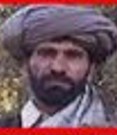
Known for procuring IEDs and transporting them to Afghanistan, Darim Sedgai had a $50,000 bounty from the previous year’s US wanted list21. The move was quieter than a drone strike and relatively untraceable. No known information has been gathered on his killers, but an official press release from CJTF-82 may indicate American involvement in the assassination. If such an incursion did occur, it was of great risk to American forces and regional political stability. The Taliban refuted the American claim of a Sedgai demise, and a Guantanamo assessment file referred to him maybe returning to Afghanistan22, but the Pakistani Haqqani lieutenant appears to have never actually resurfaced, giving credence to the coalition release on his death23. There was precedence for a wary public response to the CJTF-82 claim, as the task force inaccurately proclaimed the killing of senior most Haqqani paramilitary deputy Mullah Sangeen in an operation just a month earlier on December 11, 200724. The US military were vague with specifics and the report was proven false. American officers arrogantly suggested Haqqani internal strife and mistrust was responsible for the non-existent success25.
Wanted senior militants maintained a presence in Pakistani cities as well, albeit a slight one. With that being said, early January saw the apprehension of Dr. Amin al-Haq by Pakistani authorities in the city of Lahore26. Amin al-Haq was previously assessed as wounded and fleeing to Kurram agency in the FATA, after a coalition offensive in Tora Bora, Nangarhar27, but from there apparently made his way to the Punjabi capital. A former security coordinator for bin Laden, and Nangarhar province native, he gained fame for protecting bin Laden at Tora Bora, but did not follow his emir into hiding28. Despite the arrest of a separate Lahore based militant cell under the command of a retired Pakistani major named Ahsan al-Haq on January 829, there should be no confusion in names as the actual Dr. Amin al-Haq was confirmed actually confined in the city during this time30.
Deeper into Afghanistan there were additional attempts on the fugitives. For example, from January 11 to 12, US forces tracked Qari Baryal, another inhabitant of the twelve most wanted, to a compound in Tagab district, Kapisa province, in which Taliban and HiG (Hezb I Islami – Gulbudding) forces were staging a conference31. To ensure Qari Baryal’s demise, two US F-15s were deployed, dropping six GBU-38 bombs on the compound, and conducting five strafing runs against survivors32. Nonetheless, Qari Baryal escaped. Victory in terms of the most prominent elimination to date, of one of the wanted insurgents was achieved within the month.
January Strike
By the end of January, the true drone campaign commenced. The first strike was brilliantly executed, with immediate and tangible results. The Americans were prepared to advance their willingness to eliminate terror targets, by removing any hindrances in the forms of warnings from sympathetic Pakistanis, and as such, conducted their first drone strike without explicitly warning the Musharraf government prior33. Essentially, the event was designed as a template for future drone operations.
Tribal elements paid by the CIA surreptitiously observed and reported upon the maneuvering of seven al-Qaida belligerents in a convoy through Mir Ali, North Waziristan, including a suspected high value target. The information on the convoy resulted in CIA surveillance until it arrived at a domicile associated with a known TTP supporter. Inside the single room structure, the seven arrivals joined six awaiting militants34. Soon an MQ-1B Predator was airborne, with its lethal arsenal of Hellfire projectiles aimed to truncate the careers of the al-Qaida senior. Two of the missiles decimated the home-turned militant refuge within the village of Khushali Tori Khel, in vicinity of Mir Ali, during the darkest hours of January 29, 200835. Twelve were killed in this, the true opening salvo in American’s drone war against al-Qaida and their Allied Movements36. Not since Muhsin Musa Matwalli Atwah’s death in the first half of 2006 had an al-Qaida official been slain in such an unsavory manner. Not falling in battle or sacrificing himself, but unsuspecting in a haven, targeted by unseen drone assassins above in the night. As TTP forces encircled the blast site, a house owned by a local driver named Abdulsattar37, speculation arose as to who might be inside. Pakistani media postulated the predominant choices being paramilitary stalwart Abu Laith al-Libi or Abu Ubaidah al-Masri, the former commander of Kunar, turned External Operations chieftain38.
The al-Fajr information center provided necessary clarification and informed the world of the demise of Abu Laith al-Libi39 (the alias of Ali Ammar Ashur al-Ruqayi). The newly appointed al-Qaida official overseeing Libya40, and simultaneous commander of the contingent of al-Qaida paramilitary forces in Afghanistan, was often a face and voice in their as-Sahab press releases. Suddenly, startlingly, and almost anticlimactically he was eliminated. His death could not be understated due to his role in the organization, having worked for al-Qaida ambitions and goals, even swearing a partial oath himself, years prior to officially joining his Libyan Islamic Fighting Group to the network in November 2007. He was far more than just a name on the US military’s 12 most wanted list in Afghanistan, but a constant component of the al-Qaida paramilitary machine and Afghan insurgency infrastructure.
Abu Laith claimed two months prior that he was subject to a vivid dream in which he encountered his deceased close friend, the militant Abdulsalam al-Turkistani41. Abu Laith was concerned and inquired at his presence, to which his friend responded that he was in paradise, and that Abu Laith would soon join him therein42. According to associates, Abu Laith again dreamed just before his death, this time of receiving finalized orders from bin Laden43. While these stories were utilized in jihadist propaganda to romanticize the death of a notorious commander, in reality, Abu Laith perished not in glory, but unexpectedly, unaware, and unprepared, in a gruesome sudden explosion.
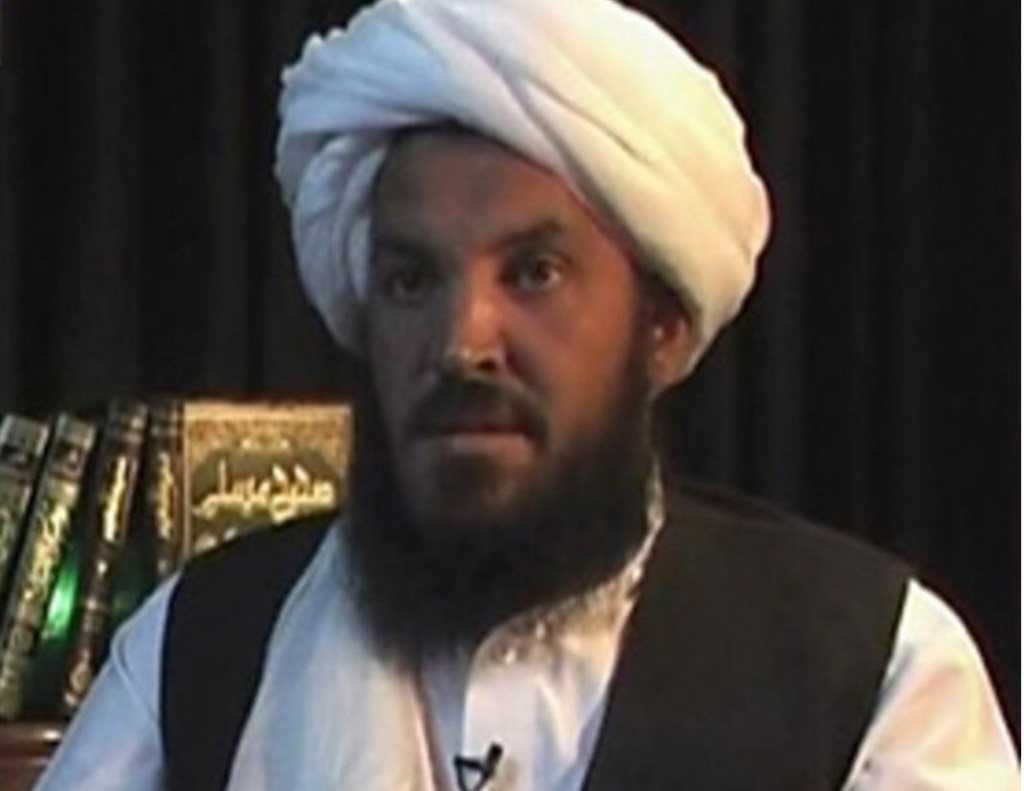
Ayman al-Zawahiri and Sheikh Said al-Masri collectively confirmed that Abu Laith was joined in death by one of three his primary Libyan lieutenants, Abu Sahl al-Libi44. He was a renown peer and confidant of Abu Laith, who had previously traveled to Iraq and returned during the timeframe of the war45. Prior to the US invasion in Afghanistan, Abu Sahl operated primarily in Helmand province46. Initially it was difficult to determine who else perished with Abu Laith, but internal al-Qaida documentation from Zawahiri referred to ten others including Arabs, Tajiks, and Turkistanis47. Sheikh Said clarified the non-Arabs, of which there appear to have been five, as a Turk, three Tajiks, and a single Afghan48. The additional Arabs he identified as Abu Salamah al-Libi and new generation militants Abu Ubaidah al-Kuwaiti, Abu Khawla al-Najdi, Abu Sulaiman al-Suri, and Abu Abbas al-Jazira49. The demise Abu Ubaidah al-Kuwaiti, whose real name was Tawari Rakhis al-Mutairi, was corroborated by witnesses and Arab news organizations50. Scholars and witnesses also confirmed Abu Sulaiman al-Suri, a marksman and veteran of fighting in Palestine and the Levant until 200551.
Additional news sources at the time listed Abdulghafar al-Darnawi and Abu Adel al-Kuwaiti as among the dead52. The discrepancies may be simple misreporting. They may also be resolved by the fact that Darnawi is a Libyan moniker and Abu Adel al-Kuwaiti was said to be born in Saudi Arabia, yet raised in Kuwait53, which could explain an individual with both Saudi and Kuwaiti aliases. A further option emerges as Sheikh Said reported an Abu Abbas al-Jazira among the deceased, thus it must be noted that the al-Jazira title refers to the entire Arabian Peninsula. Darnawi meanwhile, was described as a more senior Libyan, and thus could have been Abu Salamah (who apparently yearned to fight instead against the Libyan regime54), or even Abu Sahl. For example, Abu Laith was reportedly joined by Darnawi during a recent conference with Baitfullah Mahsud, in the wake of the Benazir Bhutto assassination55. This indicated a senior Libyan, and Sheikh Said referred to both Abu Sahl and Abu Salamah as if bin Laden retained familiarity with each56.
Almost immediately untruths were broadcast that perhaps American Adam Gadahn perished in the strike along with another of Abu Laith’s fighters with the name Abu Hamza al-Somali, who mysteriously was reported as either Australian or American57. The reporting of his kunya was a blunder, as the fighter being referenced was actually an Australian named Mathew Stewart, referred to as Abu Hamza al-Australi58. Neither of these rumors proved to be true. Stewart continued to act as a combatant in the region. Reports soon emerged that Gadahn was active and alive in the FATA, working alongside Taliban forces59.
There was however, a fortunate sole survivor as Atiyah Abdulrahman’s fifteen year old Libyan son Ibrahim60 avoided death in the strike despite slight injuries, as confirmed by Sheikh Said61. A European jihadist, the Swiss militant Moez Garsallaoui, claimed survival as well, but may have simply departed the compound well before the strike62. After the carnage, an independent Saudi militant captain, Abu Dhabbah al-Taifi, known to al-Qaida in the region, dispatched one of his men to photograph the remains of Abu Laith’s residence, followed by distribution of the happenings to jihadist online forums63. An internal al-Qaida debate had already ensued as to whether or not to publish the information, before Abu Dhabbah prematurely did so64. This was indicative of al-Qaida being irresolute on how to approach the martyrdom of leadership in drone operations. Especially in the case of the loss of a captain with the stature of Abu Laith.
Sheikh Said conveyed to bin Laden a decision to appoint Khalid Habib (Shawqi Marzuq Abdulalim Dabbas) as paramilitary commander once again, with Abdullah Said al-Libi as his deputy65. This implication strongly indicated that Abu Laith assumed control over hostilities at least the year prior. The succession solution came with a finite timeline, as Abdullah Said, a surviving lieutenant of Abu Laith, was expected to take command after a period of instruction and observation66.
Funeral rituals were observed by numerous distraught comrades, specifically Bagram escapees Abu Yahya al-Libi and Abu Abdullah al-Shami, inconsolably mourning their lost commander67. Abu Yahya vowed to never divert from the direction provided by Abu Laith, and to extract vengeance on any espionage network responsible for revealing his location to the Americans. Libyan Atiyah Abdulrahman declared that the assassination of Abu Laith devastated him in the same manner as the loss of Abu Hafs al-Masri (Mohamed Atef) in 200168. Khalid Habib was now cleared to acquire control over all aspects of al-Qaida military affairs, although there is no way that he could have been prepared for the impending barrage of drone launched missiles. January had ended with calamity for al-Qaida, signaling the newest stage in the six year old war.
The February Strike
With the success of the Abu Laith assassination in mind, the CIA launched a second drone strike of the year, this time against a domicile in Kalusha, Azam Warzak, South Waziristan, at 0200 on 28 February69. In what was described by American intelligence as a collection of al-Qaida recruits in training70, approximately ten people were reported killed when missiles decimated the location71. The home was the property of another of Mullah Nazir’s supporters, and his tenants were foreign elements72. Four Arabs, two Turkmen, and two Punjabis were reported as among the deceased73, yet the primary target was described as a senior Egyptian in the ranks of al-Qaida74.
Several candidates of who the Egyptian was can be speculated. Among the remaining Egyptian cadre from the earliest days of the insurgency included Internal Operations manager Sheikh Said al-Masri, renewed paramilitary commander Khalid Habib, external operations chieftain Abu Ubaidah al-Masri, weapons depot manager Sheikh Amir al-Fateh, and Midhat Mursi (Abu Khabbab al-Masri), who was known to be operating and producing explosives in South Waziristan. Abu Ubaidah would be particularly sought after, with a string of accomplished operations or concerning plots to his name, most recently the assassination of Benazir Bhutto. However, reporting at the time identified those that died as having been involved with an individual named “Abu Hamza75,” indicating that perhaps Abu Hamza al-Jawfi had been the intended recipient of the strike. No ranking Egyptians were ever confirmed as among the casualties.
Regardless, al-Qaida members and allies were indeed in the house, as it was later revealed that German al-Qaida operative Bekkay Harrach (Abu Talha al-Almani) had survived the strike76. As a young foreigner, he was of value as a target, and the Americans claimed the compound contained multiple foreign students of jihad. With the closeness of Harrach to Abu Ubaidah, it is possible that the Americans thought they were targeting the external operations Egyptian77.
External Confusion
The idea of Abu Ubaidah al-Masri being martyred or targeted in a drone strike was romantic, in that he was responsible for plotting against Western targets, specifically, the 2005 London transit bombings and the foiled 2006 trans-Atlantic operation. In fact, intelligence officials became certain around the beginning of April that Abu Ubaidah did die sometime in early 200878, lending credence to the idea that he was the wanted Egyptian in Azam Warzak and that he did actually perish. However, the reality of his demise was much less impressive. As thousands of Egyptian youths suffered from Hepatitis C due to contaminated vaccines administered in 1950s-60s, Abu Ubaidah seems to have developed through his jihadist career with the infliction79. Living in the harsh terrain of tribal Pakistan, under constant threat of capture and death, would have deteriorated the Egyptian’s health. The prognosis for Abu Ubaidah was not positive and he died in early 2008, thus his death did occur when it was suspected but not in the drone strike of 28 February. Intelligence officials noted chatter among militants noting Abu Ubaidah’s demise to the disease80. While important, he was not a jihadist celebrity such as Abu Laith, and due to dying in such a trivial manner as succumbing to a disease, did not receive a proper As-Sahab eulogy or statement. Yet the Egyptian dying in such a menial way denied justice to the victims of the London bombing. His two missing fingers provided evidence that he had consistently worked with explosives, yet that was not the danger the lurked over his shoulder81. Appointed simultaneously to the role of chief of Pakistani operations, he was well suited as he was believed to have involvement with the 1995 Egyptian Embassy bombing in Islamabad82. The veteran of fighting in Afghanistan, Bosnia, Chechnya, Abu Ubaidah held the interior Bagram front line for the al-Qaida Brigade 55 during the invasion in 2001, before assuming command of paramilitary operations in the precarious Kunar province83. The Egyptian safely navigated the battlefield only to die of a disease he most likely carried all of his life84.
Bin Laden’s son in law Abdullah al-Halabi confirmed the circumstance in a missive to his emir, reacting in dismay and grief over the loss of Abu Ubaidah, whom he announced as a “brave warrior,” and “guiding father” to the militants85 Despite falling to an ailment, Halabi referred to Abu Ubaidah’s “martyrdom” in the letter, perhaps to romanticize the incident86. Halabi described how letters from bin Laden’s household indicating his children’s acceptance and assimilation into their extended family, were received with joy; especially considering how the letters arrived at the same time as Abu Ubaidah’s death, a time when Halabi was in need of the uplifting87. Damned, either by Hellfire missiles or by malady, these al-Qaida captains were felled.
Al-Qaida was quick to replace Abu Ubaidah as External Operations chief, but not with one of his fellow Egyptians as one might expect given the succession of Hamza Rabia to Abu Ubaidah, and the fact that Muhsin Musa Matwali Atwah and Midhat Mursi had controlled explosives in the FATA used for attacks on coalition forces. With Midhat Mursi being the only one of the preferred Egyptian quartet left standing, al-Qaida experts opined that he or another senior Egyptian such as Hamza al-Jawfi could fill the void88. Yet Mursi had never officially sworn allegiance to bin Laden and al-Qaida, and was often viewed as a mercenary, albeit a necessary and respected one89. Hamza al-Jawfi meanwhile, was intricately linked to al-Qaida, but also problematic with his disrespect towards bin Laden’s heralds and appointed lieutenants90.
Yet the actual answer may have come from the Algerian militant Abu Sulaiman al-Jazairi, who according to some reports, either assumed command of external operations after Abu Ubaidah’s death, or was poised to do so91. Necessitated by the attrition of battle and drone strikes, Sheikh Said al-Masri was compelled to rely upon trustworthy lower ranked officials, such as the Algerian trainer, to ascend into the positions of the fallen. Atiyah viewed the drone strikes as a mere tribulation that would build resolve and not as an existential crisis resulting in the attrition of the very al-Qaida officials he claimed were pertinent for organizational survival92. Given this, they probably were not immediately worried about the condition of the external staff. Mainly, because they retained trusted and adequate underlings to whoever would assume the position. Particularly, Abu Ubaidah’s trusted staffers included the Austrian Abu Zubair and the Pakistani Rashid Rauf, recently escaped from prison. With these two potentially cooperating with yet another advanced explosives producer, Sheikh Said could be content knowing that external operations being properly maintained.
However, internal al-Qaida documents from the time tell a slightly different story. A letter dated March 6, 2008 revealed that Abdulrazzaq Abdi Saleh, a senior official primarily known as Abu Saleh al-Somali93, was deliberated upon to assume command of these operations. Writing under the pseudonym Abdulhafiz al-Muhajir, Abu Saleh was hesitant, demurring, and outright admitted that he did not entirely comprehend the requirements94 – [A]. He had however, previously labored under both Hamza Rabia and Abu Ubaidah, and thus offered his sincere strategic opinions based on his experiences, and his conferences with peers and superiors95.
This could explain the confusion in external operations leadership at the time. Of course, there are only limited sources that declared Abu Sulaiman al-Jazairi as the external chief, while others described him as a trainer, plotter of western attacks, and explosives expert96. Perhaps there were multiple options, and with Abu Sulaiman separated in Bajaur from the rest of the external staff in North Waziristan, Abu Saleh al-Somali became the necessary ascendant.
Abu Ubaidah al-Masri was also named the operations chieftain for Pakistan. By the end of 2007 Abu Ubaidah was already ill and complained of the arduous burden of focusing on two senior occupations, suggesting instead that a specific Pakistani al-Qaida branch be established97. The ailment and demise obviously necessitated a new commander for Pakistan, and while a nascent branch failed to materialize, Osama al-Kini (Fahd Mohamed Ali Musalam) was given the helm for tasks and operations in the nation. From late 2007 onward Musalam and his comrade Sheikh Ahmed Salim Swedan together led a procession of suicide attacks against Pakistani interests98.
The Councilors
Zawahiri and Sheikh Said each delivered responses (in March and April respectively) to a bin Laden letter dated February 23, in which they addressed myriad issues, including the demise of Abu Laith99. Chief among them also: Iraq. Bin Laden remained insistent on deploying appropriate representatives to observe, advise, and correct the situation therein. Particularly he desired a an approved Shura council for Abu Hamza al-Muhajir. Neither senior lieutenant was keen on the possibility occurring soon. By April, Sheikh Said reported a gap in communications with their contingent in Iraq spanning four months100. Furthermore, the designated officials sent to transplant to Iraq had both failed. Remarkably, Ayman al-Zawahiri was able to conduct a conference on these various problems, speaking with Sheikh Said, Khalid Habib, and the recently returned Atiyah Abdulrahman101 – [B].
Atiyah Abdulrahman remained with the Kurds for a mere three months, and as his last communication from Iran was delivered in May 2007102, he was at least back in the FATA by mid year. Patience waned for the Libyan, and the traffickers were unable to facilitate the completion of his Iraqi sojourn, citing the complications arising from the capture of Abdulhadi al-Iraqi103. Sheikh Said feared for Atiyah due to unreliable routes to and the treacherous conditions within Iraq104. Abu Jihad al-Masri meanwhile, was obstinate, declaring he would continue via any means, and after declining suggestions to abort and return, was eventually coerced by the circumstances into doing so105. Sheikh Said attempted to dissuade bin Laden from the idea of dispatching Abu Sulaiman al-Otaibi, the former Islamic State of Iraq religious judge, back from whence he came, primarily due to issues of mistrust and deteriorated relationships106.
Of note, during the same spring months, Atiyah began to report directly to bin Laden via letters as well. He noted the increase in foreign element arrivals, and the need to evolve the al-Qaida echelons into a robust leadership infrastructure in order to properly manage the new prospects and the growing tensions with Pakistan107. Furthermore, he reported to bin Laden as a conduit to the franchises and their respective situations in Iraq, Yemen, and Algeria108.
Abu Jihad returned to the FATA and his family, which included his militant sons-in-law, the Saudi Saleh al-Qarawi (Najm al-Khayr) and Abu Hassan al-Rimi, the Yemeni commander of the al-Faruq Battalion in Kunar109. Therefore fully closing the door on the Iraqi experiment.
Haqqani Reciprocation
For Najimuddin Jalolov and the Islamic Jihad Union, the loss of their former partner Abu Laith was distressing. While distraught, the militant was still able to coordinate a response. To deliver this excessive vengeance, Jalolov drew from his pool of Europeans, this time a Turkish-German named Cenuyt Ciftci.
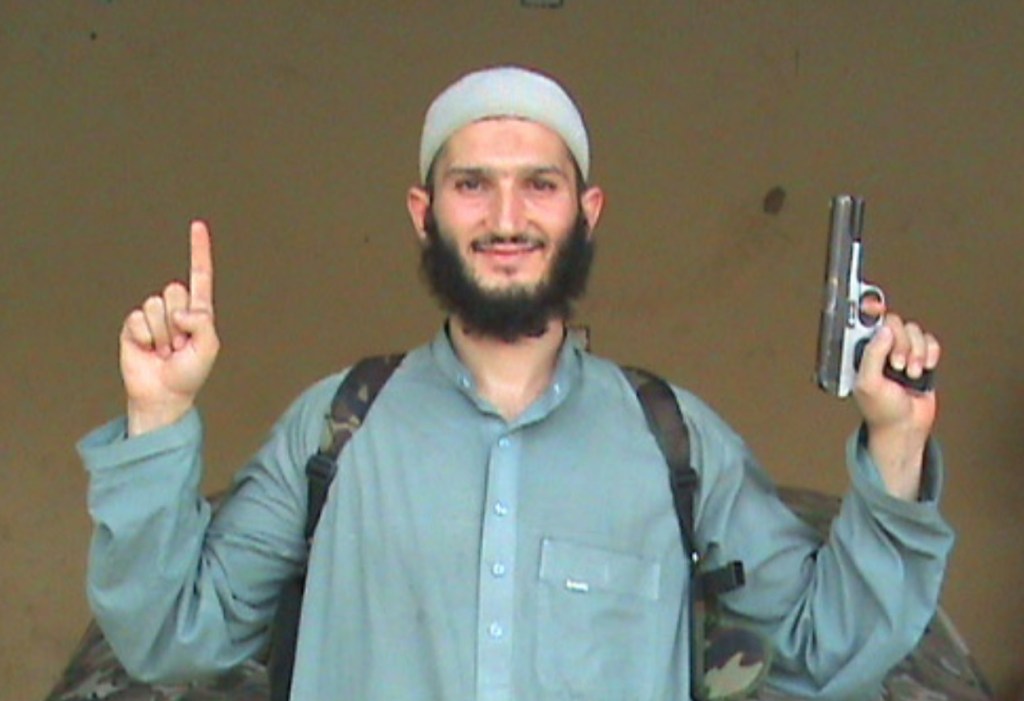
Ciftci filmed his martyrdom video for the IJU, declaring his sincerity and willingness to die for his god110. It was Ciftci alone who drove a Toyota van to the gate of the Sabari NATO outpost in Khost on March 3, 2008, yet his comrades video taped the resulting carnage111. The gargantuan blast enveloped a large radius, reducing compounds to shattered debris, and killing and maiming those within. In addition to civilians, the targeted US forces took casualties in the deaths of SPC Steven R. Koch and SGT Robert T. Rapp of the Fort Bragg, NC based 82nd Airborne Division112. Their killer, Ciftci from Germany, born to Turkish immigrants in 1979 in Bavaria, near Munich113. Despite a religiously inclined father, who held staunch Islamist beliefs, Ciftci was not raised to be radical, but rather to be a devout adherent114. He was even sent back to his ancestral homeland of Turkey for three years, beginning at age twelve, in order to study his religion. Upon return, Ciftci carried the title Hafiz, for having memorized the Quran115. Yet his Bavarian community, complete with Turkish mosques and a strong Turkish immigrant community, seemed not to appeal to the young man. He began to shift his focus away from religion. He worked a variety of menial jobs before finding a fitting, albeit normal occupation. He even attempted to gain his citizenship but eventually withdrew the application due to the lengthy process and questions of his loyalty to the nation116. Ciftci did not emanate an aura of jihadist leanings and thought. Instead he blended in to Western society, even marrying a Turkish woman against his strict father’s will, who was seemingly too adapted to European society117. Yet between 2001 and 2005 something transformed Ciftci and before long he was preaching in a mosque in his hometown, known for its radical viewpoints. But these were just viewpoints, not actions. Ciftci however, encouraged actions, preaching that Americans should be killed in Iraq118. For this he was banned from preaching, but appears to have found a better outlet for his ire. Ciftci was apparently radicalized by other Bavarian based extremist thinkers, including another German-Turk, Adem Yilmaz of the previously foiled Sauerland plot119. Knowing that he would be under German surveillance, Ciftci and his family migrated to Pakistan in April 2007120. Shortly thereafter he was in the capable hands of Jalolov, who knew how to sculpt his malleable new recruit into a suicide operative.
Within three days of the Sabari bombing, Jalolov and the IJU claimed responsibility for the bombing, naming Ciftci publicly, decrying the US, and maintaining that the mission was in response to the death of Abu Laith121. While the claim contained excessive exaggeration in terms of the number of Americans and Afghan soldiers killed, it did provide direct evidence that the IJU coordinated with Taliban elements to conduct the operation. Specifically it was with the Haqqani Network, as the American military announced that Sirajuddin Haqqani and his men had claimed credit for the incident to reporters122. Later in another video, the terrorist outfit described and praised the attack, directly attributing it to and displaying Jalaluddin Haqqani with a current statement, offering both proof of the elder Haqqani’s health and his culpability in the incident123.
Now the FBI, the CIA, and the DoD could definitively link Najimuddin Jalolov and Siraj Haqqani to two American deaths. Of concern as well, was Jalolov’s continued usage of European operatives. As a strategic maneuver, the Haqqanis were sheltering, fostering, nurturing, and then employing these relatively obscure militants, such as the IJU, in order to benefit the overall Taliban movement and insurgency in Afghanistan. The Sabari attack was but one of many that displayed intimate coordination between the Haqqanis and others (such as al-Qaida or the central Asian outfits), carried out in the name of the Taliban.
March Strikes
Within a fortnight, the Americans launched a retaliation on a meeting of Haqqani Network officials in a compound in Lwara Mundi, North Waziristan, a mere kilometer and a half inside the Pakistani border from Afghanistan124. What made this strike remarkable, was that the Americans made no concessions to Pakistan for the attack, nor did they attempt to obfuscate the details of the happening. The March 12 strike utilized helicopters, fixed-wing aircraft, drones and other means to obliterate the compound, where it was believed that Sirajuddin Haqqani would be in attendance125. The Americans contested that no civilians were killed, while the Pakistanis objected, angrily reporting two women and two children among the dead126. American authorities asserted the dead included Haqqani jihadists and Chechen fighters127. However, Sirajuddin was not among those killed. Yet, the Americans sent an important message in their first direct attack on Haqqani infrastructure. Coalition soldiers were being targeted from just across the border and had been for years, leading to this type of action. A direct response to the Sabari bombing, the Bush Administration would not be hindered by militants operating from the Pakistani side of the border. Yet this type of attack could not be maintained, leading to the realization that the drone strikes may be the answer to degrading militant capabilities across the border in tribal Pakistan.
A second major March attempt against Pakistani based militants occurred on March 16, when drones fired upon and destroyed a training facility in Dhuk Pir Bagh, a village in close proximity to Wana, South Waziristan128. The locale was in the traditional territory of Mullah Nazir129, displaying deep interoperability remained even as the drone campaign increased. American intelligence specifically acknowledged an al-Qaida aligned training complex and recruits were again targeted130. FATA administrators revealed 18 foreign element militants were killed in the strike131; this including a known al-Qaida functionary named Dr. Arshad Waheed132.
Arshad and his brother Akmal were both medical professionals, linked to the Islamist outfit Jamaat i Islami (JI), and its medical faction, the Pakistani Islamic Medical Association, utilizing their positions to influence and advocate jihadist causes133. The brothers, in the early 2000s, used their status and expertise to assist al-Qaida militants crossing the border from Afghanistan, in addition to local Pakistani militants134. Arshad initially based himself in Kandahar in order to directly aid in the resistance to the American invasion135. They were involved with the Jundallah group of militant Attaur Rehman, and as such were arrested in July 2004 for providing the group and other militants material support, amidst a pummeling of this network due to a foiled assassination attempt on a military officer in Karachi136. It was Attaur Rahman that gave information to Pakistani authorities that the brothers were providing medical services to Pakistani jihadists as well as senior al-Qaida officials137. For example, they were accused of assisting Abu Musab al-Baluchi, the nephew of Khalid Sheikh Mohamed138. In 2004, Akmal’s assistant was dispatched with recruits to South Waziristan in order to receive training from the brother of Nek Mohamed Wazir139. Despite these accusations, the brothers were acquitted of all charges in 2006, at which point Arshad traveled to Wana and set up a medical practice140. However, Dr. Arshad Waheed, the neurosurgeon native of Karachi141, was destined to be another victim of the drones – [C].
He was publicly mourned by Sheikh Said al-Masri, who named him as Sheikh Moaz, in an as-Sahab video, the third of the series “The Protectors of the Sanctuary142.” The release proved both the doctor’s significance to the militant network and the veracity of the targeted militant compound in which he perished. In the video, he is displayed teaching and providing medical knowledge to al-Qaida fighters and recruits, even going as far as being pictured in the field with them143. Arshad may not have been the target of the strike, but he was a casualty, with the narration lamenting the fact that his body was not found to be intact144. The brothers Waheed exemplified the changing dynamic of al-Qaida fighters, as Pakistanis were assuming more logistics and support roles out of necessity.
CITATIONS and SUBSTANTIVE NOTES:
- [A] Testimony from at least one al-Qaida cooperating witness confirmed that Abu Saleh also went by Abdulhafiz 145
- [B] Zawahiri reported a meeting with “Atiyah,” “Habib,” and “Sultan;” with Hafiz Sultan being another known alias for Sheikh Said146. Undoubtedly, this consisted of the core of the early 2008 Majlis ash-Shura.
- [C] Dr Akmal Waheed meanwhile, was eventually arrested in the UAE in 2011 for communications with al-Qaida, and sentenced to three years imprisonment, before being deported home in 2012.
- Senate Select Committee on Intelligence, Committee Study of the CIA’s Detention and Interrogation Program, Executive Summary, December 13, 2012 ↩︎
- Abu al-Laith al-Libi, by Kevin Jackson, CTC Jihadi Bios Project, https://ctc.westpoint.edu/wp-content/uploads/2015/02/CTC_Abu-al-Layth-al-Libi-Jihadi-Bio-February2015-1.pdf ↩︎
- Abu al-Laith al-Libi, by Kevin Jackson, CTC Jihadi Bios Project, https://ctc.westpoint.edu/wp-content/uploads/2015/02/CTC_Abu-al-Layth-al-Libi-Jihadi-Bio-February2015-1.pdf ↩︎
- Designation of Haqqani Network Chief of Suicide Operations Qari Zakir, Office of the Spokesperson, US Department of State Press Release, November 5, 2012, https://2009-2017.state.gov/r/pa/prs/ps/2012/11/200165.htm ↩︎
- Designation of Haqqani Network Chief of Suicide Operations Qari Zakir, Office of the Spokesperson, US Department of State Press Release, November 5, 2012, https://2009-2017.state.gov/r/pa/prs/ps/2012/11/200165.htm ↩︎
- Designation of Haqqani Network Chief of Suicide Operations Qari Zakir, Office of the Spokesperson, US Department of State Press Release, November 5, 2012, https://2009-2017.state.gov/r/pa/prs/ps/2012/11/200165.htm ↩︎
- Designation of Haqqani Network Chief of Suicide Operations Qari Zakir, Office of the Spokesperson, US Department of State Press Release, November 5, 2012, https://2009-2017.state.gov/r/pa/prs/ps/2012/11/200165.htm ↩︎
- Afghanistan: Taleban Attack Hotel to Drive Foreigners Out, by Wahidullah Amani, Institute for War and Peace Reporting, January 15, 2008, https://reliefweb.int/report/afghanistan/afghanistan-taleban-attack-hotel-drive-foreigners-out ↩︎
- Afghanistan: Taleban Attack Hotel to Drive Foreigners Out, by Wahidullah Amani, Institute for War and Peace Reporting, January 15, 2008, https://reliefweb.int/report/afghanistan/afghanistan-taleban-attack-hotel-drive-foreigners-out ↩︎
- Afghanistan: Taleban Attack Hotel to Drive Foreigners Out, by Wahidullah Amani, Institute for War and Peace Reporting, January 15, 2008, https://reliefweb.int/report/afghanistan/afghanistan-taleban-attack-hotel-drive-foreigners-out ↩︎
- Afghanistan: Taleban Attack Hotel to Drive Foreigners Out, by Wahidullah Amani, Institute for War and Peace Reporting, January 15, 2008, https://reliefweb.int/report/afghanistan/afghanistan-taleban-attack-hotel-drive-foreigners-out ↩︎
- Afghanistan: Taleban Attack Hotel to Drive Foreigners Out, by Wahidullah Amani, Institute for War and Peace Reporting, January 15, 2008, https://reliefweb.int/report/afghanistan/afghanistan-taleban-attack-hotel-drive-foreigners-out // Tribal leaders’ family suspected over Kabul hotel attack, The Guardian, January 15, 2008, https://www.theguardian.com/world/2008/jan/15/afghanistan ↩︎
- Afghanistan: Taleban Attack Hotel to Drive Foreigners Out, by Wahidullah Amani, Institute for War and Peace Reporting, January 15, 2008, https://reliefweb.int/report/afghanistan/afghanistan-taleban-attack-hotel-drive-foreigners-out ↩︎
- Tribal leaders’ family suspected over Kabul hotel attack, The Guardian, January 15, 2008, https://www.theguardian.com/world/2008/jan/15/afghanistan // American killed in Afghanistan a ‘passionate believer’, by Elise Labott, CNN News, January 16, 2008, https://www.cnn.com/2008/US/01/16/kabul.hesla/ // 6 Dead In Afghan Luxury Hotel Attack, CBS News via The Associated Press, January 14, 2008, https://www.cbsnews.com/news/6-dead-in-afghan-luxury-hotel-attack/ ↩︎
- American killed in Afghanistan a ‘passionate believer’, by Elise Labott, CNN News, January 16, 2008, https://www.cnn.com/2008/US/01/16/kabul.hesla/ ↩︎
- 6 Dead In Afghan Luxury Hotel Attack, CBS News via The Associated Press, January 14, 2008, https://www.cbsnews.com/news/6-dead-in-afghan-luxury-hotel-attack/ ↩︎
- Tribal leaders’ family suspected over Kabul hotel attack, The Guardian, January 15, 2008, https://www.theguardian.com/world/2008/jan/15/afghanistan ↩︎
- Afghanistan: Taleban Attack Hotel to Drive Foreigners Out, by Wahidullah Amani, Institute for War and Peace Reporting, January 15, 2008, https://reliefweb.int/report/afghanistan/afghanistan-taleban-attack-hotel-drive-foreigners-out ↩︎
- Afghanistan: Taleban Attack Hotel to Drive Foreigners Out, by Wahidullah Amani, Institute for War and Peace Reporting, January 15, 2008, https://reliefweb.int/report/afghanistan/afghanistan-taleban-attack-hotel-drive-foreigners-out ↩︎
- Senior Leader of Haqqani Network Killed in Pakistan, by Bill Roggio, January 26, 2008, https://www.longwarjournal.org/archives/2008/01/senior_leader_of_haq_1.php ↩︎
- U.S. Issues ‘Most-Wanted’ List Of Taliban, Al-Qaida Leaders, The Associated Press, October 1, 2007, https://www.newson6.com/story/5e367b8e2f69d76f6208e45f/us-issues-mostwanted-list-of-taliban-alqaida-leaders // The Haqqani Network and Cross-Border Terrorism in Afghanistan, by Imtiaz Ali, The Jamestown Foundation Terrorism Monitor, Volume 6, Issue 6, March 24, 2008, https://jamestown.org/the-haqqani-network-and-cross-border-terrorism-in-afghanistan/ ↩︎
- Guantanamo Assessment File, Mohamed Nabi Omari, ISN 832, https://wikileaks.org/gitmo/prisoner/832.html ↩︎
- Loya Paktia’s Insurgency: The Haqqani Network as an Autonomous Entity, by Thomas Ruttig, from Decoding the New Taliban. Insights from the Afghan Field, Antonio Guistozzi, Columbia: Hurst, 2009 ↩︎
- Siraj Haqqani’s deputy killed in Afghanistan, by Bill Roggio, The Long War Journal, December 14, 2007, https://www.longwarjournal.org/archives/2007/12/siraj_haqqanis_deput.php ↩︎
- CJTF-82 confirms Mullah Sangeen’s death, DVIDS, December 13, 2007, https://www.dvidshub.net/news/14682/cjtf-82-confirms-mullah-sangeens-death ↩︎
- Report: Osama bin Laden’s security coordinator captured in Pakistan, by Bill Roggio, The Long War Journal, January 6, 2008, https://www.longwarjournal.org/archives/2008/01/report_osama_bin_lad.php ↩︎
- Afghanistan: Return to the lair of bin Laden, by Tom Coghlan, The Telegraph, August 24, 2007, https://www.telegraph.co.uk/news/worldnews/1561227/Afghanistan-Return-to-the-lair-of-bin-Laden.html // The Eastern Afghanistan Offensive, by Bill Roggio, The Long War Journal, August 24, 2007, https://www.longwarjournal.org/archives/2007/08/the_eastern_afghanis.php ↩︎
- United Nations Security Council Sanctions, Resolution 1267, Amin Mohamed al-Haq Saam Khan, listed on January 25, 2001, https://main.un.org/securitycouncil/en/sanctions/1267/aq_sanctions_list/summaries/individual/amin-muhammad-ul-haq-saam-khan // Treasury Department Releases List of 39 Additional Specially Designated Global Terrorists, US Department of the Treasury Press Release, October 12, 2001, https://home.treasury.gov/news/press-releases/po689 // Laden paid $ 15 m to buy freedom, by Rajeev Sharma, The Tribune India, November 7, 2002, https://www.tribuneindia.com/2002/20021108/main5.htm ↩︎
- Suicide bomb “mastermind” arrested in Pakistan, Reuters, January 8, 2008, https://www.reuters.com/article/latestCrisis/idUSISL112538/ ↩︎
- Pakistan frees bin Laden bodyguard, NBC News, September 28, 2011, https://www.nbcnews.com/id/wbna44704789 ↩︎
- 120430Z TF CINCINNATUS Report of Air Strike IVO Tag Ab, Kapisa, Afghan WarDiaries, Wikileaks, January 12, 2008, https://wardiaries.wikileaks.org/id/D94642A2-1772-4FB1-A002-649A11402A58/ ↩︎
- 120430Z TF CINCINNATUS Report of Air Strike IVO Tag Ab, Kapisa, Afghan WarDiaries, Wikileaks, January 12, 2008, https://wardiaries.wikileaks.org/id/D94642A2-1772-4FB1-A002-649A11402A58/ ↩︎
- U.S. strikes within Pakistan — without notice, by By Joby Warrick and Robin Wright, NBC News, February 18, 2008, https://www.nbcnews.com/id/wbna23228197 ↩︎
- Letter from Sheikh Said al-Masri to Osama bin Laden, ‘From Haji Othman to Azmarai,’ dated April 16, 2008 ↩︎
- 12 Die in Missile Attack in Pakistan, by Imtiaz Ali, The Washington Post, February 1, 2008, https://www.washingtonpost.com/wp-dyn/content/article/2008/01/29/AR2008012903173.html ↩︎
- 12 Die in Missile Attack in Pakistan, by Imtiaz Ali, The Washington Post, February 1, 2008, https://www.washingtonpost.com/wp-dyn/content/article/2008/01/29/AR2008012903173.html // KJ ↩︎
- 12 Die in Missile Attack in Pakistan, by Imtiaz Ali, The Washington Post, February 1, 2008, https://www.washingtonpost.com/wp-dyn/content/article/2008/01/29/AR2008012903173.html ↩︎
- One of Bin Laden’s top six aides is killed in suspected US strike, by Ian Black and Martin Hodgson, The Guardian, February 1, 2008, https://www.theguardian.com/world/2008/feb/01/pakistan.alqaida ↩︎
- Senior Afghanistan Qaeda leader Libi killed, by Randall Mikkelsen, Reuters, January 31, 2008, https://www.reuters.com/article/economy/senior-afghanistan-qaeda-leader-libi-killed-idUSN31339550/ ↩︎
- as-Sahab Media production, Unity in the Lines, Ayman al-Zawahiri and Abu Laith al-Libi: Libyan Islamic Fighting Group joins Al-Qaida, November 3, 2007 ↩︎
- as-Sahab Media Production, Winds of Paradise, Part 3, Eulogizing Abu Laith al-Libi, February 10, 2009 ↩︎
- as-Sahab Media Production, Winds of Paradise, Part 3, Eulogizing Abu Laith al-Libi, February 10, 2009 ↩︎
- as-Sahab Media Production, Winds of Paradise, Part 3, Eulogizing Abu Laith al-Libi, February 10, 2009 ↩︎
- Letter from Sheikh Said al-Masri to Osama bin Laden “Dear Honorable Brother, Sheikh Azmarai”, dated March 5, 2008 // Letter from Sheikh Said al-Masri to Osama bin Laden, ‘From Haji Othman to Azmarai,’ dated April 16, 2008 ↩︎
- Abu al-Laith al-Libi, by Kevin Jackson, CTC Jihadi Bios Project, https://ctc.westpoint.edu/wp-content/uploads/2015/02/CTC_Abu-al-Layth-al-Libi-Jihadi-Bio-February2015-1.pdf ↩︎
- Abu al-Laith al-Libi, by Kevin Jackson, CTC Jihadi Bios Project, https://ctc.westpoint.edu/wp-content/uploads/2015/02/CTC_Abu-al-Layth-al-Libi-Jihadi-Bio-February2015-1.pdf ↩︎
- Letter from Sheikh Said al-Masri to Osama bin Laden “Dear Honorable Brother, Sheikh Azmarai”, dated March 5, 2008 ↩︎
- Letter from Sheikh Said al-Masri to Osama bin Laden, ‘From Haji Othman to Azmarai,’ dated April 16, 2008 ↩︎
- Letter from Sheikh Said al-Masri to Osama bin Laden, ‘From Haji Othman to Azmarai,’ dated April 16, 2008 ↩︎
- Terrorism: Three al-Qaeda leaders killed in US attack, Adnkronos International, February 5, 2008, https://web.archive.org/web/20080214182214/http://www.adnkronos.com/AKI/English/Security/?id=1.0.1845929971 // Gadahn Death Rumors Continue to Surface, by Bill Roggio, The Long War Journal, March 6, 2008, https://www.longwarjournal.org/archives/2008/03/gadahn_death_rumor_c.php ↩︎
- Abu al-Laith al-Libi, by Kevin Jackson, CTC Jihadi Bios Project, https://ctc.westpoint.edu/wp-content/uploads/2015/02/CTC_Abu-al-Layth-al-Libi-Jihadi-Bio-February2015-1.pdf ↩︎
- Terrorism: Three al-Qaeda leaders killed in US attack, Adnkronos International, February 5, 2008, https://web.archive.org/web/20080214182214/http://www.adnkronos.com/AKI/English/Security/?id=1.0.1845929971 ↩︎
- Terrorism: Three al-Qaeda leaders killed in US attack, Adnkronos International, February 5, 2008, https://web.archive.org/web/20080214182214/http://www.adnkronos.com/AKI/English/Security/?id=1.0.1845929971 ↩︎
- Abu al-Laith al-Libi, by Kevin Jackson, CTC Jihadi Bios Project, https://ctc.westpoint.edu/wp-content/uploads/2015/02/CTC_Abu-al-Layth-al-Libi-Jihadi-Bio-February2015-1.pdf ↩︎
- Terrorism: Three al-Qaeda leaders killed in US attack, Adnkronos, February 5, 2008, https://web.archive.org/web/20080214182214/http://www.adnkronos.com/AKI/English/Security/?id=1.0.1845929971 ↩︎
- Letter from Sheikh Said al-Masri to Osama bin Laden, ‘From Haji Othman to Azmarai,’ dated April 16, 2008 ↩︎
- Gadahn Death Rumors Continue to Surface, by Bill Roggio, The Long War Journal, March 6, 2008, https://www.longwarjournal.org/archives/2008/03/gadahn_death_rumor_c.php ↩︎
- Mathew Stewart: Australian soldier who joined Al Qaeda in 2001 possibly resurfaces as commander in Syrian jihadist group, by Dylan Welch, October 25, 2015, Australian Broadcasting Corporation News, https://www.abc.net.au/news/2015-10-26/soldier-turned-jihadist-resurfaces-after-dropping-off-map/6886462 ↩︎
- Core Al-Qaida in 2008: A Review, by Ronald Sandee, NEFA Foundation, April 8, 2009 ↩︎
- Abu al-Laith al-Libi, by Kevin Jackson, CTC Jihadi Bios Project, https://ctc.westpoint.edu/wp-content/uploads/2015/02/CTC_Abu-al-Layth-al-Libi-Jihadi-Bio-February2015-1.pdf ↩︎
- Letter from Sheikh Said al-Masri to Osama bin Laden, ‘From Haji Othman to Azmarai,’ dated April 16, 2008 ↩︎
- Abu al-Laith al-Libi, by Kevin Jackson, CTC Jihadi Bios Project, https://ctc.westpoint.edu/wp-content/uploads/2015/02/CTC_Abu-al-Layth-al-Libi-Jihadi-Bio-February2015-1.pdf // CNN ↩︎
- Letter likely from Ayman al-Zawahiri to Osama bin Laden, ‘Dear Honorable Brother, Sheikh Azmarai’, dated March 5, 2008 ↩︎
- Letter likely from Ayman al-Zawahiri to Osama bin Laden, ‘Dear Honorable Brother, Sheikh Azmarai’, dated March 5, 2008 ↩︎
- Letter likely from Ayman al-Zawahiri to Osama bin Laden, ‘Dear Honorable Brother, Sheikh Azmarai’, dated March 5, 2008 // Letter from Sheikh Said al-Masri to Osama bin Laden, ‘From Haji Othman to Azmarai,’ dated April 16, 2008 ↩︎
- Letter from Sheikh Said al-Masri to Osama bin Laden, ‘From Haji Othman to Azmarai,’ dated April 16, 2008 ↩︎
- Abu al-Laith al-Libi, by Kevin Jackson, CTC Jihadi Bios Project, https://ctc.westpoint.edu/wp-content/uploads/2015/02/CTC_Abu-al-Layth-al-Libi-Jihadi-Bio-February2015-1.pdf ↩︎
- Letter from Atiyah Abdulrahman to Osama bin Laden, “From Atiyah to Abu Abdullah,” dated March or April 2008 ↩︎
- Six Foreigners Among 8 Killed in Waziristan: Locals Suspect Missile Strike From Across Border, Dawn, February 28, 2008, https://www.dawn.com/news/291549/six-foreigners-among-8-killed-in-waziristan-locals-suspect-missile-strike-from-across-border ↩︎
- High Value Targets Hit By Drones: US Paper, Dawn, June 2, 2009, https://www.dawn.com/news/853661/high-value-targets-hit-by-drones-us-paper ↩︎
- Six Foreigners Among 8 Killed in Waziristan: Locals Suspect Missile Strike From Across Border, Dawn, February 28, 2008, https://www.dawn.com/news/291549/six-foreigners-among-8-killed-in-waziristan-locals-suspect-missile-strike-from-across-borderv // Detail of Attacks by NATO Forces/Predators in FATA, Leaked Pakistani Government – Administration of FATA Document, The Bureau of Investigative Journalism, July 22, 2013, https://embed.documentcloud.org/documents/1010104-tbij-fata-doc-redacted1/ ↩︎
- Six Foreigners Among 8 Killed in Waziristan: Locals Suspect Missile Strike From Across Border, Dawn, February 28, 2008, https://www.dawn.com/news/291549/six-foreigners-among-8-killed-in-waziristan-locals-suspect-missile-strike-from-across-border ↩︎
- Six Foreigners Among 8 Killed in Waziristan: Locals Suspect Missile Strike From Across Border, Dawn, February 28, 2008, https://www.dawn.com/news/291549/six-foreigners-among-8-killed-in-waziristan-locals-suspect-missile-strike-from-across-border ↩︎
- Egyptian al Qaeda Leader Reported Killed in South Waziristan Airstrike, by Bill Roggio, The Long War Journal, February 29, 2008, https://www.longwarjournal.org/archives/2008/02/egyptian_al_qaeda_le.php ↩︎
- Six Foreigners Among 8 Killed in Waziristan: Locals Suspect Missile Strike From Across Border, Dawn, February 28, 2008, https://www.dawn.com/news/291549/six-foreigners-among-8-killed-in-waziristan-locals-suspect-missile-strike-from-across-border ↩︎
- A German Islamist Rises up al-Qaida’s Ranks, by Matthias Gebauer, Yassin Musharbash, Marcel Rosenbach, Holger Stark, and translated to English by Paul Cohen, Der Spiegel, January 27, 2009, https://www.spiegel.de/international/germany/the-threat-from-within-a-german-islamist-rises-up-al-qaida-s-ranks-a-603752.html ↩︎
- A German Islamist Rises up al-Qaida’s Ranks, by Matthias Gebauer, Yassin Musharbash, Marcel Rosenbach, Holger Stark, and translated to English by Paul Cohen, Der Spiegel, January 27, 2009, https://www.spiegel.de/international/germany/the-threat-from-within-a-german-islamist-rises-up-al-qaida-s-ranks-a-603752.html ↩︎
- Alleged al-Qaeda Chief Dead, Officials Say, by Sebastian Rotella, The Los Angeles Times, April 10, 2008, http://www.latimes.com/world/la-fg-masri10apr10-story.html ↩︎
- Alleged al-Qaeda Chief Dead, Officials Say, by Sebastian Rotella, The Los Angeles Times, April 10, 2008, http://www.latimes.com/world/la-fg-masri10apr10-story.html ↩︎
- Alleged al-Qaeda Chief Dead, Officials Say, by Sebastian Rotella, The Los Angeles Times, April 10, 2008, http://www.latimes.com/world/la-fg-masri10apr10-story.html ↩︎
- Alleged al-Qaeda Chief Dead, Officials Say, by Sebastian Rotella, The Los Angeles Times, April 10, 2008, http://www.latimes.com/world/la-fg-masri10apr10-story.html // Who is Abu Ubaidah al-Masri and Why Should We Care: An Obituary, by Dr. Bruce Hoffman, SITE Intelligence ↩︎
- Who Killed Benazir Bhutto, by Ziad Zafar, Dawn, December 24, 2017, https://www.dawn.com/news/1378568 ↩︎
- Alleged al-Qaeda Chief Dead, Officials Say, by Sebastian Rotella, The Los Angeles Times, April 10, 2008, http://www.latimes.com/world/la-fg-masri10apr10-story.html / Who is Abu Ubaidah al-Masri and Why Should We Care: An Obituary, by Dr. Bruce Hoffman, SITE Intelligence // Guantanamo Assessment File, Abdulrahman Abdah Abu al-Ghaith Sulaiman, ISN 223, https://wikileaks.org/gitmo/prisoner/223.html // Letter from Abu Faraj al-Libi to Osama bin Laden, dated October 18, 2004 ↩︎
- Alleged al-Qaeda Chief Dead, Officials Say, by Sebastian Rotella, The Los Angeles Times, April 10, 2008, http://www.latimes.com/world/la-fg-masri10apr10-story.html ↩︎
- Letter from Abdullah al-Halabi to Osama bin Laden, “Letter addressed to Sheikh,” dated December 15, 2008 ↩︎
- Letter from Abdullah al-Halabi to Osama bin Laden, “Letter addressed to Sheikh,” dated December 15, 2008 ↩︎
- Letter from Abdullah al-Halabi to Osama bin Laden, “Letter addressed to Sheikh,” dated December 15, 2008 ↩︎
- Al Qaeda in the Tribal Areas of Pakistan and Beyond, by Rohan Gunaratna and Anders Nielsen, Studies in Conflict & Terrorism, Volume 31, Issue 9, December 30, 2008 ↩︎
- He’s the son of Osama bin Laden’s bombmaker. Then ISIS wanted him as one of their own, by Souad Mekhennet, Greg Miller, The Washington Post, August 5, 2016, https://www.washingtonpost.com/sf/national/2016/08/05/bombmaker/ ↩︎
- Letter from Sheikh Said al-Masri to Osama bin Laden “Dear Honorable Brother, Sheikh Azmarai”, dated March 5, 2008 // Letter from Sheikh Said al-Masri to Osama bin Laden, ‘From Haji Othman to Azmarai,’ dated April 16, 2008 ↩︎
- Al-Qaeda Chief Dies in Missile Air Strike, by Jason Burke, The Guardian, May 31, 2008, https://www.theguardian.com/world/2008/jun/01/alqaida.pakistan // U.S. believes strike in Pakistan killed key terrorist, by Josh Meyer and Sebastian Rotella, The Los Angeles Times, May 24, 2008, https://www.latimes.com/archives/la-xpm-2008-may-24-fg-militant24-story.html ↩︎
- Letter from Atiyah Abdulrahman to Osama bin Laden, “From Atiyah to Abu Abdullah,” dated March or April 2008 ↩︎
- Source: Senior al-Qaida leader killed by drone, NBC News, December 11, https://www.nbcnews.com/id/wbna34383765 ↩︎
- Letter from Abu Saleh al-Somali “Abdulhafiz al-Muhajir,” A Brief Overview of the Strategy of External Operations in the Coming Period, dated March 6, 2008 ↩︎
- Letter from Abu Saleh al-Somali “Abdulhafiz al-Muhajir,” A Brief Overview of the Strategy of External Operations in the Coming Period, dated March 6, 2008 ↩︎
- U.S. believes strike in Pakistan killed key terrorist, by Josh Meyer and Sebastian Rotella, The Los Angeles Times, May 24, 2008, https://www.latimes.com/archives/la-xpm-2008-may-24-fg-militant24-story.html ↩︎
- Who Killed Benazir Bhutto, by Ziad Zafar, Dawn, December 24, 2017, https://www.dawn.com/news/1378568 ↩︎
- 2 Qaeda Leaders Killed in U.S. Strike in Pakistan, by Eric Schmitt, The New York Times, January 8, 2009, https://www.nytimes.com/2009/01/09/world/asia/09pstan.html?_r=0 // Jan. 1 Attack By CIA Killed Two Leaders Of Al-Qaeda, by Joby Warrick, The Washington Post, January 9, 2009, https://www.washingtonpost.com/wp-dyn/content/article/2009/01/08/AR2009010803110.html ↩︎
- Letter likely from Ayman al-Zawahiri to Osama bin Laden, ‘Dear Honorable Brother, Sheikh Azmarai’, dated March 5, 2008 // Letter from Sheikh Said al-Masri to Osama bin Laden, ‘From Haji Othman to Azmarai,’ dated April 16, 2008 ↩︎
- Letter from Sheikh Said al-Masri to Osama bin Laden (From Haji Othman to Azmarai), dated April 16, 2008 ↩︎
- Letter from Sheikh Said al-Masri to Osama bin Laden (From Haji Othman to Azmarai), dated April 16, 2008 ↩︎
- Letter from Sheikh Said al-Masri to Osama bin Laden, “Respected Brother, kind Shaykh, Zamrai, Sahib,” dated May 15, 2007 ↩︎
- Letter likely from Ayman al-Zawahiri to Osama bin Laden, ‘Dear Honorable Brother, Sheikh Azmarai’, dated March 5, 2008 ↩︎
- Letter from Sheikh Said al-Masri to Osama bin Laden (From Haji Othman to Azmarai), dated April 16, 2008 ↩︎
- Letter likely from Ayman al-Zawahiri to Osama bin Laden, ‘Dear Honorable Brother, Sheikh Azmarai’, dated March 5, 2008 ↩︎
- Letter from Sheikh Said al-Masri to Osama bin Laden (From Haji Othman to Azmarai), dated April 16, 2008 ↩︎
- Letter from Atiyah Abdulrahman to Osama bin Laden, “From Atiyah to Abu Abdullah,” dated March or April 2008 ↩︎
- Letter from Atiyah Abdulrahman to Osama bin Laden, “From Atiyah to Abu Abdullah,” dated March or April 2008 ↩︎
- In the Shadow of al-Zarqawi: A Profile of the Saudi Militant Saleh al-Qarawi, by Murad Batal al-Shishani, The Jamestown Foundation, Terrorism Leadership Monitor, Volume 1, Issue 4, April 29, 2010, http://mlm.jamestown.org/single/?tx_ttnews%5Btt_news%5D=36334&tx_ttnews%5BbackPid%5D=568&no_cache=1 // Martyrs of the Khorasan, Part 4, The Martyred Commander Abu al-Hassan al-Rimi ↩︎
- The Case of the Bavarian Taliban, by Stefan Meining and Ahmet Senyurt, Hudson Institute: Current Trends in Islamist Ideology, November 11, 2008, https://www.hudson.org/national-security-defense/the-case-of-the-bavarian-taliban ↩︎
- The Smiling Suicide Bomber, by Matthias Gebauer, Der Spiegel, March 27, 2008, https://www.spiegel.de/international/world/bavarian-taliban-video-the-smiling-suicide-bomber-a-543768.html ↩︎
- The Smiling Suicide Bomber, by Matthias Gebauer, Der Spiegel, March 27, 2008, https://www.spiegel.de/international/world/bavarian-taliban-video-the-smiling-suicide-bomber-a-543768.html ↩︎
- The Case of the Bavarian Taliban, by Stefan Meining and Ahmet Senyurt, Hudson Institute: Current Trends in Islamist Ideology, November 11, 2008, https://www.hudson.org/national-security-defense/the-case-of-the-bavarian-taliban ↩︎
- The Case of the Bavarian Taliban, by Stefan Meining and Ahmet Senyurt, Hudson Institute: Current Trends in Islamist Ideology, November 11, 2008, https://www.hudson.org/national-security-defense/the-case-of-the-bavarian-taliban ↩︎
- The Case of the Bavarian Taliban, by Stefan Meining and Ahmet Senyurt, Hudson Institute: Current Trends in Islamist Ideology, November 11, 2008, https://www.hudson.org/national-security-defense/the-case-of-the-bavarian-taliban ↩︎
- The Case of the Bavarian Taliban, by Stefan Meining and Ahmet Senyurt, Hudson Institute: Current Trends in Islamist Ideology, November 11, 2008, https://www.hudson.org/national-security-defense/the-case-of-the-bavarian-taliban ↩︎
- The Case of the Bavarian Taliban, by Stefan Meining and Ahmet Senyurt, Hudson Institute: Current Trends in Islamist Ideology, November 11, 2008, https://www.hudson.org/national-security-defense/the-case-of-the-bavarian-taliban ↩︎
- The Case of the Bavarian Taliban, by Stefan Meining and Ahmet Senyurt, Hudson Institute: Current Trends in Islamist Ideology, November 11, 2008, https://www.hudson.org/national-security-defense/the-case-of-the-bavarian-taliban ↩︎
- The Smiling Suicide Bomber, by Matthias Gebauer, Der Spiegel, March 27, 2008, https://www.spiegel.de/international/world/bavarian-taliban-video-the-smiling-suicide-bomber-a-543768.html ↩︎
- The Case of the Bavarian Taliban, by Stefan Meining and Ahmet Senyurt, Hudson Institute: Current Trends in Islamist Ideology, November 11, 2008, https://www.hudson.org/national-security-defense/the-case-of-the-bavarian-taliban // The Smiling Suicide Bomber, by Matthias Gebauer, Der Spiegel, March 27, 2008, https://www.spiegel.de/international/world/bavarian-taliban-video-the-smiling-suicide-bomber-a-543768.html ↩︎
- The Islamic Jihad Union, by Ronald Sandee, The NEFA Foundation, October 14, 2008, https://www.academia.edu/12893790/The_Islamic_Jihad_Union_IJU // The Smiling Suicide Bomber, by Matthias Gebauer, Der Spiegel, March 27, 2008, https://www.spiegel.de/international/world/bavarian-taliban-video-the-smiling-suicide-bomber-a-543768.html ↩︎
- Haqqani Network claims responsibility for Sabari blast, USCENTCOM Press Release, March 12, 2008, https://www.centcom.mil/MEDIA/PRESS-RELEASES/Press-Release-View/Article/903483/haqqani-network-claims-responsibility-for-sabari-blast/ ↩︎
- Old-Line Taliban Commander is Face of Rising Afghan Threat, by Carlotta Gall, The New York Times, June 17, 2008, https://www.nytimes.com/2008/06/17/world/asia/17warlord.html // The Smiling Suicide Bomber, by Matthias Gebauer, Der Spiegel, March 27, 2008, https://www.spiegel.de/international/world/bavarian-taliban-video-the-smiling-suicide-bomber-a-543768.html ↩︎
- Unprecedented Coalition strike nails the Haqqani Network in North Waziristan, by Matt Dupee, The Long War Journal, March 13, 2008, https://www.longwarjournal.org/archives/2008/03/unprecedented_coalit.php // Pakistan Protests After US Strike Kills Four Civilians, Agence-France Press, March 14, 2008, https://www.brecorder.com/news/3491693/pakistan-protests-after-us-strike-kills-four-civilians-20080314708596 ↩︎
- Unprecedented Coalition strike nails the Haqqani Network in North Waziristan, by Matt Dupee, The Long War Journal, March 13, 2008, https://www.longwarjournal.org/archives/2008/03/unprecedented_coalit.php ↩︎
- Unprecedented Coalition strike nails the Haqqani Network in North Waziristan, by Matt Dupee, The Long War Journal, March 13, 2008, https://www.longwarjournal.org/archives/2008/03/unprecedented_coalit.php // Pakistan Protests After US Strike Kills Four Civilians, Agence-France Press, March 14, 2008, https://www.brecorder.com/news/3491693/pakistan-protests-after-us-strike-kills-four-civilians-20080314708596 ↩︎
- Unprecedented Coalition strike nails the Haqqani Network in North Waziristan, by Matt Dupee, The Long War Journal, March 13, 2008, https://www.longwarjournal.org/archives/2008/03/unprecedented_coalit.php ↩︎
- Pakistani al Qaeda leader killed in March 2008 Predator strike, by Bill Roggio, May 19, 2009, The Long War Journal, https://www.longwarjournal.org/archives/2009/05/pakistani_al_qaeda_l.php ↩︎
- Pakistani al Qaeda leader killed in March 2008 Predator strike, by Bill Roggio, May 19, 2009, The Long War Journal, https://www.longwarjournal.org/archives/2009/05/pakistani_al_qaeda_l.php ↩︎
- High Value Targets Hit By Drones: US Paper, Dawn, June 2, 2009, https://www.dawn.com/news/853661/high-value-targets-hit-by-drones-us-paper ↩︎
- Detail of Attacks by NATO Forces/Predators in FATA, Leaked Pakistani Government – Administration of FATA Document, The Bureau of Investigative Journalism, July 22, 2013, https://embed.documentcloud.org/documents/1010104-tbij-fata-doc-redacted1/ ↩︎
- as-Sahab Media Production, “Protectors of the Sanctuary III,” Dr Arshad Waheed, April 29, 2009 ↩︎
- Jundullah, The New al-Qaeda, by Ali K Chishti, Daily Times, September 7, 2010, http://www.dailytimes.com.pk/default.asp?page=2010%5C09%5C07%5Cstory_7-9-2010_pg7_25 ↩︎
- Pakistani al Qaeda leader killed in March 2008 Predator strike, by Bill Roggio, May 19, 2009, The Long War Journal, https://www.longwarjournal.org/archives/2009/05/pakistani_al_qaeda_l.php // Jundullah, The New al-Qaeda, by Ali K Chishti, Daily Times, September 7, 2010, http://www.dailytimes.com.pk/default.asp?page=2010%5C09%5C07%5Cstory_7-9-2010_pg7_25 ↩︎
- Pakistani al Qaeda leader killed in March 2008 Predator strike, by Bill Roggio, May 19, 2009, The Long War Journal, https://www.longwarjournal.org/archives/2009/05/pakistani_al_qaeda_l.php ↩︎
- Jundullah, The New al-Qaeda, by Ali K Chishti, Daily Times, September 7, 2010, http://www.dailytimes.com.pk/default.asp?page=2010%5C09%5C07%5Cstory_7-9-2010_pg7_25 ↩︎
- Jundullah, The New al-Qaeda, by Ali K Chishti, Daily Times, September 7, 2010, http://www.dailytimes.com.pk/default.asp?page=2010%5C09%5C07%5Cstory_7-9-2010_pg7_25 ↩︎
- Arrested doctors are ‘most reliable’ Al Qaida contacts, by Mujahid Ali, Gulf News, July 13, 2004, https://gulfnews.com/world/asia/pakistan/arrested-doctors-are-most-reliable-al-qaida-contacts-1.327062 ↩︎
- Arrested doctors are ‘most reliable’ Al Qaida contacts, by Mujahid Ali, Gulf News, July 13, 2004, https://gulfnews.com/world/asia/pakistan/arrested-doctors-are-most-reliable-al-qaida-contacts-1.327062 ↩︎
- Jundullah, The New al-Qaeda, by Ali K Chishti, Daily Times, September 7, 2010, http://www.dailytimes.com.pk/default.asp?page=2010%5C09%5C07%5Cstory_7-9-2010_pg7_25 ↩︎
- Pakistani al Qaeda leader killed in March 2008 Predator strike, by Bill Roggio, May 19, 2009, The Long War Journal, https://www.longwarjournal.org/archives/2009/05/pakistani_al_qaeda_l.php ↩︎
- as-Sahab Media Production, “Protectors of the Sanctuary III,” Dr Arshad Waheed, April 29, 2009 ↩︎
- as-Sahab Media Production, “Protectors of the Sanctuary III,” Dr Arshad Waheed, April 29, 2009 ↩︎
- as-Sahab Media Production, “Protectors of the Sanctuary III,” Dr Arshad Waheed, April 29, 2009 ↩︎
- American Al Qaeda suspect ‘plotted attacks against the West’, by Rob Crilly, The National, September 21, 2017, https://www.thenationalnews.com/world/the-americas/american-al-qaeda-suspect-plotted-attacks-against-the-west-1.630712 ↩︎
- UAE Tries Two Pakistanis on Qaeda Links: Report, Dawn via Agence-Frence Press, 2010, https://www.dawn.com/news/amp/594313 ↩︎
© Copyright 2026 Nolan R Beasley
 Chronicles in Zealotry