
A readjusted al-Qaida, expanding into Iraq and the Arabian Peninsula, was in late 2004 into 2005, faced with an undulating series of success and failure, challenges and critical advancements. Corresponding to a Taliban resurgence on both sides of the border, the spreading insurgency interlinked many disparate groups and individuals to a common cause. These included dedicated al-Qaida Arabs, plus operatives of pre-9/11 infamy and Abu Zubaydah associates not originally sworn to the network. With Abu Faraj al-Libi firmly in command of the al-Qaida infrastructure, and Abdulhadi al-Iraqi relegated to lesser responsibility, the network’s operations were poised for a promising surge. The waning 2004 and the following year’s first half presented al-Qaida with significant travails. Yet, even as the militants dealt with serious upheavals, candidates abounded for promotion, even from the most unlikely of sources.
For the entirety of the Series, please see – https://chroniclesinzealotry.com/predators-of-the-khorasan/
A Raid in Jalalabad
Paramilitary resurgence was apparent during and after the al-Qaida leadership realignment of 2004. Yet success also yielded increased scrutiny on their most relevant bases and endangered the operatives within. Jalalabad in Nangarhar province, Afghanistan, was described as a central node in the nexus of foreign militant elements established in the insurgency. Several figures of importance involved in paramilitary leadership therein have been discussed. Abu Laith al-Libi held command in the region, but relied upon multiple other Arabs to coordinate jihadist activities. US forces were cognizant of the threat posed by these extremist forces. Among the Arabs of Jalalabad was Sheikh Uwais al-Najdi1. Hailing from the al-Washm region of the Najd, he was Muhannad al-Tamimi, educated in Riyadh until such a time as he decided to journey to Afghanistan and partake in training at al-Faruq camp, corresponding in time with the attack on the USS COLE2. Upon completion he was rapidly inducted into leadership courses, and finally assigned as a camp trainer3.
After the US invasion, he joined battle at Kabul and Khost, before aligning with the militants for the battle at Shah I Kot4. Once in the FATA, he appears to have been one of the captains sent to establish a border raiding outpost in Orakzai agency, alongside Abu Haitham al-Yemeni5. Afterwards, his superiors dispatched him as one of the many Arab jihadist overseeing paramilitary efforts in Jalalabad6. In fact, Abu al-Hassan al-Masri, the early commander in Jalalabad, wrote directly to Sheikh Uwais in 2003, informing him and one of his counterparts, the Egyptian Sheikh Ihsanullah al-Masri, of the now amicable relationship with Harun Shirzad al-Afghani, an Hezb I Islam Gulbuddin operative7. Sheikh Uwais and Sheikh Ihsanullah were to accept the Afghan and his militants, cooperating with them in operations and training8. This demonstrated the necessity of parallel jihadist forces coordinating together, with al-Qaida attempting to helm the delicate scenario.
Sheikh Uwais managed several assaults during these times. He also apparently cooperated and labored well with Abu Laith al-Libi. This was displayed by his close relationship with Abu Salamah al-Najdi, one of Abu Laith’s notable lieutenants9. Once even, Sheikh Uwais and Abu Salamah avoided American detection during a counterterrorism raid, by ascended the heights of a supposedly haunted mount. They were supposedly protected due to their piety, which only grew their legend10. Another time, Sheikh Uwais and one of his men, Abu Yasir al-Nashmi were faced with capture by Afghan forces at a checkpoint, before they engaged in a gunfight and fled in their vehicle to proper refuge11. It seemed that Sheikh Uwais too would promote through the ranks of al-Qaida.
Eventually however, American forces were gifted the location of Sheikh Uwais and his men, via informers from among the local residents in Nangarhar. Thus, on November 21, 2004, just weeks after the revelation of the paramilitary realignment, US soldiers descended upon several compounds in vicinity of Jalalabad and engaged known al-Qaida forces12.
Abu Yasir al-Nashmi, another operative being groomed for command, found himself with Sheikh Uwais during that fateful night. Abu Yasir was the Saudi Fahd Saleh al-Harbi, a native of Riyadh, and another who came to al-Faruq camp just before 9/1113. After fighting in Kabul and eventually arriving in the FATA, he remained in the tribal encampments laboring as a respected instructor before also being deployed to Jalalabad, wherein he participated in numerous raids14.
Yet another Saudi was subjected to the late November assault. Abu Mujahid al-Taifi was Mohamed Said al-Shehri, native of Taif, and veteran of the Saudi special forces15. He later regretted his commitment to the Kingdom and began to work in the religious aspect of the military, before recanting completely and fleeing to Afghanistan for militant training16. There he excelled at al-Faruq was sent to fight the Northern Alliance17. After the invasion, he repositioned south the Kabul and was assigned to an anti-aircraft position. During the chaos of the city falling, he attempted to escape but was captured by the Northern Alliance. Somehow he managed to find comfort in sympathetic combatants who freed him but kept him Kabul for two years18. Eventually he did escape and joined his colleagues again for belligerency in Nangarhar.
Abu Yasir, Abu Mujahid, and Sheikh Uwais were among four al-Qaida operatives killed during the November 21 operation, their destiny to leadership truncated19. Yet the importance of their demise was recognized and even referenced in Guantanamo detainee files20. Due to the vagueness of the relevant militant eulogies, it is unknown if they fell in the same engagement as their compatriot in Jalalabad in 2004, Abu Umamah al-Masri, but it seems unlikely, as by October 2004, Abu Umamah was already replaced as paramilitary commander in the province by Abu Laith21. As for Sheikh Ihsanullah, he was transferred to helm the al-Qaida training infrastructure in 200522. The raid’s aftermath as well as paramilitary realignment allowed for the potential ascension of their comrade in Nangarhar, Abu Haitham al-Yemeni.
A Vestige of the Millennium Plot
Notoriety from pre-9/11 events remained with the al-Qaida and foreign extremist elements encamped in the Federally Administrated Tribal Areas, most obviously in the form of those involved with the 1998 East African US Embassy bombings and the attack against the USS COLE. Yet there were more connections to the previous era.
The infamous failed Millennium plot of 1999, aimed to strike American tourists in Jordan at the turn of the century, was mislabeled in the media as an al-Qaida directed effort23, yet the series of events was tangential to the organization and instead connected with the Khaldan camp infrastructure under the Palestinian Abu Zubaydah. Among the co-conspirators of the plot, Khalil Said al-Deek24 was harbored in the militant community in the FATA in the aftermath of the American invasion of Afghanistan25. He was known alternately as Abu Ayed al-Filistini and Joseph Jacob Adams26. Deek was ethnically a Palestinian, as well as a naturalized American citizen27. In the US, he lived and labored as a computer technician in Anaheim, having been born in the West Bank prior to migrating to America28. An admirer of known extremists, Deek departed for militant training camps in Afghanistan, and then rapidly engaged in jihad within Bosnia during the mid-1990s29. Afterwards, he briefly returned to Afghanistan, before again resuming life in America30. While in California, he was actively involved in the radicalization of Adam Gadahn, and facilitated his journey for training in Afghanistan31. In 1997 Deek arrived again in Afghanistan, ostensibly to create a digital collection of Islamic teachings32. Through his travels Deek developed relationships with an array of jihadist networks including al-Qaida33. He was accused later of the insidious act of providing funds for the developing chemical weapons program at al-Qaida’s Darunta camp in 199834. In doing so, he established a working relationship with Midhat Mursi35. By 1999, he dwelled in Peshawar, Pakistan, having actually manufactured a digitized library of jihadist manuals, appropriately referred to as an Encyclopedia of Jihad36. Tellingly, he maintained a joint bank account with Abu Zubaydah in Pakistan37. He provided a CD copy of the Encyclopedia to two of Abu Zubaydah’s conspirators, assisting in the instruction of their subordinates in the developing attacks38. When failure inevitably halted the venture, Deek became a target of authorities abroad39. The Pakistanis corralled Deek in Peshawar and extradited him to Jordan40. In very early reports of the incident, he was described as a commander for the plot, but this was an exaggeration41. Nonetheless, he was of value, and as such was subjected to some theatrics during his custody transfer. Deek was delivered to the Jordanian security apparatus and flown to their kingdom while sensory-deprived, unknowing of who he was with or where he was42. Upon arrival at his detention facility, he was placed in front of a portrait of the new King Abdullah II, before his blindfolds were removed, allowing him to realize in a startled manner just how far awry the plot gone43.
He was held in the Kafkafa prison in the Jordanian north44. Yet he appears to have been in custody for a suspiciously short amount of time, after commencing a hunger strike against his confinement45. Released by the Jordanians to Lebanon, Deek found his way again to Peshawar, but he was frightened for his safety after learning from the American Embassy that the Israeli Mossad was seeking him46. Thus Deek made his way back to the camps of Afghanistan and Abu Zubaydah47. After 9/11 and the invasion, Deek participated in the defense of Kandahar and fled through Shah I Kot and eventually to South Waziristan48. Despite what were described as debilitating ailments, Deek remained in the encampment assisting the jihadists49. It was asserted that the Americans discovered his presence (through the interrogation of Hassan Ghul), and from there the Pakistani authorities were able to deploy an undercover operative to serve by the side of Deek50. Around April 200551, the two rested for a meal, at which point the planted agent took Deek unawares, disarming him and turning his on weapon upon the Palestinian52. Deek was executed, and his killer decapitated in response, according to an al-Qaida eulogist53. Deek’s wife in Peshawar informed the family shortly thereafter.
Yet there were multiple questions around Deek’s murder. Theories abounded as to the circumstances, with some sources suggesting Pakistani security forces were responsible, while others more than insinuated that Deek was assassinated due to being an informant for Jordan’s notorious security apparatus54. This would help to explain how Deek was able to depart Jordanian detention and rapidly make his way in return to Afghanistan with such relative ease. As a purely speculative note, perhaps Deek was the failed Asset Y for the CIA, desperate to provide leads and answers to the intelligence services of his own homeland and the country that incarcerated him. Perhaps al-Qaida suspected his treachery and had him executed. It does seem odd that Pakistan could get an assassin next to Deek but not any of the superior al-Qaida hierarchy, despite their locations in the same safe havens. Yet as an alternate assessment on the circumstance, when al-Qaida gave their version of the story, within Deek’s eulogy in 2008, he was celebrated as a venerated and revered jihadist, whose death was a loss for the militants55. A properly announced execution would have possibly deterred future informants, but perhaps Deek was too symbolic of a figure to decrease morale by announcing his potential compromised status. Maybe the Pakistanis truly were able to persevere and assassinate a militant figure. Unfortunately, the truth may not ever be known. Regardless, the Pakistanis rapidly proved that they were actually attempting to locate and remove senior al-Qaida operatives; at least those whom they held in significance.
The Predation Of Abu Faraj al-Libi
Abu Faraj al-Libi was long sought after due to his attempts on the life of Pakistani President Pervez Musharraf. In fact, the Pakistanis had come tantalizingly close to his capture56. Despite Ayman al-Zawahiri’s annoyance at the time Abu Faraj spent in Abbottabad, far away from his subjects, it can be hypothesized that the Libyan utilized his time in the city wisely, in order to establish bin Laden’s subsequent long term hideaway compound; a task to which Zawahiri would not have been privy. Interestingly, during his time in Abbottabad, Abu Faraj escaped justice twice from April 2004 onward57. At one point, a driver of his was apprehended58. Another associate, a courier, was obtained in Gujranwala, a town in which the Libyan once hid59. This individual pointed authorities to a residence in Abbottabad connected to his own family, yet Abu Faraj was traversing between at least three safehouses in the city, and was thus able to avoid the operation60. Another lead allowed authorities to establish an ambush for a meeting between Abu Faraj and another suspected al-Qaida official in Abbottabad61. A sacrificial operative was dispatched instead, and this man was subsequently shot down, allowing for Abu Faraj to abscond again.
It was not until 2005 that the Pakistanis were able to efficiently track the Internal manager. Abu Faraj was informed that he needed to meet with the courier Abdulkhaliq Jan in the middle of March. The information was delivered by Abu Ubaidah al-Masri, commander of al-Qaida forces in Kunar province, and a developing deputy to Hamza Rabia62. This is of interest as apparently it was a compromised asset that lured Abu Faraj into a certain trap63. Yet it does not seem as if Abdulkhaliq Jan was the informant, given that this mysterious figure was the link which allowed Abu Faraj to directly coordinate with bin Laden64. Therefore, another courier, likely utilized by Abu Faraj to confer with his subordinates was the turned asset.
The compromised agent requested a meeting which was arranged to occur in Bannu, however Abu Faraj reneged and infomed of his intention to deploy a courier instead65. This messenger never appeared66. Next, Abu Faraj contemplated and signaled that he would confer with the double agent in Mardan. Despite the asset speaking to Abu Faraj on the telephone from a crowded bazaar in order to alleviate safety concerns, the Libyan again failed to appear for a meeting at 1630 on May 167. The third attempt was scheduled for 0930 the following morning68. Traveling to the city of Mardan in the eponymous district of the North West Frontier Province on May 2, Abu Faraj was unaware that Pakistani authorities were alerted to his impending arrival69. Maintaining the sartorial disguise consisting of the conservative female burqa, a contingent of Pakistani forces waited in a graveyard for Abu Faraj70. The Libyan was being ferried to Mardan while donning a similar accoutrements71. Wary of upsetting locals and the upheaval of custom, the locally dressed agents chose to outfit themselves as females in order to prevent the anger caused by men appearing to accost an innocent female72. When his motorcycle attempted to traverse the cemetary, his pursuers sprang the trap73. Abu Faraj reportedly eluded immediate capture and fled for a mile before taking refuge in a local domicile74. President Pervez Musharraf however, insisted that Abu Faraj was apprehended rapidly by the burqa-clad agents, much to the Libyan’s chagrin75. This after Abu Faraj approached on foot, donning a stereotypical disguise of a hat and glasses, yet easily identified due to his facial leukoderma76. According to the Pakistani president, the militant fleeing into the home was an Abu Faraj guard named Ibrahim77. Regardless, the Pakistani forces doffed their disguises and gave chase, surrounding the home and forcing whomever was inside to surrender via the use of tear gas78. A senior police official burst a window himself to insert the gas, after 45 minutes of the standoff79. The individual then emerged holding merely a cellular phone80. The operator of the motorcycle meanwhile escaped81. Reports of an associated gunbattle were inaccurate82. Abu Faraj met an abrupt and ignominious end to his role. His time as bin Laden and al-Qaida’s internal operations manager was ceased.
Media reports at the time were emphatic that Abu Faraj was the al-Qaida “Number 3,” and continued to claim that he had been a deputy to Khalid Sheikh Mohamed83. The reports conflated his role with those of KSM and Hamza Rabia, attributing various external operations areas to him as well84. Others were skeptical of Abu Faraj’s importance, given that he was not previously declared as wanted by the Americans85. Some wondered if the Americans were confusing him with Abu Anas al-Libi, and thus displayed their own ignorance of kunyas, al-Qaida personalities, and the cycle of current events86. The Pakistanis had certainly declared him as wanted and described his abilities within the network87. Despite the scrutiny, Abu Faraj, as the al-Qaida internal operations manager and connection to bin Laden, was perhaps the most vital capture of the the war thus far; certainly, the most important since KSM. US officials assured the press of the importance of Abu Faraj88. President Bush hailed the arrest and asserted that Abu Faraj was “critical” to al-Qaida89. The hopes were that he could lead the authorities next to Zawahiri and bin Laden90. Intelligence officials accurately noted that he ran the day to day operations of al-Qaida in the name of his superiors, making him a prime target in the efforts to dismantle the organization91. The media did correctly describe the Libyan’s command of the President Musharraf assassination attempts, this due to the statements of Pakistani authorities about his culpability92. In addition, reports highlighted his initial ease of movement due to being an unknown operative and his residence in the FATA93.
In what was both a drastic and yet subtle response to the capture of Abu Faraj, the CIA launched a drone strike in North Waziristan killing the al-Qaida paramilitary operative Abu Haitham al-Yemeni, whom they held under surveillance, believing he would otherwise flee underground, preventing his leading the predators to another vital target of rank94. The seriousness and severity of the bombardment was not immediately apparent to the al-Qaida overseers.
The loss of Abu Faraj al-Libi was not taken lightly by al-Qaida’s senior most members. Zawahiri, despite the airstrike, expressed relief to Abu Musab Zarqawi in a missive, in which he revealed that no al-Qaida official was apprehended as a result of Abu Faraj and his capture95. The July 9, 2005 letter references the fallout from the Libyan’s arrest, detailing that great effort went into curtailing any ramifications. In fact, he complimented his men on limiting the damage caused by the loss of such an important figure96. This may indicate that the courier network was changed, or that some al-Qaida members displaced locations. Eventually, al-Qaida managerial duties and Internal Operations were assumed by Sheikh Said al-Masri (Mustafa Othman Abu al-Yazid), the Egyptian financial director of the al-Qaida Shura97. For Abu Faraj though, the commencement of his ordeal in captivity was at hand.

As such, Abu Faraj was transferred into CIA custody within the month, first at Detention Site ORANGE, then at Detention Site BLACK98. Of note, there was also a a mysterious “Ibrahim Jan,” delivered to the CIA in 2005, remaining for at least 310 days99 before rendition or release, who may just correspond with the Ibrahim100 captured alongside Abu Faraj. CIA Director Porter Goss requested from the National Security Council the permissions to begin enhanced interrogation on Abu Faraj, but was told to wait due to a delay in the Principals of the Council being able to gather; Goss ordered his men to proceed anyway, declaring that he would inform each Principal individually101. Beginning on May 28 and lasting throughout June, the Libyan was subjected to enhanced interrogation techniques, focused on obtaining knowledge on al-Qaida operational planning, and the senior officials Hamza Rabia and Abu Musab al-Zarqawi102. In the middle of July, at the request of CIA officials in Langley, the interrogation turned to questioning on the enigmatic figure Abu Ahmed al-Kuwaiti, whom Abu Faraj adamantly claimed not to know, as he was familiar with all who worked for him103. His obstruction in regards to Abu Ahmed al-Kuwaiti is of vast importance. He deflected, claiming that an Ahmed al-Pakistani had worked with the now captive Marwan al-Jabour facilitating fighters and their families in Lahore104. Denying that Abu Ahmed al-Kuwaiti was a bin Laden courier, Abu Faraj emphasized that Abdulkhaliq Jan had been his consistent courier transferring messages between himself and bin Laden since he assumed this managerial role in 2003105. The CIA eventually felt that much of Abdulkhaliq Jan was fabricated by Abu Faraj106. There were strong reasons for this hypothesis. During interrogations, Ammar al-Baluchi indicated that Abu Ahmed had labored for Abu Faraj; Hassan Ghul asserted that bin Laden communicated to his officials through Abu Faraj via messages delivered by Abu Ahmed107. Earlier sources in 2002 claimed Abu Ahmed was the connection from bin Laden to Khalid Sheikh Mohamed108. Nonetheless, Abu Faraj was never properly questioned before experiencing enhanced interrogation techniques109. Meanwhile, the CIA noted on September 1, 2005, that locating Abu Ahmed and Abdulkhaliq were key ambitions in the search for bin Laden110.
Meanwhile, the relocation of bin Laden was thoroughly fascinating, in that his compound was constructed on a site approximately a mile distant from the Abbottabad safehouse raided in the earlier failed attempt to apprehend Abu Faraj111. Bin Laden, Abu Ahmed al-Kuwaiti, and their families transitioned to the compound by August 2005, having moved from nearby Haripur, where they previously dwelled for two years112.
Other Captives
Despite Zawahiri’s certainty of the Abu Faraj arrest yielding no detriment to the network, a far flung operative hastily maneuvered within Africa upon learning of the loss. The militant turned external agent, Spin Ghul, deployed to Niger in order to case a US Embassy for attack, was shaken by the capture, and was compelled to move away from his intended target, assuredly due to his communications with Abu Faraj and Hamza Rabia113. Spin Ghul instead opted for a direct assault within Europe, and therefore moved from Niger to Libya in order to stage and prepare for his migration114. Yet shortly after the fall of Abu Faraj, Libyan authorities captured and incarcerated Spin Ghul prior to his being able to travel to Europe115. Held for six years, the Libyans liberated Ghul in 2011, before he boarded a refugee vessel bound for Italy116. Spin Ghul was not fortunate in this journey, as the Italians placed him under arrest and initiated talks with the FBI in September 2011117. Spin Ghul abandoned a leather-bound Quran adorned with his fingerprints at the scene of the 2003 ambush wherein he led al-Qaida forces in the murders of two American servicemen, allowing authorities to match the known militant with the supposed refugee in Italy118. By October 2012, he was extradited to the US from Europe119. What followed was a conviction in March 2017, and a life-sentence imposed in February 2018120. The saga of Spin Ghul demonstrates that while rare, there were some convoluted cases, in which al-Qaida militants were tried and sentenced successfully in the American criminal justice system. However, most of the captured militants were instead subject to withering questioning and torture while in CIA custody, rendering them near impossible to be submitted before a judge. By 2005 the practice of adding new captives to CIA detention facilities was subsiding, but the apprehending of Abu Faraj allowed for another cluster to filter through the complexities of enhanced interrogation.
CIA operatives only took possession of four al-Qaida suspects during the entirety of 2005, including Abu Faraj121. Of the other three, the most notable, yet still enigmatic, was the paramilitary commander of the abysmal Paktika province: Abu Munthir al-Maghrebi (al-Andalusi) 122. Internal al-Qaida discussions revealed the militant conviction that espionage was involved, with Abu Munthir secretly watched while in Mir Ali, North Waziristan, and later captured in nearby Bannu upon departing123. He appears to have been transferred to the CIA alongside of Abu Faraj in May, indicating that they were captured at approximately the same time period124. Interestingly, they were both held in Romania at one point, with Abu Faraj entering from Afghanistan, and Abu Munthir believed to have been transported there from Tunisia125. They were held for at least 460 days126, and while Abu Faraj was eventually transferred to Guantanamo in September 2006127 as ISN 10017, Abu Munthir was not. Despite being described as a known lieutenant to Abdulhadi al-Iraqi128, he was not incarcerated further by the Americans. Nor was he charged with the deaths of any US soldiers despite overseeing a province so active in insurgent operations.
As mentioned, the possible Abu Faraj guard Ibrahim Jan was another of those transferred129. The final militant gifted to the CIA was none other than the envoy Abu Jafar al-Iraqi, restrained by the agency for at least 280 days130. Originally held by the US military, he was delivered sometime after September 2005 to the intelligence officials and subjected to enhanced interrogation techniques. Under torturous pressure, Abu Jafar supposedly revealed data on Zarqawi’s intentions, his lieutenants, as well as the overall network’s smuggling routes, facilitation apparatus, and funding. CIA Director Goss again directly intervened in December to order the extensive inhumane methods be employed131. Yet an omitted sentence from a Presidential Daily Brief in late 2005 revealed that Abu Jafar had thus far revealed no intelligence that could result in thwarting terrorist operations or removing Zarqawi lieutenants from the battlefield132. By September 2006 he was returned to US military incarceration133.
An Embarrassing Escape
Even as al-Qaida endured the fear of exposure born from the incarceration of their internal manager, they were reciprocally and inadvertently gifted an influx of officers by the American military. An unexpected revamping stemming from an infamous and bizarre incident in the story of the War on Terror, occurring at Bagram Air Base prison on July 10, 2005. Bagram Airbase housed a detention facility for militants that rivaled Guantanamo Bay134, plus a CIA Detention Site (COBALT). Ostensibly, security should have been pristine and solid. Yet four ranking militants, including lieutenants of Abu Laith al-Libi, and one associate of Abu Zubaydah, were poised to abscond from the encampment.
Abu Yahya al-Libi, Abu Abdullah al-Shami, and Abu Nasir al-Qahtani represented Libyan, Syrian, and Saudi contingents of Abu Laith al-Libi’s violent insurgency in eastern Afghanistan, as previously discussed135. Qahtani and Shami were captured in May and June 2003 respectively, with the former on a reconnaissance mission against FOB Salerno, and the latter in battle against Afghan forces at Shinkai136. The fourth escapee was the Kuwaiti, Omar al-Faruq, an accomplice of Khaldan camp leadership Ibn Shaikh al-Libi and Abu Zubaydah. The escape commenced on a Sunday, with American personnel at Bagram caught unawares due to a day of rest137. Abu Yahya al-Libi actually picked the cell door lock and the foursome fled, avoiding a supposed minefield along the way to liberty138. Al-Arabiya News in Dubai received a video from the men after their reintegration into militancy in Afghanistan, which aired on October 18 that same year139. The men bragged to their comrades and displayed a map of Bagram airbase while explaining their exploit140. The Americans were reticent to admit to the massive breach of their detainment system, and thus did not report that a previously heavily discussed figure was free again141. In fact, it was only when Omar al-Faruq was called upon by attorneys for testimony in November, in the case of an Army guard accused of prisoner abuse, that the Americans revealed the escape in embarrassing fashion142. Faruq was apparently flung against a wall by the defendant and was set to actually testify against him143. When the defense lawyers inquired about his whereabouts, the prosecutors reluctantly described Faruq’s absence as being due to the escape144. Indonesian authorities were infuriated by not being given the details earlier, as a byproduct of Faruq’s history with their nation145. He was not however, to be the most infamous of the escapees. His fellows reintegrated with al-Qaida and their allies, via Abu Laith al-Libi. Based on the video, it can be asserted that Faruq joined them. This allegiance is defined by the fact that the video was produced by Abu Laith’s own Labbayk Media Foundation, a propaganda tool for his faction of the insurgency146. Yet Faruq was not to stay for long with his new comrades. He was Kuwaiti by birth, but his parents were both Iraqi147. Apparently, he had an affinity for this nation because of his familial connection. Omar al-Faruq was soon heading to Iraq to contribute to the insurgency within his native land148.
Faruq, also known as Abu Faruq al-Kuwaiti, was initially arrested in 2002 as the Abu Zubaydah capture yielded products globally149. That spring, in the small Indonesian village of Cijeruk, Faruq strolled to his mosque without the knowledge that he was being traced150. Living under an assumed Indonesian identity, Faruq educated others from his Quran and lived a relatively simple life it seemed, during the year since he arrived151. According to Abu Zubaydah, the Kuwaiti was a senior al-Qaida operative dispatched to Southeast Asia in order to liais with jihadist allies and utilize them to conduct a long awaited second wave of attacks on US interests152. With no surprise, Faruq was affiliated with local network Jemaah Islamia and was to gain the needed men, finances, and equipment for a series of simultaneous US Embassy strikes across multiple nations153. On June 5, 2002, he was abducted from his mosque in the village of Bogor154. Within days he was at Bagram Airbase in Afghanistan, a guest of the CIA and far from his life and wife in Indonesia. In fact, Omar al-Faruq was now the fourteenth prisoner to arrive in CIA custody, with the first being Abu Zubaydah155. He remained for at least 410 days156.
Yet for all of the prowess of the CIA and their interrogation techniques, Faruq resisted and remained unwaverable157. That is until September 9, 2002, when his resolve collapsed and he admitted to his responsibilities, while also cautioning that the JI operatives were active and preparing for attacks to coincide with the anniversary of 9/11158. The US Terror Alert scale converted to Orange but bombings did not immediately materialize159.
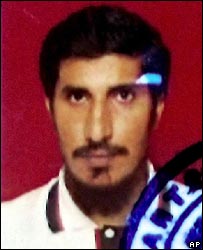
Further analysis calls into question the Kuwaiti’s status as an al-Qaida operative though, as he declared that his orders came from Ibn Shaikh al-Libi (Ali al-Fakheri) and Abu Zubaydah160. Thus, he was more of an operative of the Khaldan camp infrastructure and their militants. In fact, Faruq first trained in Afghanistan at Khaldan and remained for years, becoming close to the leadership. In 1995 he next went to the Philippines to train with the Moro Islamic Liberation Front, a Filipino Islamic rebel organization161. This was done at the behest of Abu Zubaydah and solidified the Kuwaiti as a link to Southeast Asia162. Migrating next to Indonesia in approximately 1998, Faruq married his wife and became enmeshed in Indonesian affairs, particularly those of JI and associated organzations163. Herein was the connection to the notorious JI-al-Qaida link, Riduan Isamuddin (Hambali), and thus back to central al-Qaida. Faruq was allegedly involved in attacks on Christians within Indonesia, and by 1999 aspired to grandiose but failed operations164. Due to immigration concerns, Faruq relocated with his family to Cijeruk to avoid deportation, but remained in contact with Abu Zubaydah, in order to receive recommendations and/or orders for the next series of attempted strikes165. Not all of his ventures were failures as he has been blamed for participation in the December 2000 attacks on Christian churches in Indonesia resulting in 18 deaths166. As for the JI terrorists, their senior leader predictably denied connections to al-Qaida or Faruq167. Faruq was located by traditional investigative work, simply due to his cell phone number being found with Abu Zubaydah, at least one additional Guantanamo detainee, as well as other captured militants within Indonesia168.
Omar al-Faruq and his story are indicative of a couple of phenomena within the War on Terror. The first is the conflation of all militant activity with al-Qaida. In the Kuwaiti’s case, his orders came from the Khaldan leadership cadre of Fakheri and Abu Zubaydah prior to 9/11. Afterwards though, with Fakheri having sworn bayat to bin Laden and Abu Zubaydah forced into a marriage of convenience with al-Qaida, a connection can be surmised with the actions of Faruq. The second, is just that: the war itself was driving militants into each others’ arms, and even if they were not officially al-Qaida, they were now orchestrating for them, as it seemed the name now encompassed and defined all global jihad movements, at least in the eyes of the public and authorities. Indonesia dispatched their own investigators to the US to interview Faruq, although it is doubtful that they were able to as he remained in Bagram Airbase169. Faruq imprisoned, was assuredly removed from jihad, and yet his sojourn with al-Qaida was resumed due to the escape. Despite his name being previously well-known, Faruq was not to achieve the level of fame obtained by his fellow escapee Abu Yahya. Nor would Abu Abdullah or Abu Nasir.
Abu Nasir al-Qahtani was a bedouin native and military veteran of Wadi Jash, Saudi Arabia. However, his life went awry early, resulting in his incarceration for six years and subjection to thousands of lashes in primitive punitive measures. Despite familial efforts to course correct the miscreant in Jeddah, Abu Nasir instead sold his father’s vehicle while ostensibly transplanting to Riyadh, and fled Saudi Arabia shortly after 9/11 for the Afghan theatre of jihad170. His family claimed that Abu Nasir was intent on surrendering to Saudi authorities, yet the reality was that he readily rejoined militant actions. His supposed desire to return home was easily overshadowed by a published poem in September, extolling the merits of his captain, Abu Laith al-Libi171. Soon after escape he was based in North Waziristan, integrating with al-Qaida elements, and conducting operations in eastern Afghanistan amidst provinces including Paktia, Paktika, and Khost172. Abu Abdullah al-Shami (alternatively known as Abu Moaz al-Suri173 and Mohamed Othman al-Sheikh174) also rapidly resumed paramilitary tasking with increased vigor175. He too rejoined Abu Laith, readily assisting with instruction of militants and further combat176.

Abu Yahya al-Libi saw his post-invasion jihadist career truncated with his arrest in a Karachi safehouse on May 28, 2002177. Within six hours he was transferred from Pakistani intelligence into American custody, arriving in Bagram prison to be threatened by US agents with rendition to Libya178. Under his given name, Hassan Mohamed Abu Bakr Qaid, he was held by the CIA for approximately 510 days, as only the fifth suspect to be delivered in their direct control179. By comparison Abu Nasir al-Qahtani was held for at least 340 days by the CIA, and Abu Abdullah al-Shami for 270180. After escape Abu Yahya was poised for stardom, and as a former member of the LIFG legal committee, returned to his previous role within the camp of his fellow Libyan militant, Abu Laith181. He became the faction’s chief legal and religious authority, handling internal issues, and instructing new recruits in these matters of fanaticism182. In the years to come, Abu Yahya became a very public face of al-Qaida’s local insurgency and global ambitions, far exceeding the fame and notoriety of his imprisoned fellow Libyan Abu Faraj.
CITATIONS and SUBSTANTIVE NOTES:
- Martyrs in a Time of Alienation, by Abu Ubaidah al-Maqdisi (Abdullah al-Adam), (book of 120 deceased militant biographies from the Khorasan theatre), 2008 ↩︎
- Martyrs in a Time of Alienation, by Abu Ubaidah al-Maqdisi (Abdullah al-Adam), (book of 120 deceased militant biographies from the Khorasan theatre), 2008 ↩︎
- Martyrs in a Time of Alienation, by Abu Ubaidah al-Maqdisi (Abdullah al-Adam), (book of 120 deceased militant biographies from the Khorasan theatre), 2008 ↩︎
- Martyrs in a Time of Alienation, by Abu Ubaidah al-Maqdisi (Abdullah al-Adam), (book of 120 deceased militant biographies from the Khorasan theatre), 2008 ↩︎
- Guantanamo Assessment File, Harun Shirzad al-Afghani, ISN 1348, https://wikileaks.org/gitmo/prisoner/3148.html ↩︎
- Martyrs in a Time of Alienation, by Abu Ubaidah al-Maqdisi (Abdullah al-Adam), (book of 120 deceased militant biographies from the Khorasan theatre), 2008 ↩︎
- Guantanamo Assessment File, Harun Shirzad al-Afghani, ISN 1348, https://wikileaks.org/gitmo/prisoner/3148.html ↩︎
- Guantanamo Assessment File, Harun Shirzad al-Afghani, ISN 1348, https://wikileaks.org/gitmo/prisoner/3148.html ↩︎
- Martyrs in a Time of Alienation, by Abu Ubaidah al-Maqdisi (Abdullah al-Adam), (book of 120 deceased militant biographies from the Khorasan theatre), 2008 // as-Sahab Media Production, Winds of Paradise, Part 5, Eulogizing 5 Martyrs, October 2010 ↩︎
- Martyrs in a Time of Alienation, by Abu Ubaidah al-Maqdisi (Abdullah al-Adam), (book of 120 deceased militant biographies from the Khorasan theatre), 2008 ↩︎
- Martyrs in a Time of Alienation, by Abu Ubaidah al-Maqdisi (Abdullah al-Adam), (book of 120 deceased militant biographies from the Khorasan theatre), 2008 ↩︎
- Al Qaeda Terrorists Killed, Captured in Afghanistan, American Forces Press Service, November 22, 2004, https://www.dvidshub.net/news/535907/al-qaeda-terrorists-killed-captured-afghanistan ↩︎
- Martyrs in a Time of Alienation, by Abu Ubaidah al-Maqdisi (Abdullah al-Adam), (book of 120 deceased militant biographies from the Khorasan theatre), 2008 ↩︎
- Martyrs in a Time of Alienation, by Abu Ubaidah al-Maqdisi (Abdullah al-Adam), (book of 120 deceased militant biographies from the Khorasan theatre), 2008 ↩︎
- Martyrs in a Time of Alienation, by Abu Ubaidah al-Maqdisi (Abdullah al-Adam), (book of 120 deceased militant biographies from the Khorasan theatre), 2008 ↩︎
- Martyrs in a Time of Alienation, by Abu Ubaidah al-Maqdisi (Abdullah al-Adam), (book of 120 deceased militant biographies from the Khorasan theatre), 2008 ↩︎
- Martyrs in a Time of Alienation, by Abu Ubaidah al-Maqdisi (Abdullah al-Adam), (book of 120 deceased militant biographies from the Khorasan theatre), 2008 ↩︎
- Martyrs in a Time of Alienation, by Abu Ubaidah al-Maqdisi (Abdullah al-Adam), (book of 120 deceased militant biographies from the Khorasan theatre), 2008 ↩︎
- Al Qaeda Terrorists Killed, Captured in Afghanistan, American Forces Press Service, November 22, 2004, https://www.dvidshub.net/news/535907/al-qaeda-terrorists-killed-captured-afghanistan // Martyrs in a Time of Alienation, by Abu Ubaidah al-Maqdisi (Abdullah al-Adam), (book of 120 deceased militant biographies from the Khorasan theatre), 2008 ↩︎
- Guantanamo Assessment File, Harun Shirzad al-Afghani, ISN 1348, https://wikileaks.org/gitmo/prisoner/3148.html ↩︎
- Letter from Abu Faraj al-Libi to Osama bin Laden, dated October 18, 2004 ↩︎
- Guantanamo Assessment File, Harun Shirzad al-Afghani, ISN 1348, https://wikileaks.org/gitmo/prisoner/3148.html ↩︎
- Foiling New Year’s Eve Attacks, by Scott Peterson, The Christian Science Monitor, December 20, 1999, https://www.csmonitor.com/1999/1220/p1s1.html ↩︎
- Martyrs in a Time of Alienation, by Abu Ubaidah al-Maqdisi (Abdullah al-Adam), (book of 120 deceased militant biographies from the Khorasan theatre), 2008 ↩︎
- Senate Select Committee on Intelligence, Committee Study of the CIA’s Detention and Interrogation Program, Executive Summary, December 13, 2012 ↩︎
- Senate Select Committee on Intelligence, Committee Study of the CIA’s Detention and Interrogation Program, Executive Summary, December 13, 2012 // Martyrs in a Time of Alienation, by Abu Ubaidah al-Maqdisi (Abdullah al-Adam), (book of 120 deceased militant biographies from the Khorasan theatre), 2008 ↩︎
- 9/11 Commission Report, Chapter 6: From Threat to Threat, 2004 ↩︎
- Tracking Bin Laden, by Daniel Klaidman, Newsweek, March 12, 2000, https://www.newsweek.com/tracking-bin-laden-156353 ↩︎
- Martyrs in a Time of Alienation, by Abu Ubaidah al-Maqdisi (Abdullah al-Adam), (book of 120 deceased militant biographies from the Khorasan theatre), 2008 ↩︎
- Martyrs in a Time of Alienation, by Abu Ubaidah al-Maqdisi (Abdullah al-Adam), (book of 120 deceased militant biographies from the Khorasan theatre), 2008 ↩︎
- Azzam the American, by Raffi Khatchadourian, The New Yorker, January 14, 2007, https://www.newyorker.com/magazine/2007/01/22/azzam-the-american?printable=true ↩︎
- Tracking Bin Laden, by Daniel Klaidman, Newsweek, March 12, 2000, https://www.newsweek.com/tracking-bin-laden-156353 ↩︎
- The Black Banners: The Inside Story of 911 and the War Against Al-Qaeda, Ali Soufan, W.W. Norton and Company, 2011 ↩︎
- Guantanamo Assessment File, Harun Shirzad al-Afghani, ISN 1348, https://wikileaks.org/gitmo/prisoner/3148.html ↩︎
- Guantanamo Assessment File, Adel Amin al-Tayib bin Hamlili, ISN 1452, https://wikileaks.org/gitmo/prisoner/1452.html ↩︎
- 9/11 Commission Report, Chapter 6: From Threat to Threat, 2004 ↩︎
- Tracking Bin Laden, by Daniel Klaidman, Newsweek, March 12, 2000, https://www.newsweek.com/tracking-bin-laden-156353 ↩︎
- 9/11 Commission Report, Chapter 6: From Threat to Threat, 2004 ↩︎
- 9/11 Commission Report, Chapter 6: From Threat to Threat, 2004 ↩︎
- 9/11 Commission Report, Chapter 6: From Threat to Threat, 2004 ↩︎
- Foiling New Year’s Eve Attacks, by Scott Peterson, The Christian Science Monitor, December 20, 1999, https://www.csmonitor.com/1999/1220/p1s1.html ↩︎
- The Black Banners: The Inside Story of 911 and the War Against Al-Qaeda, Ali Soufan, W.W. Norton and Company, 2011 ↩︎
- The Black Banners: The Inside Story of 911 and the War Against Al-Qaeda, Ali Soufan, W.W. Norton and Company, 2011 ↩︎
- Tracking Bin Laden, by Daniel Klaidman, Newsweek, March 12, 2000, https://www.newsweek.com/tracking-bin-laden-156353 ↩︎
- Martyrs in a Time of Alienation, by Abu Ubaidah al-Maqdisi (Abdullah al-Adam), (book of 120 deceased militant biographies from the Khorasan theatre), 2008 ↩︎
- Martyrs in a Time of Alienation, by Abu Ubaidah al-Maqdisi (Abdullah al-Adam), (book of 120 deceased militant biographies from the Khorasan theatre), 2008 ↩︎
- Martyrs in a Time of Alienation, by Abu Ubaidah al-Maqdisi (Abdullah al-Adam), (book of 120 deceased militant biographies from the Khorasan theatre), 2008 ↩︎
- Martyrs in a Time of Alienation, by Abu Ubaidah al-Maqdisi (Abdullah al-Adam), (book of 120 deceased militant biographies from the Khorasan theatre), 2008 // Senate Select Committee on Intelligence, Committee Study of the CIA’s Detention and Interrogation Program, Executive Summary, December 13, 2012 ↩︎
- Martyrs in a Time of Alienation, by Abu Ubaidah al-Maqdisi (Abdullah al-Adam), (book of 120 deceased militant biographies from the Khorasan theatre), 2008 ↩︎
- Martyrs in a Time of Alienation, by Abu Ubaidah al-Maqdisi (Abdullah al-Adam), (book of 120 deceased militant biographies from the Khorasan theatre), 2008 ↩︎
- Where Is OCs Missing Terrorist?, by Nick Schou, Orange County Weekly, June 15, 2006, https://www.ocweekly.com/where-is-ocs-missing-terrorist-6371526/ ↩︎
- Martyrs in a Time of Alienation, by Abu Ubaidah al-Maqdisi (Abdullah al-Adam), (book of 120 deceased militant biographies from the Khorasan theatre), 2008 ↩︎
- Martyrs in a Time of Alienation, by Abu Ubaidah al-Maqdisi (Abdullah al-Adam), (book of 120 deceased militant biographies from the Khorasan theatre), 2008 ↩︎
- Where Is OCs Missing Terrorist?, by Nick Schou, Orange County Weekly, June 15, 2006, https://www.ocweekly.com/where-is-ocs-missing-terrorist-6371526/ ↩︎
- Martyrs in a Time of Alienation, by Abu Ubaidah al-Maqdisi (Abdullah al-Adam), (book of 120 deceased militant biographies from the Khorasan theatre), 2008 ↩︎
- In the Line of Fire: A Memoir, by Pervez Musharraf, Free Press, 2006 ↩︎
- In the Line of Fire: A Memoir, by Pervez Musharraf, Free Press, 2006 ↩︎
- In the Line of Fire: A Memoir, by Pervez Musharraf, Free Press, 2006 ↩︎
- In the Line of Fire: A Memoir, by Pervez Musharraf, Free Press, 2006 ↩︎
- In the Line of Fire: A Memoir, by Pervez Musharraf, Free Press, 2006 ↩︎
- In the Line of Fire: A Memoir, by Pervez Musharraf, Free Press, 2006 ↩︎
- Guantanamo Assessment File, Mustafa Faraj Mohamed al-Jadid al-Uzaibi (Abu Faraj al-Libi), ISN 10017, https://wikileaks.org/gitmo/prisoner/10017.html ↩︎
- In the Line of Fire: A Memoir, by Pervez Musharraf, Free Press, 2006 ↩︎
- Senate Select Committee on Intelligence, Committee Study of the CIA’s Detention and Interrogation Program, Executive Summary, December 13, 2012 ↩︎
- In the Line of Fire: A Memoir, by Pervez Musharraf, Free Press, 2006 ↩︎
- In the Line of Fire: A Memoir, by Pervez Musharraf, Free Press, 2006 ↩︎
- In the Line of Fire: A Memoir, by Pervez Musharraf, Free Press, 2006 ↩︎
- In the Line of Fire: A Memoir, by Pervez Musharraf, Free Press, 2006 ↩︎
- Can This Man Help Capture bin Laden?, by Tim McGirk, Time Magazine, May 8, 2005, https://content.time.com/time/subscriber/article/0,33009,1059058,00.html ↩︎
- Can This Man Help Capture bin Laden?, by Tim McGirk, Time Magazine, May 8, 2005, https://content.time.com/time/subscriber/article/0,33009,1059058,00.html ↩︎
- Can This Man Help Capture bin Laden?, by Tim McGirk, Time Magazine, May 8, 2005, https://content.time.com/time/subscriber/article/0,33009,1059058,00.html ↩︎
- Can This Man Help Capture bin Laden?, by Tim McGirk, Time Magazine, May 8, 2005, https://content.time.com/time/subscriber/article/0,33009,1059058,00.html ↩︎
- Can This Man Help Capture bin Laden?, by Tim McGirk, Time Magazine, May 8, 2005, https://content.time.com/time/subscriber/article/0,33009,1059058,00.html ↩︎
- Can This Man Help Capture bin Laden?, by Tim McGirk, Time Magazine, May 8, 2005, https://content.time.com/time/subscriber/article/0,33009,1059058,00.html ↩︎
- In the Line of Fire: A Memoir, by Pervez Musharraf, Free Press, 2006 ↩︎
- In the Line of Fire: A Memoir, by Pervez Musharraf, Free Press, 2006 ↩︎
- In the Line of Fire: A Memoir, by Pervez Musharraf, Free Press, 2006 ↩︎
- Can This Man Help Capture bin Laden?, by Tim McGirk, Time Magazine, May 8, 2005, https://content.time.com/time/subscriber/article/0,33009,1059058,00.html ↩︎
- Pakistan Reports Arrest of a Senior Qaeda Leader, by Salman Masood, Mohammed Khan, and Somini Sengupta, The New York Times, May 5, 2005, https://www.nytimes.com/2005/05/05/world/asia/pakistan-reports-arrest-of-a-senior-qaeda-leader.html ↩︎
- Can This Man Help Capture bin Laden?, by Tim McGirk, Time Magazine, May 8, 2005, https://content.time.com/time/subscriber/article/0,33009,1059058,00.html ↩︎
- In the Line of Fire: A Memoir, by Pervez Musharraf, Free Press, 2006 ↩︎
- Pakistan seizes ‘al Qaeda No. 3’, CNN News, May 5, 2005, https://www.cnn.com/2005/WORLD/asiapcf/05/04/pakistan.arrest/ ↩︎
- Who is Abu Farraj al-Libbi?, by Robert Windrem, NBC News, May 4, 2005, https://www.nbcnews.com/id/wbna7734991 ↩︎
- Who is Abu Farraj al-Libbi?, by Robert Windrem, NBC News, May 4, 2005, https://www.nbcnews.com/id/wbna7734991 ↩︎
- Pakistan Reports Arrest of a Senior Qaeda Leader, by Salman Masood, Mohammed Khan, and Somini Sengupta, The New York Times, May 5, 2005, https://www.nytimes.com/2005/05/05/world/asia/pakistan-reports-arrest-of-a-senior-qaeda-leader.html ↩︎
- Pakistan Reports Arrest of a Senior Qaeda Leader, by Salman Masood, Mohammed Khan, and Somini Sengupta, The New York Times, May 5, 2005, https://www.nytimes.com/2005/05/05/world/asia/pakistan-reports-arrest-of-a-senior-qaeda-leader.html ↩︎
- Pakistan asks public’s help in capturing terror suspects, The Associated Press, August 19, 2004, https://www2.ljworld.com/news/2004/aug/19/pakistan_asks_publics/ ↩︎
- Pakistan Reports Arrest of a Senior Qaeda Leader, by Salman Masood, Mohammed Khan, and Somini Sengupta, The New York Times, May 5, 2005, https://www.nytimes.com/2005/05/05/world/asia/pakistan-reports-arrest-of-a-senior-qaeda-leader.html ↩︎
- Pakistan Reports Arrest of a Senior Qaeda Leader, by Salman Masood, Mohammed Khan, and Somini Sengupta, The New York Times, May 5, 2005, https://www.nytimes.com/2005/05/05/world/asia/pakistan-reports-arrest-of-a-senior-qaeda-leader.html ↩︎
- Pakistan Reports Arrest of a Senior Qaeda Leader, by Salman Masood, Mohammed Khan, and Somini Sengupta, The New York Times, May 5, 2005, https://www.nytimes.com/2005/05/05/world/asia/pakistan-reports-arrest-of-a-senior-qaeda-leader.html // Can This Man Help Capture bin Laden?, by Tim McGirk, Time Magazine, May 8, 2005, https://content.time.com/time/subscriber/article/0,33009,1059058,00.html ↩︎
- Pakistan seizes ‘al Qaeda No. 3’, CNN News, May 5, 2005, https://www.cnn.com/2005/WORLD/asiapcf/05/04/pakistan.arrest/ ↩︎
- Who is Abu Farraj al-Libbi?, by Robert Windrem, NBC News, May 4, 2005, https://www.nbcnews.com/id/wbna7734991 ↩︎
- Who is Abu Farraj al-Libbi?, by Robert Windrem, NBC News, May 4, 2005, https://www.nbcnews.com/id/wbna7734991 ↩︎
- Surveillance Operation in Pakistan Located and Killed Al Qaeda Official, by Dana Priest, The Washington Post, May 15, 2005, https://www.washingtonpost.com/wp-dyn/content/article/2005/05/14/AR2005051401121.html ↩︎
- Letter from Ayman al-Zawahiri to Abu Musab al-Zarqawi, dated July 9, 2005 ↩︎
- Letter from Ayman al-Zawahiri to Abu Musab al-Zarqawi, dated July 9, 2005 ↩︎
- Guantanamo Assessment File, Mustafa Faraj Mohamed al-Jadid al-Uzaibi (Abu Faraj al-Libi), ISN 10017, https://wikileaks.org/gitmo/prisoner/10017.html // The Black Banners: The Inside Story of 911 and the War Against Al-Qaeda, Ali Soufan, W.W. Norton and Company, 2011 ↩︎
- Senate Select Committee on Intelligence, Committee Study of the CIA’s Detention and Interrogation Program, Executive Summary, December 13, 2012 ↩︎
- Senate Select Committee on Intelligence, Committee Study of the CIA’s Detention and Interrogation Program, Executive Summary, December 13, 2012 ↩︎
- In the Line of Fire: A Memoir, by Pervez Musharraf, Free Press, 2006 ↩︎
- Senate Select Committee on Intelligence, Committee Study of the CIA’s Detention and Interrogation Program, Executive Summary, December 13, 2012 ↩︎
- Senate Select Committee on Intelligence, Committee Study of the CIA’s Detention and Interrogation Program, Executive Summary, December 13, 2012 ↩︎
- Senate Select Committee on Intelligence, Committee Study of the CIA’s Detention and Interrogation Program, Executive Summary, December 13, 2012 ↩︎
- Senate Select Committee on Intelligence, Committee Study of the CIA’s Detention and Interrogation Program, Executive Summary, December 13, 2012 ↩︎
- Senate Select Committee on Intelligence, Committee Study of the CIA’s Detention and Interrogation Program, Executive Summary, December 13, 2012 ↩︎
- Senate Select Committee on Intelligence, Committee Study of the CIA’s Detention and Interrogation Program, Executive Summary, December 13, 2012 ↩︎
- Senate Select Committee on Intelligence, Committee Study of the CIA’s Detention and Interrogation Program, Executive Summary, December 13, 2012 ↩︎
- Senate Select Committee on Intelligence, Committee Study of the CIA’s Detention and Interrogation Program, Executive Summary, December 13, 2012 ↩︎
- Senate Select Committee on Intelligence, Committee Study of the CIA’s Detention and Interrogation Program, Executive Summary, December 13, 2012 ↩︎
- Senate Select Committee on Intelligence, Committee Study of the CIA’s Detention and Interrogation Program, Executive Summary, December 13, 2012 ↩︎
- 10 things we learned from the Osama bin Laden report, by Jon Boone, The Guardian, July 9, 2013, https://www.theguardian.com/world/2013/jul/09/abbottabad-report-osama-bin-laden ↩︎
- Leaked report shows Bin Laden’s ‘hidden life’, by Asad Hashim, Al-Jazeera, July 8, 2013, https://www.aljazeera.com/news/2013/7/8/leaked-report-shows-bin-ladens-hidden-life ↩︎
- Al-Qaeda Operative Sentenced to Life in Prison for Terrorism Offenses Targeting Americans Overseas, US Department of Justice, Office of Public Affairs Press Release, February 16, 2018, https://www.justice.gov/archives/opa/pr/al-qaeda-operative-sentenced-life-prison-terrorism-offenses-targeting-americans-overseas ↩︎
- Al-Qaeda Operative Sentenced to Life in Prison for Terrorism Offenses Targeting Americans Overseas, US Department of Justice, Office of Public Affairs Press Release, February 16, 2018, https://www.justice.gov/archives/opa/pr/al-qaeda-operative-sentenced-life-prison-terrorism-offenses-targeting-americans-overseas ↩︎
- Al-Qaeda Operative Sentenced to Life in Prison for Terrorism Offenses Targeting Americans Overseas, US Department of Justice, Office of Public Affairs Press Release, February 16, 2018, https://www.justice.gov/archives/opa/pr/al-qaeda-operative-sentenced-life-prison-terrorism-offenses-targeting-americans-overseas // A top al-Qaeda operative is about to be sentenced for killing U.S. troops 15 years ago in Afghanistan, by Ellen Nakashima and Missy Ryan, The Washington Post, February 14, 2018, https://www.washingtonpost.com/world/national-security/a-top-al-qaeda-operative-is-about-to-be-sentenced-for-killing-us-troops-15-years-ago-in-afghanistan/2018/02/14/e7a3a400-ec04-11e7-9f92-10a2203f6c8d_story.html ↩︎
- Al-Qaeda Operative Sentenced to Life in Prison for Terrorism Offenses Targeting Americans Overseas, US Department of Justice, Office of Public Affairs Press Release, February 16, 2018, https://www.justice.gov/archives/opa/pr/al-qaeda-operative-sentenced-life-prison-terrorism-offenses-targeting-americans-overseas // A top al-Qaeda operative is about to be sentenced for killing U.S. troops 15 years ago in Afghanistan, by Ellen Nakashima and Missy Ryan, The Washington Post, February 14, 2018, https://www.washingtonpost.com/world/national-security/a-top-al-qaeda-operative-is-about-to-be-sentenced-for-killing-us-troops-15-years-ago-in-afghanistan/2018/02/14/e7a3a400-ec04-11e7-9f92-10a2203f6c8d_story.html ↩︎
- Al-Qaeda Operative Sentenced to Life in Prison for Terrorism Offenses Targeting Americans Overseas, US Department of Justice, Office of Public Affairs Press Release, February 16, 2018, https://www.justice.gov/archives/opa/pr/al-qaeda-operative-sentenced-life-prison-terrorism-offenses-targeting-americans-overseas // A top al-Qaeda operative is about to be sentenced for killing U.S. troops 15 years ago in Afghanistan, by Ellen Nakashima and Missy Ryan, The Washington Post, February 14, 2018, https://www.washingtonpost.com/world/national-security/a-top-al-qaeda-operative-is-about-to-be-sentenced-for-killing-us-troops-15-years-ago-in-afghanistan/2018/02/14/e7a3a400-ec04-11e7-9f92-10a2203f6c8d_story.html ↩︎
- A top al-Qaeda operative is about to be sentenced for killing U.S. troops 15 years ago in Afghanistan, by Ellen Nakashima and Missy Ryan, The Washington Post, February 14, 2018, https://www.washingtonpost.com/world/national-security/a-top-al-qaeda-operative-is-about-to-be-sentenced-for-killing-us-troops-15-years-ago-in-afghanistan/2018/02/14/e7a3a400-ec04-11e7-9f92-10a2203f6c8d_story.html ↩︎
- Al-Qaeda Operative Sentenced to Life in Prison for Terrorism Offenses Targeting Americans Overseas, US Department of Justice, Office of Public Affairs Press Release, February 16, 2018, https://www.justice.gov/archives/opa/pr/al-qaeda-operative-sentenced-life-prison-terrorism-offenses-targeting-americans-overseas // A top al-Qaeda operative is about to be sentenced for killing U.S. troops 15 years ago in Afghanistan, by Ellen Nakashima and Missy Ryan, The Washington Post, February 14, 2018, https://www.washingtonpost.com/world/national-security/a-top-al-qaeda-operative-is-about-to-be-sentenced-for-killing-us-troops-15-years-ago-in-afghanistan/2018/02/14/e7a3a400-ec04-11e7-9f92-10a2203f6c8d_story.html ↩︎
- Al-Qaeda Operative Sentenced to Life in Prison for Terrorism Offenses Targeting Americans Overseas, US Department of Justice, Office of Public Affairs Press Release, February 16, 2018, https://www.justice.gov/archives/opa/pr/al-qaeda-operative-sentenced-life-prison-terrorism-offenses-targeting-americans-overseas // A top al-Qaeda operative is about to be sentenced for killing U.S. troops 15 years ago in Afghanistan, by Ellen Nakashima and Missy Ryan, The Washington Post, February 14, 2018, https://www.washingtonpost.com/world/national-security/a-top-al-qaeda-operative-is-about-to-be-sentenced-for-killing-us-troops-15-years-ago-in-afghanistan/2018/02/14/e7a3a400-ec04-11e7-9f92-10a2203f6c8d_story.html ↩︎
- Senate Select Committee on Intelligence, Committee Study of the CIA’s Detention and Interrogation Program, Executive Summary, December 13, 2012 ↩︎
- Senate Select Committee on Intelligence, Committee Study of the CIA’s Detention and Interrogation Program, Executive Summary, December 13, 2012 // Letter from Abu Faraj al-Libi to Osama bin Laden, dated October 18, 2004 ↩︎
- Al-Qaida Internal Communique entitled “Lessons Learned Following The Fall of the Islamic Emirate,” https://www.dni.gov/files/documents/ubl/english/Lessons%20Learned%20Following%20the%20Fall%20of%20the%20Islamic%20Emirate.pdf ↩︎
- Senate Select Committee on Intelligence, Committee Study of the CIA’s Detention and Interrogation Program, Executive Summary, December 13, 2012 ↩︎
- Revealed: The boom and bust of the CIA’s secret torture sites, by Crofton Black and Sam Raphael, The Bureau of Investigative Journalism, October 14, 2015, https://www.thebureauinvestigates.com/stories/2015-10-14/revealed-the-boom-and-bust-of-the-cias-secret-torture-sites ↩︎
- Senate Select Committee on Intelligence, Committee Study of the CIA’s Detention and Interrogation Program, Executive Summary, December 13, 2012 ↩︎
- Bush: ‘We’re fighting for our way of life’, Transcript of President Bush remarks from White House concerning detainees, CNN News, September 6, 2006, https://www.cnn.com/2006/POLITICS/09/06/bush.transcript/index.html ↩︎
- Al Qaeda in the Tribal Areas of Pakistan and Beyond, by Rohan Gunaratna and Anders Nielsen, Studies in Conflict & Terrorism, Volume 31, Issue 9, December 30, 2008 ↩︎
- In the Line of Fire: A Memoir, by Pervez Musharraf, Free Press, 2006 // Senate Select Committee on Intelligence, Committee Study of the CIA’s Detention and Interrogation Program, Executive Summary, December 13, 2012 ↩︎
- Senate Select Committee on Intelligence, Committee Study of the CIA’s Detention and Interrogation Program, Executive Summary, December 13, 2012 ↩︎
- Senate Select Committee on Intelligence, Committee Study of the CIA’s Detention and Interrogation Program, Executive Summary, December 13, 2012 ↩︎
- Senate Select Committee on Intelligence, Committee Study of the CIA’s Detention and Interrogation Program, Executive Summary, December 13, 2012 ↩︎
- Senate Select Committee on Intelligence, Committee Study of the CIA’s Detention and Interrogation Program, Executive Summary, December 13, 2012 ↩︎
- The ‘Other Guantanamo’ 12: Bagram closes, CIA torture revealed, US to be held to account?, by Kate Clark, Afghanistan Analysts Network, December 12, 2014, https://www.afghanistan-analysts.org/en/reports/international-engagement/the-other-guantanamo-11-bagram-closes-cia-torture-revealed-us-to-be-held-to-account/ // Bagram: The Other Guantanamo?, CBS News, November 13, 2011, https://www.cbsnews.com/pictures/bagram-the-other-guantanamo/6/ ↩︎
- Abu al-Laith al-Libi, by Kevin Jackson, CTC Jihadi Bios Project, https://ctc.westpoint.edu/wp-content/uploads/2015/02/CTC_Abu-al-Layth-al-Libi-Jihadi-Bio-February2015-1.pdf ↩︎
- Guantanamo Assessment File, Mahbub Rahman, ISN 1052, https://wikileaks.org/gitmo/prisoner/1052.html // Guantanamo Assessment File, Azimullah, ISN 1050, https://wikileaks.org/gitmo/prisoner/1050.html // Abu al-Laith al-Libi, by Kevin Jackson, CTC Jihadi Bios Project, https://ctc.westpoint.edu/wp-content/uploads/2015/02/CTC_Abu-al-Layth-al-Libi-Jihadi-Bio-February2015-1.pdf // Senior al Qaeda commander in Afghanistan killed in US airstrike, by Bill Roggio, The Long War Journal, July 31, 2008, https://www.longwarjournal.org/archives/2008/07/senior_al_qaeda_comm.php ↩︎
- Al-Qaeda ‘lieutenant’ killed in Iraq, Al-Jazeera, September 26, 2006, https://www.aljazeera.com/news/2006/9/26/al-qaeda-lieutenant-killed-in-iraq ↩︎
- Afghan Escapee Belatedly Named as Bin Laden Lieutenant, by Daniel Cooney, The Washington Post via The Associated Press, November 3, 2005, https://www.washingtonpost.com/wp-dyn/content/article/2005/11/02/AR2005110202975.html ↩︎
- Al-Qaeda ‘lieutenant’ killed in Iraq, Al-Jazeera, September 26, 2006, https://www.aljazeera.com/news/2006/9/26/al-qaeda-lieutenant-killed-in-iraq // Afghan Escapee Belatedly Named as Bin Laden Lieutenant, by Daniel Cooney, The Washington Post via The Associated Press, November 3, 2005, https://www.washingtonpost.com/wp-dyn/content/article/2005/11/02/AR2005110202975.html ↩︎
- Al-Qaeda ‘lieutenant’ killed in Iraq, Al-Jazeera, September 26, 2006, https://www.aljazeera.com/news/2006/9/26/al-qaeda-lieutenant-killed-in-iraq ↩︎
- Al-Qaeda ‘lieutenant’ killed in Iraq, Al-Jazeera, September 26, 2006, https://www.aljazeera.com/news/2006/9/26/al-qaeda-lieutenant-killed-in-iraq // Afghan Escapee Belatedly Named as Bin Laden Lieutenant, by Daniel Cooney, The Washington Post via The Associated Press, November 3, 2005, https://www.washingtonpost.com/wp-dyn/content/article/2005/11/02/AR2005110202975.html ↩︎
- Al-Qaeda ‘lieutenant’ killed in Iraq, Al-Jazeera, September 26, 2006, https://www.aljazeera.com/news/2006/9/26/al-qaeda-lieutenant-killed-in-iraq ↩︎
- Top bin Laden operative escaped U.S. custody, prosecutor says, by Alicia Caldwell, The Associated Press, November 1, 2005, https://ucmjdefense.com/omar-al-farouq-escape-osama-bin-laden.html ↩︎
- Top bin Laden operative escaped U.S. custody, prosecutor says, by Alicia Caldwell, The Associated Press, November 1, 2005, https://ucmjdefense.com/omar-al-farouq-escape-osama-bin-laden.html ↩︎
- Afghan Escapee Belatedly Named as Bin Laden Lieutenant, by Daniel Cooney, The Washington Post via The Associated Press, November 3, 2005, https://www.washingtonpost.com/wp-dyn/content/article/2005/11/02/AR2005110202975.html ↩︎
- Abu al-Laith al-Libi, by Kevin Jackson, CTC Jihadi Bios Project, https://ctc.westpoint.edu/wp-content/uploads/2015/02/CTC_Abu-al-Layth-al-Libi-Jihadi-Bio-February2015-1.pdf ↩︎
- Al-Qaeda ‘lieutenant’ killed in Iraq, Al-Jazeera, September 26, 2006, https://www.aljazeera.com/news/2006/9/26/al-qaeda-lieutenant-killed-in-iraq // Afghan Escapee Belatedly Named as Bin Laden Lieutenant, by Daniel Cooney, The Washington Post via The Associated Press, November 3, 2005, https://www.washingtonpost.com/wp-dyn/content/article/2005/11/02/AR2005110202975.html ↩︎
- Senior militant ‘killed in Iraq’, BBC News, September 25, 2006, http://news.bbc.co.uk/2/hi/middle_east/5378410.stm // International al Qaeda Operative Omar Farouq Killed in Iraq, by Bill Roggio, The Long War Journal, September 25, 2006, https://www.longwarjournal.org/archives/2006/09/international_alqaed.php ↩︎
- Senate Select Committee on Intelligence, Committee Study of the CIA’s Detention and Interrogation Program, Executive Summary, December 13, 2012 ↩︎
- Al-Qaeda: Confessions Of An Al-Qaeda Terrorist, by Romesh Ratnesar, Time Magainze, September 23, 2002, https://content.time.com/time/subscriber/article/0,33009,1003276-1,00.html ↩︎
- Al-Qaeda: Confessions Of An Al-Qaeda Terrorist, by Romesh Ratnesar, Time Magainze, September 23, 2002, https://content.time.com/time/subscriber/article/0,33009,1003276-1,00.html ↩︎
- Al-Qaeda: Confessions Of An Al-Qaeda Terrorist, by Romesh Ratnesar, Time Magainze, September 23, 2002, https://content.time.com/time/subscriber/article/0,33009,1003276-1,00.html ↩︎
- Al-Qaeda: Confessions Of An Al-Qaeda Terrorist, by Romesh Ratnesar, Time Magainze, September 23, 2002, https://content.time.com/time/subscriber/article/0,33009,1003276-1,00.html ↩︎
- Al-Qaeda: Confessions Of An Al-Qaeda Terrorist, by Romesh Ratnesar, Time Magainze, September 23, 2002, https://content.time.com/time/subscriber/article/0,33009,1003276-1,00.html ↩︎
- Senate Select Committee on Intelligence, Committee Study of the CIA’s Detention and Interrogation Program, Executive Summary, December 13, 2012 ↩︎
- Senate Select Committee on Intelligence, Committee Study of the CIA’s Detention and Interrogation Program, Executive Summary, December 13, 2012 ↩︎
- Al-Qaeda: Confessions Of An Al-Qaeda Terrorist, by Romesh Ratnesar, Time Magainze, September 23, 2002, https://content.time.com/time/subscriber/article/0,33009,1003276-1,00.html ↩︎
- Al-Qaeda: Confessions Of An Al-Qaeda Terrorist, by Romesh Ratnesar, Time Magainze, September 23, 2002, https://content.time.com/time/subscriber/article/0,33009,1003276-1,00.html ↩︎
- Al-Qaeda: Confessions Of An Al-Qaeda Terrorist, by Romesh Ratnesar, Time Magainze, September 23, 2002, https://content.time.com/time/subscriber/article/0,33009,1003276-1,00.html ↩︎
- Al-Qaeda: Confessions Of An Al-Qaeda Terrorist, by Romesh Ratnesar, Time Magainze, September 23, 2002, https://content.time.com/time/subscriber/article/0,33009,1003276-1,00.html ↩︎
- Al-Qaeda: Confessions Of An Al-Qaeda Terrorist, by Romesh Ratnesar, Time Magainze, September 23, 2002, https://content.time.com/time/subscriber/article/0,33009,1003276-1,00.html ↩︎
- Al-Qaeda: Confessions Of An Al-Qaeda Terrorist, by Romesh Ratnesar, Time Magainze, September 23, 2002, https://content.time.com/time/subscriber/article/0,33009,1003276-1,00.html ↩︎
- Al-Qaeda: Confessions Of An Al-Qaeda Terrorist, by Romesh Ratnesar, Time Magainze, September 23, 2002, https://content.time.com/time/subscriber/article/0,33009,1003276-1,00.html ↩︎
- Al-Qaeda: Confessions Of An Al-Qaeda Terrorist, by Romesh Ratnesar, Time Magainze, September 23, 2002, https://content.time.com/time/subscriber/article/0,33009,1003276-1,00.html ↩︎
- Al-Qaeda: Confessions Of An Al-Qaeda Terrorist, by Romesh Ratnesar, Time Magainze, September 23, 2002, https://content.time.com/time/subscriber/article/0,33009,1003276-1,00.html ↩︎
- Al-Qaeda: Confessions Of An Al-Qaeda Terrorist, by Romesh Ratnesar, Time Magainze, September 23, 2002, https://content.time.com/time/subscriber/article/0,33009,1003276-1,00.html ↩︎
- Arrests Provide Indonesia With New Al Qaeda Leads, by Ellen Nakashima and Alan Sipress, The Washington Post, September 19, 2002, https://www.washingtonpost.com/archive/politics/2002/09/19/arrests-provide-indonesia-with-new-al-qaeda-leads/3a08a1af-b9e6-4152-af35-d3d23904c946/ ↩︎
- Al-Qaeda: Confessions Of An Al-Qaeda Terrorist, by Romesh Ratnesar, Time Magainze, September 23, 2002, https://content.time.com/time/subscriber/article/0,33009,1003276-1,00.html ↩︎
- Indonesian Authorities to Question Omar Al Faruq, VOA News, October 10, 2002, https://www.voanews.com/a/a-13-a-2002-10-10-21-indonesian-67550072/387585.html ↩︎
- The Sad Story of Abu Nasir Al-Qahtani, by Muhammad Al-Garni, Arab News, May 9, 2007, https://www.arabnews.com/node/298161 ↩︎
- Abu al-Laith al-Libi, by Kevin Jackson, CTC Jihadi Bios Project, https://ctc.westpoint.edu/wp-content/uploads/2015/02/CTC_Abu-al-Layth-al-Libi-Jihadi-Bio-February2015-1.pdf ↩︎
- Al-Qaeda Commander Abu Nasir al-Qahtani Captured, by Bill Roggio, The Long War Journal, November 13, 2006, https://www.longwarjournal.org/archives/2006/11/alqaeda_commander_ab.php ↩︎
- Guantanamo Assessment File, Mahsum Abdah Mohamed, ISN 330, https://wikileaks.org/gitmo/prisoner/330.html ↩︎
- Abu al-Laith al-Libi, by Kevin Jackson, CTC Jihadi Bios Project, https://ctc.westpoint.edu/wp-content/uploads/2015/02/CTC_Abu-al-Layth-al-Libi-Jihadi-Bio-February2015-1.pdf ↩︎
- Al Qaeda: Air strike killed escapee, CNN, July 31, 2008, https://edition.cnn.com/2008/WORLD/asiapcf/07/31/alqaeda.killed/index.html ↩︎
- Abu al-Laith al-Libi, by Kevin Jackson, CTC Jihadi Bios Project, https://ctc.westpoint.edu/wp-content/uploads/2015/02/CTC_Abu-al-Layth-al-Libi-Jihadi-Bio-February2015-1.pdf ↩︎
- Jihadist Forum Member Posts Al-Libi Interview with Al-Sahab, July 27, 2006 ↩︎
- Jihadist Forum Member Posts Al-Libi Interview with Al-Sahab, July 27, 2006 ↩︎
- Senate Select Committee on Intelligence, Committee Study of the CIA’s Detention and Interrogation Program, Executive Summary, December 13, 2012 ↩︎
- Senate Select Committee on Intelligence, Committee Study of the CIA’s Detention and Interrogation Program, Executive Summary, December 13, 2012 ↩︎
- Abu al-Laith al-Libi, by Kevin Jackson, CTC Jihadi Bios Project, https://ctc.westpoint.edu/wp-content/uploads/2015/02/CTC_Abu-al-Layth-al-Libi-Jihadi-Bio-February2015-1.pdf ↩︎
- Abu al-Laith al-Libi, by Kevin Jackson, CTC Jihadi Bios Project, https://ctc.westpoint.edu/wp-content/uploads/2015/02/CTC_Abu-al-Layth-al-Libi-Jihadi-Bio-February2015-1.pdf ↩︎
© Copyright 2025 Nolan R Beasley
 Chronicles in Zealotry