
Segment VII – Of An Unholy Merger (Chapter 24 – The Recidivists And The Wanted)
For the entirety of the Series, please see – https://chroniclesinzealotry.com/fugitives-of-the-peninsula/
Segment VII discusses the coalescing of Saudi and Yemeni jihadist elements into one cohesive faction, resulting in the birth of AQAP as we know it today. This specific chapter explores yet another Saudi Most Wanted List, composed entirely of militants abroad, in Yemen, Afghanistan, and elsewhere. Startlingly, the issuance was one that contained several freed and “rehabilitated” Guantanamo detainees turned recidivists.
Terror United
On a summer day in the midst of Ramadan, citizens gathered at the home of Prince Mohamed bin Naif to give him congratulations during this holiday season [1]. Among the well-wishers was a very special guest of the Prince’s [1,2]. Abdullah Hassan al-Assiri made his way to the Prince, intent on getting as close to the man as possible. Assiri had come to this estate in Jeddah with the express purpose of expressing his gratitude to the Saudi royal, who led the Ministry of the Interior’s fight against AQSA [2,3]. Prince Mohamed bin Naif was about to welcome Assiri, who was not just a special guest, but a wanted militant [1]. The young man had grown up in a pious family and seemed to have been a perfect model of a good-natured youth [4]. His brother Ibrahim had eventually recruited him to the ranks of Al-Qaida leading to his truancy and travel to Yemen where they joined with Nasir al-Wuhaishi and his resurgence of militancy in the Arabian Peninsula [4]. Now, the younger Assiri was seemingly prepared to put that life behind him. After surrendering to the Yemenis, he was allowed entrance to Saudi Arabia in order to officially surrender [4,5]. His one condition had been that he be allowed to personally thank his Prince for this opportunity at a new life [3,6]. Prince Mohamed readily agreed and brought the youth to his palace in Jeddah, to mix in with the crowds of Ramadan congratulators, regaling him with stories of Saudi patriotism, and allowing him to see what life offered to a man who was not a fugitive [2,6]. Assiri had gazed around at the scene, taking in the kind of sybaritic life that the Saudi royals enjoyed, observing the sycophants and elegance surrounding nobility. He had even been flown to Jeddah on the Prince’s private jet [2]. The Deputy Minister of the Interior seemed very pleased with Assiri’s surrender and welcomed him as a personal guest. In fact, Prince Mohamed had ordered his bodyguard contingent to forego even a perfunctory search the young repentant militant [2,3]. Assiri was grateful for this as well. Much of the Prince’s excitement stemmed from the fact that Assiri’s surrender would herald the eventual capitulation of an entire contingent of other wanted Saudis including the deputy leader of AQAP [5]. The Prince’s success in that operation, hinged upon his interaction with Assiri, and the young man readily accepted his carelessness. As he neared his Prince, Assiri readied himself for what his brother Ibrahim had prepared him for next. Something more insidious was in motion than a recalcitrant youth being absolved of his sins. Assiri gathered his resolve and walked to the Prince, preparing to embrace him amidst the opulence, speak with him, and launching the first assassination attempt on a member of the Saudi royal family in decades [1]. Wuhaishi had planted one of his men directly in front of the man the Saudis tapped as responsible for destroying Al-Qaida in the Arabian Peninsula [1].
To understand how Wuhaishi could accomplish such a feat, one must view how he had been able to successfully unite the Al-Qaida militants in both Saudi Arabia and Yemen. His merger of the two entities into the modern day AQAP gave him an influx of new fighters and rejuvenation, while his group of veteran Al-Qaida members provided the Saudi jihadists with the leadership they had been starved for. On January 24, 2009 Wuhaishi announced the merger in a video, claiming that jihadists from Yemen and Saudi Arabia were now officially unified under his leadership [7,8]. Dr. Zawahiri, Al-Qaida’s overall second in command, later blessed the appointment and the merger in a statement of his own [7]. As mentioned, the Saudi radicals were devoid of proper leadership, but Wuhaishi and his fellow prison escapees weren’t the only new faces in the upper echelons of Arabian militancy. In Wuhaishi’s taped announcement, he was joined by Qasim al-Rimi and two additional men [8,9]. They were Said Ali Jabir al-Shehri and Mohamed Atiq Owaid al-Awfi al-Harbi [9,10]. The two represented the Saudi portion of the union while Wuhaishi and Rimi represented the Yemenis [8,9]. In the video Shehri was named as the second in command of AQAP, while Rimi was said to oversee military affairs [11,12]. Thus Wuhaishi hoped to aggrandize his fledgling organization by combining the history of the Saudi jihadists with the foundations of original Al-Qaida. In the video the four men threaten attacks against Americans and Europeans [13]. Wuhaishi made an attempt at religious justification in this, his first video appearance [14]. He referred to the Palestinians and their plight: “Oh people of Jerusalem cheer up because the people of the victorious sect are coming to you. They vow to support you and they swear to do so. Sheikh Osama bin Laden, may God protect him, said: ‘By God, we will help you even if we have to crawl on our knees.’ Abu Musab, may he rest in peace, fought in Iraq while his eyes were looking toward Jerusalem. Those in the Islamic Maghreb are focusing their attention on you. Those in Somalia, who are in the fronts of Africa and are in the vicinity of the Land of Quiver, are on the road to Al-Aqsa [14].”

This confluence of two influential and inherently violent groups marked an important crossroads for militancy in the Arabian Peninsula. The prison escapees had been comprised of many of Nashiri and Harithi’s original men, while the Saudi remnants were the last vestiges of the Ayiri network. Now several years later, the two networks were fused into one. Wuhaishi as a devoted bin Laden confidant, and member of his inner circle while in Afghanistan, was a more than acceptable commander for the group [14]. Wuhaishi was not merely a name for the group to rally around, but rather had been one of only five men to constantly surround bin Laden, thus legitimizing not only his leadership, but also his group as an official al-Qaida “franchise [15].” The organization, while operating in Yemen was initially free of the stresses faced by their related groups based in Pakistan, Afghanistan, and Iraq. They were in a country with a weak government and could easily depend on the tribes in remote areas to shelter them [16]. They were in an theatre where there was no US military presence to accost and harass them. They could organize and plan relatively freely. It did not take long for the video to gain an incredibly large audience. One might think that the merger of two Al-Qaida branches into one would be the sole alluring and drawing factor of the video. It was not. Shehri and Harbi were the primary reasons for international notice. The two men may have seemed like mere jihadist foot soldiers, unknowns, as the video opened, but in the end they were revealed to be graduates of the Saudi Care Rehabilitation Program [17,18]. The Care Rehabilitation Program takes Islamic extremists and educates them, prepares them for reintegration into society and attempts to tone down even the most obsitanate partakers in religious fervor [19]. Even more disturbing than the failure of the Rehabilitation Program in these cases, was the fact that both men were former Guantanamo Bay detainees [18]. The issue of recidivism amongst those released from the US detention center had come to the international stage for analysis.
Preemptive Mass Arrests
The Saudis responded to the merger announcement and the embarrassment of having two of their rehabilitated militants showing up in an AQAP press release with their longest and most in depth wanted list yet [20]. The most wanted campaign was initiated yet again and to full effect. For List E, as was the case with List D, the suspects were all believed to be in foreign theatres [20]. This is not to indicate that the Saudis had completely abandoned the efforts within their own borders. In fact, the opposite had been the case in the three years since the Abqaiq attack and aftermath. Mass arrests had been a method employed by the Saudis during this time period in order to render the remains of the AQSA network obsolete. On April 27, 2007 the Kingdom announced the arrest of 172 individuals involved in militant activities [21]. The men were said to be planning attacks on oil installations, as well as attacks against military positions, and potentially even a raid on a prison to free fellow militants [21]. The arrests occurred after a lengthy investigation and dismantled a total of seven cells [22]. Several of the men were trained within Iraq and other foreign theatres, or were associated with those who had [22]. Vaguely, the Saudis claimed that some had been trained as pilots as well [21,22]. A huge weapons cache, buried the fulvous desert sands, was unearthed and over $5 million in funding confiscated [21,22]. Interestingly, the Saudi investigation into the cells had been assisted by American and British intelligence services further exemplifying the undeniable US role in the Saudis’ war on extremists [22]. By November 28, 2007, the Saudis announced the arrests of another 208 men linked to Al-Qaida in a series of raids [23]. These men were stated to be involved in recruitment and media activities and to have been a part of six different cells [23]. These men also assisted in funneling supplies and men to Iraq [23]. Financers of militant operations, weapons smugglers, and those operating online jihadist forums were arrested [23]. Just eight of the men, including one Iraqi, were involved in a precise plot to attack an oil installation in the eastern part of the Kingdom [24,25]. The breakup of this plot and the cell’s dismantling on November 25 prompted the announcement of all of the arrests [25]. American intelligence and other analysts stated the arrests, while important, mostly targeted a specific subset of support and logistics individuals within the overall network of AQSA [25]. Next, 701 men were announced to have been apprehended as of June 25, 2008 [26]. Of these, only 500 or so remained in custody as evidence for the detention of over 100 of the suspects was sparse [26].
Those confined in these mass sweeps were primarily involved in recruitment, communication, propaganda, and other logistical support [21-24]. Many of the arrests also involved those who were known to finance and funnel money to the organization [25]. Others were charged with sheltering the militants and providing supplies to them [25]. Many were arrested due to the monitoring of jihadists websites [25]. Those who frequented them or made threatening statements online were picked up and eventually their contacts apprehended as well [25]. As such, the men were believed to be aspiring to attack military and petroleum targets but it is believed that their ability to achieve such a goal was limited [25]. In other words, the most dangerous elements of AQSA had already been decimated, leaving their support networks, followers, and logistics personnel to be easily swept up by the authorities. These men were much less likely to make last stands and fight to their deaths. The weapons seized with these men were not as heavy or as advanced as those found with core elements of AQSA [25]. After the desert cache was unearthed, the rest of the men arrested were found lightly armed, if at all. The hundreds of suspects were not part of an organized network and the only claim of a cell pledging allegiance to a supposed leader came from the batch of 172 arrests [27]. These scattered men were arrested over long periods of time yet the Saudis only announced them in groupings of hundreds [21-26]. The intense number of suspects gave the appearance that the Saudis were continuing to decimate the hardcore membership right on the verge of attacks. The effect on public opinion and the endorsement of Saudi security procedures was much greater this way. While the significant arrests of November 2008 involved the eight man group planning an attack on an oil installation and the weapons smugglers working for them, the Saudis announced over 200 arrests to give the story more of a flare. However, these kinds of announcements dilute the truly significant charges. The fear based reporting allowed the Saudi security apparatus to remain relevant in their battles against AQSA. For example, the statement that some suspects had trained as pilots did not specify that the men were going to crash their planes into targets, yet the media ran with that assumption [21,22]. Thus the arrests became much more crucial, as with the statements that the men were planning an oil infrastructure attack, regardless of how far off the preparation may actually have been. The Saudi insurgency as a whole was seemingly defeated within the Kingdom, although the Saudis producing these mass sweeps kept the public eye on the AQSA threat.
Most Wanted List of February 2009
However by 2009, with the gun battles against militants in the Kingdom non-existent, and no major attacks in years, the Saudis could afford to focus on the truly minacious radicals on the outside. This was especially vital with their southern neighbor housing the combatants trying to rebuild and rejuvenate the insurgency. List E attempted to combat these individuals and others in Afghanistan, Syria, and elsewhere. The list was comprised of the following 85 men:
- 1) Ibrahim Hassan Tali al-Assiri,
- 2) Ibrahim Sulaiman Hamad al-Hablain,
- 3) Ibrahim Salman Mohamed al-Rubaish,
- 4) Ibrahim Mohamed Abdullah al-Mudian,
- 5) Ahmed Ibrahim Mohamed al-Tuwaijri,
- 6) Ahmed Saleh Ali al-Shiha,
- 7) Ahmed Abdullah Saleh al-Zahrani,
- 8) Ahmed Ali Barakat al-Shadawi al-Zahrani,
- 9) Ahmed Ali Atallah al-Farhud,
- 10) Ahmed Kutail Mohamed al-Huzali,
- 11) Osama Hamud Gharman al-Shehri,
- 12) Osama Ali Abdullah Damjan al-Dosari,
- 13) Basil Ayed Ali al-Qahtani,
- 14) Badah Mukhis Badah al-Kodari al-Qahtani,
- 15) Badr Saud Owaid al-Awfi al-Harbi,
- 16) Badr Mohamed Nasir al-Shehri,
- 17) Buhaij Abdulaziz Abdullah al-Buhaiji,
- 18) Turki Mashawi Zayed al-Assiri,
- 19) Thamir Mohamed Ghiram al-Amri,
- 20) Jabir Jabran Ali al-Faifi,
- 21) Hassan Ibrahim Hamad al-Shabaan,
- 22) Hassan Ayed Badah al-Saad al-Qahtani,
- 23) Hussein Mohamed Abdu,
- 24) Hamad Hussein Nasir al-Hussein,
- 25) Khalid Ibrahim Ahmed al-Sunbul al-Assiri,
- 26) Khalid Salim Owaid al-Luhaibi al-Harbi,
- 27) Khalid Saleh Ali al-Samiti,
- 28) Khalid Ghallab Fari al-Rouki al-Otaibi,
- 29) Rayed Abdullah Salim al-Zahiri al-Harbi,
- 30) Rayan Mohamed Humaidi al-Zayedi,
- 31) Said Ali Jabir al-Shehri,
- 32) Sultan Radi Sumailil al-Otaibi,
- 33) Saleh Sulaiman Hamad al-Hublain,
- 34) Saleh Abdullah Saleh al-Qarawi,
- 35) Saleh Naif Eid al-Makhlafi,
- 36) Tulaihan Mutlaq Tulaihan al-Mutairi,
- 37) Adel Filaih Salim al-Jafari al-Anazi,
- 38) Abdulilah Mustafa Mohamed al-Jubairi al-Shehri,
- 39) Abdulrahman Abdullah Abdulrahman al-Dosari,
- 40) Abdullah Hassan Tali al-Assiri,
- 41) Abdullah Salim Duhaim al-Qahtani,
- 42) Abdullah Abdulrahman Abdullah al-Murshid,
- 43) Abdullah Abdulrahman Mohamed al-Harbi,
- 44) Abdullah Abdulkarim Ibrahim al-Saloum,
- 45) Abdullah Othman Abdulrahman al-Dubaikhi,
- 46) Abdullah Farraj Mohamed Hamud al-Juwair,
- 47) Abdullah Mohamed Abdullah al-Ayed,
- 48) Abdullah Nasir Sulaiman al-Rayai,
- 49) Abdulmuhsin Abdullah Ibrahim al-Sharikh,
- 50) Obaida Abdulrahman Abdullah al-Otaibi,
- 51) Obaid Mubarak Obaid al-Kufail,
- 52) Atiq Faraj Sati al-Hassanani,
- 53) Othman Ahmed Othman al-Omeira al-Ghamdi,
- 54) Othman Sulaiman Dakheel al-Suwaid,
- 55) Adnan Mohamed Ali al-Sayegh,
- 56) Azzam Abdullah Zureik al-Maulid al-Subhi,
- 57) Okail Omaish Okail al-Mutairi,
- 58) Ali Saud Omair al-Shanbari,
- 59) Ali Abdulaziz Ali al-Amri,
- 60) Fayez Ghunaid Hamid al-Hijri al-Harbi,
- 61) Fahd Rikad Samir al-Ruwaili,
- 62) Fahd Saleh Sulaiman al-Jutaili,
- 63) Fahd Mohamed Saad al-Ajlan,
- 64) Fahd Mohamed Ali al-Juaithin,
- 65) Fawaz al-Humaidi Hajid al-Habradi al-Otaibi,
- 66) Fawaz Owaiz Atiq al-Zahimi al-Salami,
- 67) Faisal Jasim Mohamed al-Amri al-Khalidi,
- 68) Qasim Mohamed Mahdi al-Rimi,
- 69) Majid Mohamed Abdullah al-Majid,
- 70) Mohamed Saad Said al-Siyam al-Amri,
- 71) Mohamed Abdulrahman Sulaiman al-Rashid,
- 72) Mohamed Abdullah Hassan Abul Khayr,
- 73) Mohamed Atiq Owaid al-Awfi al-Harbi,
- 74) Mohamed Ali Mohamed al-Mutlaq,
- 75) Mohamed Hilal Thawab al-Maqati al-Otaibi,
- 76) Murtada Ali Said Makram,
- 77) Mishaal Mohamed Rashid al-Shadoukhi,
- 78) Mujab Atiyah Abdulkarim al-Zahrani,
- 79) Mukad Qaed Mukad al-Maqati,
- 80) Nasir Abdulkarim Abdullah al-Wuhaishi,
- 81) Naif Mohamed Said al-Kodari al-Qahtani,
- 82) Walid Abdullah Ibrahim bin Barghash,
- 83) Walid Ali Mashafi al-Mashafi al-Assiri,
- 84) Yusef Mohamed Jamil Abdullah al-Takruni, and
- 85) Yusef Mohamed Mubarak al-Jubairi al-Shehri [20].
This list of fugitives will now be referred to as List E. The new Saudi wanted list contained the greatest number of individuals declared wanted at once thus far. They were all located outside of the Kingdom and consisted of 83 Saudis and two Yemenis [20]. The Saudis were finally admitting to the fact that several of their citizens were participating in jihad elsewhere, primarily in Iraq and Afghanistan. Several had also joined Wuhaishi and his men in Yemen. The list contained several interesting personalities.
In addition to Wuhaishi and Qasim al-Rimi (the two Yemenis on List E), other list members included Ibrahim Hassan al-Assiri (E-1), considered one of Wuhaishi’s top bomb makers and as mentioned, Abdullah al-Assiri’s (E-40) brother [28]. Abdulmuhsin Abdullah Ibrahim al-Sharikh (E-49) was the brother of Abdulhadi and Abdulrazzaq al-Sharikh who were captured and sent to Guantanamo after the 9/11 attacks (ISN 231 and ISN 67) [29,30]. Both of the brothers had been trained by Saif al-Adel for a mission involving the use of SAMs to shoot down US warplanes approaching or lifting off from Prince Sultan Air Force Base in Saudi Arabia [29,30]. That their brother followed them to jihad is no surprise. Eventually Abdulmuhsin became Sanafi al-Nasr, a regular on jihadist websites who posted eulogies of his fallen comrades. He had even sheltered Abdullah al-Rashoud of List B during his endeavor to enter Iraq [31]. Mohamed Abdullah Hassan Abul-Khayr (E-72) was a son-in-law, and former bodyguard to Osama bin Laden, and a purported deputy to Dr. Zawahiri, who worked in the organization’s finances [32,33]. It should be noted that while questions may be raised as to why bin Laden himself was never named on a Saudi most wanted list that consisted of those operating outside of the Kingdom, it must be remembered that bin Laden had his citizenship revoked in the early 1990s [34]. Thus the Kingdom did not consider him as a Saudi and his name could not have been included in any list [34]. As seen above though, some of his family did make the list.
As for more List E members, Abdullah Farraj al-Juwair (E-46) was the brother of Fahd Farraj al-Juwair (C-2) the former AQSA commander [35]. Naif Mohamed al-Qahtani (E-81), the young Saudi who was involved in leading AQSA remnants, editing the jihadist magazine Sada al-Malahim, and who had joined Wuhaishi’s network in Yemen was finally listed as wanted [36,37]. Saleh Abdullah al-Qarawi (E-34), the former lieutenant of Zarqawi, was believed to be running a network of al-Qaida linked fighters in Iran, as well as having his hand in militant activities in Lebanon and the Arabian Peninsula [35,38]. Ahmed Abdullah Saleh al-Khazmari al-Zahrani (E-7) was a known al-Qaida propagandist believed to be operating in Iran and Pakistan [39]. Azzam Abdullah Zuraik al-Maulid al-Subhi (E-56) was a long time al-Qaida trainer and instructor with linkages to the upper echelon of the organization [40]. There were also of course Shehri (E-31) and Harbi (E-73), the former Guantanamo detainees. Frighteningly, List E contained a total of eleven men released from Guantanamo and graduated from Saudi rehabilitation [35].
Guantanamo Recidivists
Adnan Mohamed al-Sayegh (E-55, ISN 105) and Yusef Mohamed Mubarak al-Shehri (E-85, ISN 114) were members of Al-Qaida’s Brigade 55 and had fought along the front lines in Kunduz against the Northern Alliance [41,42]. Yusef’s brother Saad was previously listed as D-19 [42]. The pair of Yusef al-Shehri and Adnan al-Sayegh were captured in 2001 along with hundreds of other Brigade 55 and Taliban fighters by General Dostum of the Northern Alliance after US bombings broke their lines [42]. Dostum transferred his prisoners to the Qala I Jangi fortress in Mazar I Sharif to be imprisoned [42]. An infamous prison revolt ensued after several captives obtained weapons and the ensuing violence resulted in the deaths of a CIA operative and most of the inmates, once US Special Forces assisted in ending the battle [43]. Sayegh and Shehri survived the battle and were placed in US custody [41,42]. As a side note, John Walker Lindh, the famous “American Taliban” also survived this battle and was captured thereafter [44]. Those prisoners left after the battle and the slaughter fled to the underground portions of the fortress and survived grenade attacks as well as being flooded with water and gasoline, which was then ignited by Northern Alliance forces, in order to flush them out [44]. Mishaal Mohamed al-Shadoukhi (E-77, ISN 71) also fought for Brigade 55 and survived the Qala I Jangi uprising after his initial capture [45]. Interestingly, he was assessed at Guantanamo to have no intelligence value and to be of no threat to American interests [45]. Shehri, Shadoukhi, Sayegh, and Lindh were of a group of Qala I Jangi survivors that amounted to just 86 out of the original hundreds of Brigade 55 and Taliban soldiers that had surrendered [44].
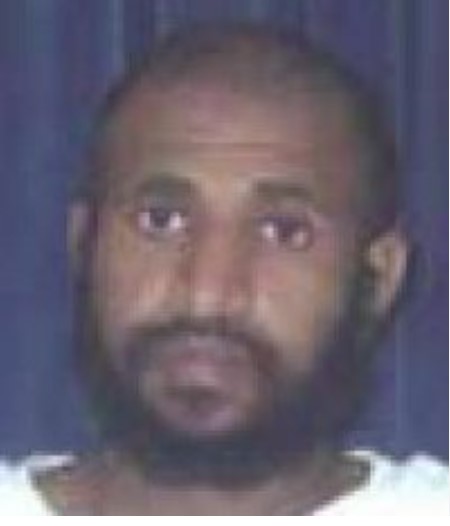

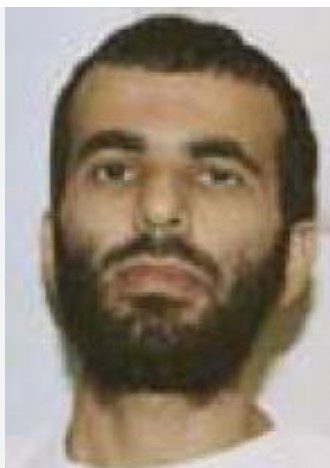


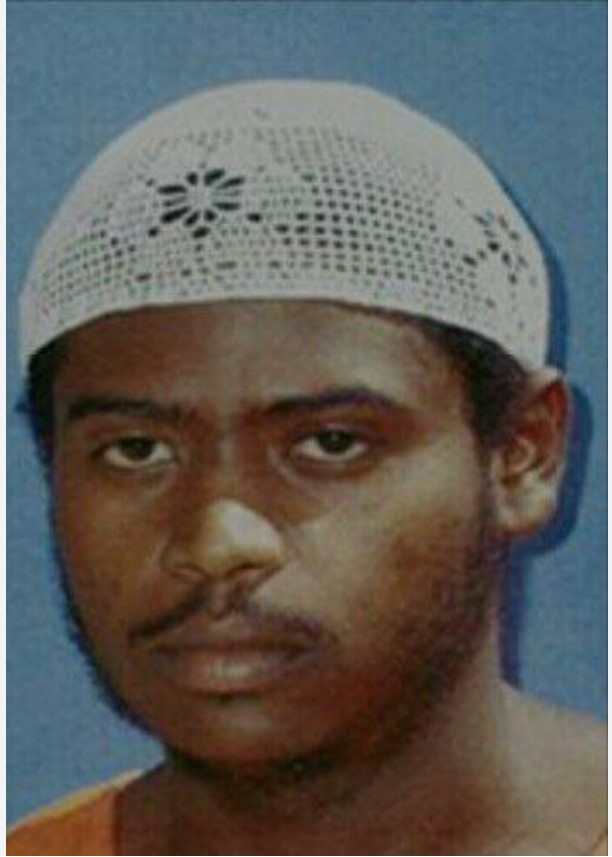

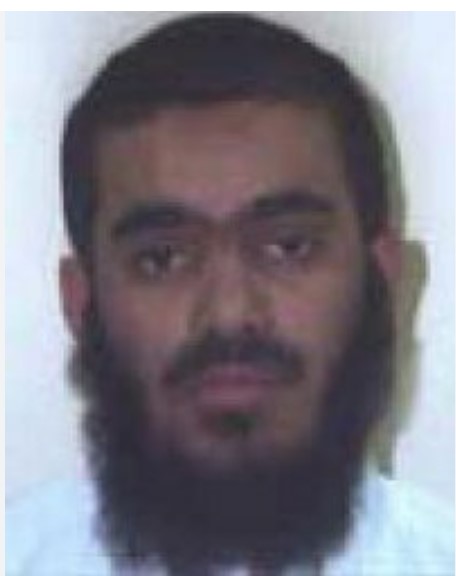
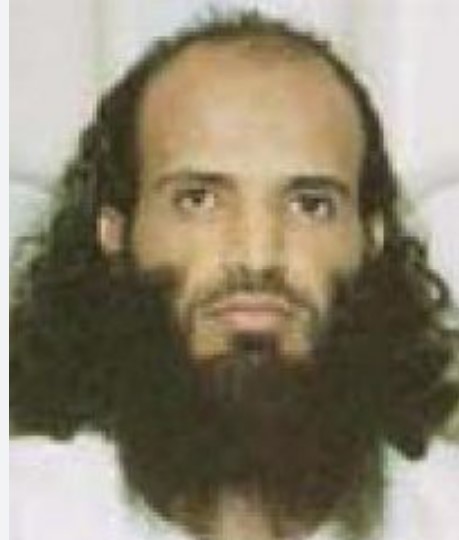
Several of these former Guantanamo detainees on List E had fought against US forces while protecting senior Al-Qaida leadership at the battle of Tora Bora. Ibrahim Salman al-Rubaish (E-3, ISN 192), Turki Mashawi al-Assiri (E-18, ISN 185), and Fahd Saleh al-Jutaili (E-62, ISN 177) fought in Tora Bora positions under different commanders and fled into Pakistan before being captured [46,47,48]. While so many Saudis discussed in earlier Segments had managed to escape the battle and bring the war back home, these individuals were captured during their retreat. Murtada Ali Makram (E-76, ISN 187) fought for Brigade 55 on the Kabul lines and fled to the battle of Tora Bora under Abu Ubaydah al-Masri (an al-Qaida leader who eventually assumed command of their external operations) who held sway over the lines near Bagram airport [49,50]. Makram was captured in a large group of fighters with Sheikh Ibn al-Libi (Ali al-Fakhiri), the appointed Libyan commander of forces at Tora Bora [50]. Jabir Jabran al-Faifi (E-20, ISN 188) had fought in Kashmir against the Indians for a long while before finding himself on the front lines in Afghanistan [51]. He also fought on the Kabul line with Brigade 55 and fled to Tora Bora under Abu Ubaydah al-Masri [51]. He was a seasoned fighter but still was captured after crossing into Pakistan. Othman Ahmed al-Omaira al-Ghamdi (E-53, ISN 184), was a Saudi military deserter who trained in Al-Qaida camps prior to his capture [52]. He feared being sent back to Saudi Arabia as he felt they would never release a deserter [52]. He was proven incorrect. Finally, Mohamed Atiq al-Awfi al-Harbi (E-73, ISN 333) had fought in Chechnya and Afghanistan [53]. He was accused of smuggling money to fighters in Pakistan and was involved in an NGO believed to provide money to jihadists [53].
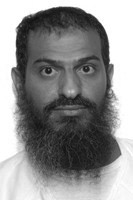
The new deputy of AQAP meanwhile, Said Ali Jabir al-Shehri (E-31, ISN 372) was the brother in law of both Saad Mohamed al-Shehri (D-19) and the above mentioned Yusef al-Shehri (E-85) [54,55]. He had married Yusef’s sister Wafa upon his return to Saudi Arabia from Guantanamo [55]. Prior to his detainment, Shehri also worked with an NGO known to provide funds to militants: al-Wafa [54]. He was assessed to have worked for Sultan Jabran al-Qahtani (Zubayr al-Rimi, A-16), while in Afghanistan [54]. Shehri was believed to have facilitated the movements of fighters from Iran and elsewhere [54]. While in Spin Boldak, Afghanistan, he was injured in an American airstrike and subsequently ended up hospitalized in Pakistan before being placed in US custody [54]. Perhaps more disturbing was the fact that Shehri had been a 1st Lt. in the Saudi internal security forces, the very organization that had waged a successful war thus far against Saudi militants [54]. He also had brothers and a father who were veterans of the Mabahith, the chief Saudi intelligence and investigation organization, and thus Shehri was assessed as high priority by the Saudis [54]. This makes his release after his rehabilitation stint all the more perplexing. In addition to the released former Guantanamo detainees, there was yet another interesting category within List E: those List members who may have been declared wanted after their deaths.
Fallen Elsewhere
Upon the release of List D it was discussed that since the wanted militants were all based outside of the Kingdom, it was a difficult task for the Saudis to determine if any of them might already be deceased. That being said, shortly after the release of List E there were multiple reports of some of the militants having been killed already in their respective foreign theatres. On February 8, 2009 it became apparent with a release from the jihadist community that some of these men might actually fall into this category [56]. Upon this day, jihadist forums declared the names of five List E members that they asserted had been killed fighting in abroad [56]. First listed was Ahmed Kutail Abdullah al-Huzali (E-10) who they claimed had died fighting in Khost, Afghanistan [56]. Sultan Radi Sumailil al-Otaibi (E-32) was stated as having been killed fighting in Iraq against US forces [56].

Next, Abdullah Mohamed Abdullah al-Ayed (E-47) was listed as dead and had even previously been eulogized in the As-Sahab Winds of Paradise jihadist series [57]. This press release, from central al-Qaida’s official media outlet, profiled extremist fighters who had perished while waging jihad [57]. In the second issue of the series, Ayed, known as Shuaib al-Harrani, was said to have been killed in Zabul province of Afghanistan while fighting against coalition forces [57]. It should be noted that in April of 2007, AQSA remnants were accused of beheading a police colonel, Nasir al-Othmani and that Ayed was considered a suspect in the attack [35]. Othmani’s nephew, Khalid Abdulkarim al-Tuwaijri, a Buraidah based imam who had connections to Al-Qaida in Iraq, had been influenced into betraying and murdering his uncle, possibly by Ayed [58]. The Saudis arrested Tuwaijri but Ayed temporarily escaped justice [58]. Additionally, Ayed was said to have been involved with Saleh al-Qarawi’s network of al-Qaida fighters in Iran, and was known to be an influential speaker in jihadist circles, issuing fatwas and encouraging violence [35,59]. Reports of his death are given credence by having been announced by As-Sahab specifically.
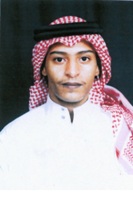
Next, Obaid Mubarak Obaid al-Kufail (E-51) was said to have carried out a suicide operation for the Fatah al-Islam group, within Syrian borders [56]. He was known to have been operating in that area and was listed amongst a group of terrorists involved with Fatah al-Islam that were wanted in Lebanon [35,60]. It was said Kufail helped to prepare a bomb used on a military bus in the Behsas district of Tripoli in September 2008, which resulted in the deaths of four soldiers [60]. Fatah al-Islam is accused of perpetrating a September 27, 2008 suicide car bombing on a Syrian intelligence complex in Damascus [61]. The suicide operative was a Saudi named Abu Aisha [61]. According to the official listing of the 85 most wanted located on the website of the Saudi Interior Ministry, Kufail’s known alias was indeed, Abu Aisha [62]. Thus it appears apparent that Kufail carried out the bombing and was dead prior to his name being published on List E.

Lastly, Tulaihan Mutlaq Tulaihan al-Mutairi (E-36) was also proclaimed as having been killed [56]. The corroborating evidence for this assertion was that Mutairi’s family had received condolences from militants as to their son’s death more than two months prior to the issuance of List E [56]. Mutairi was no mere foot soldier, and had directly sworn fealty to Osama bin Laden before enrolling in advanced militant training [59]. In addition to becoming an instructor in the aforementioned military skills, Mutairi was suspected of being involved with other important al-Qaida fighters operating in and around Iran [59]. Thus, it was assumed that if Mutairi was dead, he was killed fighting in the general Khorasan region which includes the FATA portion of Pakistan, Afghanistan, and Iran. Clarification came in the form of a eulogy penned by the increasingly reliable panegyrist Sanafi al-Nasr, naming Mutairi as Abu Tayib al-Sharqi, a middle level militant commander who attacked US forces near Khost in August 2008 and was then killed in a retaliatory strike [31].
Despite the news from the peers of the militants describing and claiming their deaths, the Saudi Interior Ministry continued its search for the men until concrete evidence of their demises could be obtained. In certain cases it would prove beneficial that the Saudis never gave up the search. While jihadists have a good record of reporting the deaths of their fellows accurately, sometimes the releases need to be viewed skeptically if they are not coming from an official overall jihadist committee, leader, or website. As such, the deaths of Ayed, Mutairi, and Kufail have enough supporting evidence to be upheld as truth.

Another case in which the previous death of a List E member is certain is that of Mujab Atiyah Abdulkarim al-Fahmi al-Zahrani (E-78). Zahrani was a recognized Al-Qaida facilitator who went by the name Abdullah Azzam al-Saudi [63]. Zahrani was based in Jani Khel, Pakistan within the district of Bannu [63,64]. On November 19, 2008 a CIA drone strike decimated a tribesman’s home in Jani Khel and killed five foreign fighters [65]. The facilitator was killed in the explosion and thus an important player was removed from the Khorasan’s battlefield [65]. Mujab Atiyah al-Zahrani’s death was announced by his fellow militants after the Saudis released his name on List E [63]. In a release translated by the SITE intelligence group, Zahrani’s peer Sanafi al-Nasr eulogized him and announced his identity as Abdullah Azzam al-Saudi [63]. Thus Zahrani was crossed off of List E with a large amount of certainty and with the knowledge that his death predated his listing. More importantly, seemingly for the first time, the CIA’s drone war had targeted and eliminated a Saudi most wanted list member.
Pivoting from former Guantanamo detainees on the list, and those who perished in other theatres, we next examine the list in terms of the factions with which the wanted were associated. Furthermore, we see how Wuhaishi and AQAP capitalized from this merger: expanding influence, conducting operations, and recruiting across borders.
CITATIONS and SUBSTANTIVE NOTES:
- [1] Al-Qaida names Saudi Arabia bomber, Al-Jazeera News, August 30, 2009, http://www.webcitation.org/query?url=http%3A%2F%2Fenglish.aljazeera.net%2Fnews%2Fmiddleeast%2F2009%2F08%2F200983091051611545.html&date=2009-09-01
- [2] Was bomber who tried to kill Saudi Prince an al-Qaida “mole,” Debkafile Special Report, August 31, 2009, http://web.debka.com/article/8336/
- [3] Would be killer linked to al-Qaida, Saudis Say, by Michael Slackman, August 28, 2009, The New York Times, http://www.nytimes.com/2009/08/29/world/middleeast/29saudi.html
- [4] Suicide bomber named, by Abdullah al-Oreifij, The Saudi Gazette, September 1, 2009, http://www.webcitation.org/query?url=http%3A%2F%2Fwww.saudigazette.com.sa%2Findex.cfm%3Fmethod%3Dhome.regcon%26contentID%3D2009083148387&date=2009-09-01
- [5] Al-Qaida in the Arabian Peninsula claims missile plot targeting Saudi leaders, Translated by Flashpoint Partners, October 4, 2010, https://flashpoint-intel.com/inteldocument/flashpoint_aqapsaudisam1110.pdf
- [6] Attack on Saudi Prince raises Yemen stakes, UPI, August 31, 2009, http://www.webcitation.org/query?url=http%3A%2F%2Fwww.upi.com%2FEmerging_Threats%2F2009%2F08%2F31%2FAttack-on-Saudi-prince-raises-Yemen-stakes%2FUPI-30731251755908%2F&date=2009-09-01
- [7] Yemen and Saudi al-Qaida arms merge, Al-Jazeera News, January 28, 2009, http://www.aljazeera.com/news/middleeast/2009/01/2009128115142980866.html
- [8] Arabian Peninsula al-Qaida groups merge, by Jane Novak, The Long War Journal, January 26, 2009, http://www.longwarjournal.org/archives/2009/01/arabian_peninsula_al.php#ixzz2BhIPn2zL
- [9] Two ex-Guantanamo inmates appear in al-Qaida video, AFP, January 24, 2009, http://www.google.com/hostednews/afp/article/ALeqM5hZfIcWnHqBz4kQR90lC_pXaHeW4Q
- [10] Al-Oufi, al-Shihri betrayed our trust: Families, friends, by Abdullah al-Oraifij and Khaled al-Shalahi, The Saudi Gazette, January 29, 2009, http://www.saudigazette.com.sa/index.cfm?method=home.regcon&contentID=2009012927911
- [11] Freed by the US, Saudi becomes al-Qaida chief, by Robert F. Worth, The New York Times, January 22, 2009, http://www.nytimes.com/2009/01/23/world/middleeast/23yemen.html?_r=3&hp&
- [12] Pentagon Concerned over Ex-Guantanamo Detainees Rejoining Al-Qaeda, Mohamed al-Shafey, Asharq al-Awsat, January 26, 2009, http://www.aawsat.com/english/news.asp?section=3&id=15508
- [13] Al-Qaida YouTube warning to Britain, by Simon Hughes, The Sun News, January 26, 2009, http://www.thesun.co.uk/sol/homepage/news/2171955/Al-Qaeda-YouTube-warning-to-Britain.html
- [14] Profiles of key figures of AQAP, Open Source Center, May 3, 2011, http://wikileaks.org/gifiles/attach/101/101723_aqap.pdf
- [15] Salim Ahmed Hamdan Guantanamo assessment file, ISN 149, http://wikileaks.org/gitmo/prisoner/149.html
- [16] What comes next in Yemen? Al-Qaida, The Tribes and State-Building, by Sarah Phillips, Carnegie Endowment Middle East Program, Number 107, March 2010, http://carnegieendowment.org/files/yemen_tribes1.pdf
- [17] Yemen al-Qaida link to Guantanamo Bay prison, by Peter Taylor, BBC News, January 13, 2010, http://news.bbc.co.uk/2/hi/8454804.stm
- [18] Return to Jihad, by Thomas Joscelyn, The Long War Journal, January 25, 2009, http://www.longwarjournal.org/archives/2009/01/return_to_jihad.php
- [19] Can Jihadis be rehabilitated?, by Bobby Ghosh, Time Magazine, January 27, 2009, http://content.time.com/time/world/article/0,8599,1874278,00.html
- [20] Ain al-Yaqeen News Magazine, February 7, 2009, http://www.ainalyaqeen.com/arch_2009/7-feb/en7.php
- [21] Saudis arrest 172 suspected militants tied to multiple terror plots, The New York Times, April 27, 2007, http://www.nytimes.com/2007/04/27/world/africa/27iht-saudi.5.5481327.html
- [22] Saudis say they broke up suicide plots, by Craig Whitlock and Robin Wright, The Washington Post, April 28, 2007, http://www.washingtonpost.com/wp-dyn/content/article/2007/04/27/AR2007042700649.html
- [23] Saudis arrest 208 in attempt to head off terrorist attacks, by Rasheed Abou-Alsamh, The New York Times, November 29, 2007, http://www.nytimes.com/2007/11/29/world/middleeast/29saudi.html
- [24] Saudi Arabia: 208 arrested in largest terror sweep, USA Today, November 28, 2007, http://usatoday30.usatoday.com/news/world/2007-11-28-saudi-terror-sweep_N.htm
- [25] The current state of al-Qaida in Saudi Arabia, by Michael Knights, Combating Terrorism Center at West Point, January 3, 2010, http://www.ctc.usma.edu/posts/the-current-state-of-al-qaida-in-saudi-arabia-2
- [26] Saudis: 701 suspected militants arrested, CBN News, June 25, 2008, http://www.cbn.com/cbnnews/world/2008/June/Saudis-701-Suspected-Militants-Arrested-/
- [27] Saudis arrest 172 in anti-terror sweep, by Michael Slackman, The New York Times, April 27, 2007, http://www.nytimes.com/2007/04/27/world/middleeast/27cnd-Saudi.html?pagewanted=print
- [28] Ibrahim Hassan al-Asiri: al-Qaida’s bomb master, by Brian Murphy, The Huffington Post, May 8, 2012, http://www.huffingtonpost.com/2012/05/08/ibrahim-hassan-al-asiri-al-qaeda-bomb-master_n_1500625.html
- [29] Abdulhadi Abdullah Ibrahim al-Sharikh, Guantanamo assessment file, ISN 231, http://wikileaks.org/gitmo/prisoner/231.html
- [30] Abdulrazaq Abdullah Ibrahim al-Sharikh, Guantanamo assessment file, ISN 67, http://wikileaks.org/gitmo/prisoner/67.html
- [31] From Khorasan to the Levant: A Profile of Sanafi al-Nasir, by Kevin Jackson, CTC Sentinel, September 2015, Volume 8, Issue 9, https://ctc.usma.edu/from-khorasan-to-the-levant-a-profile-of-sanafi-al-nasr/
- [32] Treasury designates al-Qaida finance sector leader, US Department of the Treasury Press Center, August 24, 2010, http://www.treasury.gov/press-center/press-releases/Pages/tg838.aspx
- [33] Jihadist with same name as Zawahiri deputy reported killed, by Bill Roggio, The Long War Journal, July 29, 2011, http://www.longwarjournal.org/archives/2011/07/jihadist_with_same_n.php
- [34] Saudi Arabia Enters The Twenty-First Century: The Military and International Security Dimensions, Anthony Cordesman, Praeger, 2003, p. 278
- [35] Examining Saudi Arabia’s most wanted list, by Christopher Boucek, Combating Terrorism Center at West Point, CTC Sentinel, May 15, 2009, http://www.ctc.usma.edu/posts/examining-saudi-arabia%E2%80%99s-85-most-wanted-list
- [36] Qaeda moves to Yemen, The Saudi Gazette, http://www.saudigazette.com.sa/index.cfm?method=home.PrintContent&action=Print&contentID=0000000014998
- [37] AQAP Publication, Martyrs of the Peninsula no. 4, Abu Hammam al-Qahtani, http://defenderofthelands.blogspot.com/2011/08/amef-presents-english-translation-of-al.html
- [38] In the Shadow of al-Zarqawi: A Profile of the Saudi Militant Saleh al-Qarawi, by Murad Batal al-Shishani, The Jamestown Foundation, Terrorism Leadership Monitor, Volume 1, Issue 4, April 29, 2010, http://mlm.jamestown.org/single/?tx_ttnews%5Btt_news%5D=36334&tx_ttnews%5BbackPid%5D=568&no_cache=1
- [39] Terrorist designation of Ahmed Abdullah Saleh al-Khazmari al-Zahrani, US Department of State media note, January 24, 2013, http://www.state.gov/r/pa/prs/ps/2013/01/203238.htm
- [40] Terrorist designation of Azzam Abdullah Zuraik al-Maulid al-Subhi, US Department of State media note, August 7, 2012, http://www.state.gov/r/pa/prs/ps/2012/08/196105.htm
- [41] Adnan Mohamed Ali al-Sayegh, Guantanamo assessment file, ISN 105, http://wikileaks.org/gitmo/prisoner/105.html
- [42] Yusef Mohamed Mubarak al-Shehri, Guantanamo assessment file, ISN 114, http://wikileaks.org/gitmo/prisoner/114.html
- [43] Inside the battle of Qala I Jangi: How our Special Forces crushed the Taliban prison revolt, by Alex Perry, Time Magazine, December 1, 2001, http://www.freerepublic.com/focus/f-news/581971/posts
- [44] America’s ‘detainee 001’ – the persecution of John Walker Lindh, by Frank Lindh, The Guardian, July 9, 2011, http://www.theguardian.com/world/2011/jul/10/john-walker-lindh-american-taliban-father
- [45] Mishal Mohamed Rashid al-Shadoukhi, Guantanamo assessment file, ISN 71, http://wikileaks.org/gitmo/prisoner/71.html
- [46] Ibrahim Sulaiman Mohamed al-Rubaish, Guantanamo assessment file, ISN 192, http://wikileaks.org/gitmo/prisoner/192.html
- [47] Turki Mashawi Zayed al-Assiri, Guantanamo assessment file, ISN 185, http://wikileaks.org/gitmo/prisoner/185.html
- [48] Fahd Saleh Sulaiman al-Jutaili, Guantanamo assessment file, ISN 177, http://wikileaks.org/gitmo/prisoner/177.html
- [49] Top al-Qaida leader Abu Ubaidah al-Masri confirmed dead in Pakistan, Fox News, April 9, 2008, http://www.foxnews.com/story/2008/04/09/top-al-qaeda-leader-abu-ubaida-al-masri-confirmed-dead-in-pakistan/
- [50] Murtada Ali Said Makram, Guantanamo assessment file, ISN 187, http://wikileaks.org/gitmo/prisoner/187.html
- [51] Jabir Jabran al-Faifi, Guantanamo assessment file, ISN 188, http://wikileaks.org/gitmo/prisoner/188.html
- [52] Othman Ahmed Othman al-Ghamdi, Guantanamo assessment file, 184, http://wikileaks.org/gitmo/prisoner/184.html
- [53] Mohamed Atiq al-Awfi al-Harbi, Guantanamo assessment file, ISN 333, http://wikileaks.org/gitmo/prisoner/333.html
- [54] Said Ali Jabir al-Shehri, Guantanamo assessment file, ISN 372, http://wikileaks.org/gitmo/prisoner/372.html
- [55] The orphaned stepson of an al-Qaida leader, abandoned somewhere on a Yemeni mountainside, by Richard Spencer, The Telegraph, January 25, 2013, http://blogs.telegraph.co.uk/news/richardspencer/100200171/the-orphaned-stepson-of-an-al-qaeda-leader-abandoned-somewhere-on-a-yemeni-mountainside/
- [56] Release concerning the deaths of five jihadists from Saudi most wanted list, as retrieved from www.muslim.net, http://www.muslm.net/vb/showthread.php?t=381807
- [57] As-Sahab Media release Winds of Paradise 2, as translated by Ansar al-Mujahideen English Forum, https://archive.org/details/rh-jnh-2-eng
- [58] Executed by Saudi Arabia: A student, an academic, a protester, an imam, by Alex MacDonald, The Middle East Eye, April 24, 2019, https://www.middleeasteye.net/news/executed-saudi-arabia-student-academic-protester-imam
- [59] The al-Qaida-Iran connection, Asharq al-Awsat, June 8, 2011, http://www.aawsat.net/2011/06/article55246222
- [60] Judiciary wants Behsas bombers sentenced to death, Agence France Presse and the Daily Star, July 8, 2010, http://www.dailystar.com.lb/News/Lebanon-News/2010/Jul-08/58165-judiciary-wants-behsas-bombers-sentenced-to-death.ashx#axzz0t21QWUCR
- [61] Syria says Fatah al-Islam group behind bombing, by Khaled Yacoub Oweis, Reuters, November 6, 2008, http://www.reuters.com/article/2008/11/07/us-syria-bombing-idUSTRE4A58YW20081107
- [62] Wanted List-85, General Directorate of Investigation, Saudi Interior Ministry, http://www.moi.gov.sa/wps/portal/investigationdepartment/!ut/p/b1/jY_NbsIwEISfhSfwrH9IcnQMZH1wghXVLb6gHBCKBOFS9fkJbdobbfc20jefdkQWBymLNQEg8SbyNHyM5-F9vE3D5ZHz-ti0qVcNK-qC2sJHNqpNhI7VDBxmoAa2VU0WJQfAc0zyJSRZSPpfH0_O4q9-f5rEq8ifmHF758ugqHHawWtK6J1R1ugF-PGgomL2kNdsa9VFWgB0MmwoOrtDZL0xFX9_sgC_Df0yPF_S8u16Etd82ZW9H_fn1eoOIqnt8A!!/dl4/d5/L0lDU0lKSWdrbUEhIS9JRFJBQUlpQ2dBek15cXchLzRKQ2lEb01OdEJqdEJIZmxDRUEhL1o3X0dOVlMzR0gzMU9NM0UwSVFINTNOVjEwTzk3LzA!/?WCM_PORTLET=PC_Z7_GNVS3GH31OM3E0IQH53NV10O97n18756_WCM&WCM_GLOBAL_CONTEXT=/wps/wcm/connect/investigation+office/investigation+department+ar/the+wanted/list+85/inv_list85_ar
- [63] Mujab al-Zahrani: Dead and Wanted, a jihadist internet release, translated by the SITE Intelligence Group
- [64] Al-Qaida and Europe: The case of the German-Pakistani Aleem Nasir, The NEFA Foundation, June 2009, http://www.fondazionecdf.it/var/upload/file/992-01.pdf
- [65] Senior al-Qaida leader targeted in airstrike in Bannu, Pakistan, by Bill Roggio, The Long War Journal, November 19, 2008, http://www.longwarjournal.org/archives/2008/11/senior_al_qaeda_lead_3.php
© Copyright 2025 Nolan R Beasley
 Chronicles in Zealotry
One thought on “SERIES: Fugitives Of The Peninsula – (Chapter 24 – The Recidivists And The Wanted)”