
The Karachi raids deprived Khalid Sheikh Mohamed of an adequate cell of men, facilitators, two of his best lieutenants, an enormity of supplies, and of course a series of viable safehouses. However, there was much more that KSM lost in the September maneuvers.
For the entirety of the Series, please see – https://chroniclesinzealotry.com/predators-of-the-khorasan/
Eluding Capture
Emerging from the Tariq Road safehouse, where the bin Laden family passports were discovered, were two women and three children1. The women were a steward of the home and a childcare educator respectively, with one of the children belonging to the steward. The other two children, Omar and Abdullah, aroused the suspicions of investigators so much so, that they were believed to be bin Laden’s own offspring2. They were however, determined to be the two young sons of KSM3. The educator cared for and taught the children, with KSM apparently visiting sporadically4. The safehouse was so integral to his existence that KSM hid his own children within, as well as a dilapidated piece of luggage containing a plethora of his personal, financial, and vital documents, to include photographs, bank transactions, etc5. Despite questioning, the children though, had no indication of where there father might be entrenched6. Nonetheless, the raids had come precariously close to netting the man known as Mukhtar.
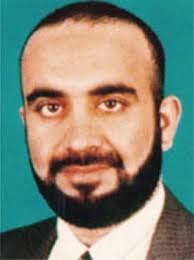
It was not until December 2002 that bin Laden was able to put it in writing that KSM was the commander of External Operations7. The delay and specific timing in naming KSM officially was most likely in response to three factors. Firstly, in doing so, bin Laden implicitly refuted Saif al-Adel’s desire to extinguish these embarrassing operational attempts. This move allowed bin Laden to establish operational control over the organization by condoning the plotting of KSM against his senior advisor’s wishes. Secondly, that KSM was unaware of the Strait of Gibraltar plot was counterintuitive to how bin Laden preferred his operations to be managed. Having one node of control over global external missions, allowed for bin Laden to directly influence and approve of the means, personnel, and even potentially targeting. Of course, his separation from KSM meant that the latter had some operational autonomy, and this required the role to be assumed by someone who fit with bin Laden’s philosophy of control and grandiose targeting, as opposed to multiple entities attempting to conduct attacks in his name. Thirdly, his other trusted agents were compromised. Both Abu Mohamed al-Masri and Abdulrahim al-Nashiri had conducted successful attacks for the organization, but Abu Mohamed was incapacitated in Iran. Nashiri’s arrest in Dubai in November 2002 cleared the way for KSM to be the primary option available in December of the same year.
KSM proved himself, even via tangential operational involvement in successful attacks in Bali and Mombasa. Now he was approved and capable of conducting even more attempted strikes. Yet this coincided with the slow erosion of the safety networks in Pakistani cities for the operational militants. Fleeing jihadists had successfully utilized the safehouses for their escapes, but those wishing to stay and operate in Pakistan, such as KSM, were under increasing pressure as the safehouses fell. As previously discussed, the Karachi network was decimated in September 2002, and others across the nation were subject to dismantling as well.
For example, Dr. Ahmed Javed Khawaja, his two American born sons, his brother and nephew with Canadian citizenship, were arrested in a raid on their family compound in Manawa, near the city of Lahore, on December 19, 20028. The doctor who lived in the US from 1972 to 1983 was accused of giving safe haven to fleeing al-Qaida leadership. Having traveled to Afghanistan in 1998 to treat al-Qaida and Taliban wounded, he allegedly became acquainted with the hierarchy. After the invasion, his family purportedly had contacts with various senior al-Qaida to include Sheikh Said al-Masri, Abu Faraj al-Libi, and Abu Yasir al-Jaziri9. Their compound was found to contain an abundance of foreign currency and foreign passports. Presumably, the doctor assisted these three senior al-Qaida officials and others in their escapes from the war theatre. Authorities were closing in on the escaped al-Qaida seniors, but there was a growing dread that KSM was destined to maintain his elusive run ahead of his pursuers10. There was also a developing conflict between the FBI and CIA in Pakistan, exemplified by the absurd story of a CIA official keeping KSM’s recovered NC A&T diploma as a war trophy, while the FBI desired to use it and other contents of the KSM suitcase as evidence11.
Further Network Members
KSM labored to enhance the connection to his Indonesian JI counterparts, and dispatched a young operative to Thailand in order to transfer $50,000 of funds for future attacks12. Prepared by Ammar al-Baluchi, the operative Majid Khan conducted his travel from December 24-29, 2002, retrieving the money and delivering it to JI operative Mohamed Farik bin Amin13. The operative succeeded in his mission and returned to KSM14. A Pakistani, Majid Khan immigrated to Baltimore with his family in 1996, but Majid never received his citizenship15. Instead he labored at his family’s fueling station, engaged in Islamic ministry and was profoundly affected by the 9/11 attacks, leading to his eventual radicalization16. Desiring to marry in Pakistan, Majid traveled to the nation in January 2002, meeting with family members, including his uncle Mahsud Khan and a cousin Mansur17. Of note, Mahsud was very close friends with Iyman Faris, another KSM operative18. Mansur acted as an aide to Ammar al-Baluchi, and Mahsud assisted Baluchi throughout 2002 in handling money transfers from couriers to KSM19. Thus, through his family, Majid Khan was introduced to KSM and became a willing participant in his activities.
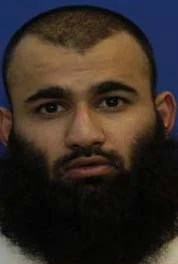
KSM went as far as to verify Majid’s dedication, by employing him in a mock suicide bombing20. Once he ascertained Majid’s willingness for martyrdom, KSM had Hassan bin Attash provide a “suicide vest,” to the operative, and along with Mansur drove him to the target21. Supposedly, President Musharraf was to visit a nearby mosque on March 8, and Majid was ordered to approach the target and detonate22. Majid agreed and was taken to the mosque, but it was revealed to be an elaborate test of his dedication, resulting in his official joining of al-Qaida23. Majid was tasked with researching fueling stations like the one owned by his family, and impressed KSM further with his knowledge and willingness to attempt to sabotage and detonate fuel storage tanks24. Majid was also set to research the contamination, poisoning, or sabotage of US water plants and reservoirs, yet his focus remained mostly on the fuel plot25.
Majid returned to America later in March, but despite his parents protests and confiscation of his passport, he was able to act duplicitously, retrieve the passport, and return to Pakistan by August26. Meeting in September, KSM desired Majid to be an implanted operative in the United States, settled with a family and raising no suspicions27. KSM valued him as an asset, especially with his English proficiency28. However, Majid wished to participate in the war, assisting the militants, an ambition from which KSM was able to talk him away29. Convinced to eventually return to America, Majid remained in Pakistan with family, but needed American authorities to believe he was in fact home. He and Ammar al-Baluchi utilized a female associate of the KSM network, Aafia Siddiqui, to open a PO Box in Majid’s name in the US during a visit in January 2003, wherein she also submitted an asylum travel document application, giving the false sense that Majid was still in America applying for official papers30. Associate Uzhair Paracha meanwhile, communicated with the USPS and INS about the PO Box and document, under the false pretenses that he was Majid Khan31. Uzhair was in possession of several of Majid’s personal documents, the key to the PO Box, and was intending on receiving $200,000 for his services to KSM for investment in his father’s businesses32.


Paracha worked for his Pakistani businessman father Saifullah at a New York branch of the elder Paracha’s import/export textile business33. Working with the Karachi based Saifullah, KSM intended on smuggling C4 explosives into the US by coopting the textile business34. Ammar al-Baluchi intended to utilize Majid, Siddiqui, Uzhair, and even British operative Dhiren Barot (Abu Issa al-Hindi) in the operation35. There were discussions of even smuggling chemical or biological agents as well, and the trafficking of further materials to Britain for potential attacks36. Baluchi convened with Siddiqui on the matter of biological agents due to her background as a biology major at MIT37. KSM already used Paracha’s many business to launder money and purchase homes for safehouses38. Paracha allowed KSM to use his media broadcasting facilities related to a separate media business he owned39. Bin Laden had KSM research the company prior to 9/11 after the former met Paracha40. In early 2002, Ammar al-Baluchi used one of the studios to film testimony from operative Ali al-Faqasi al-Ghamdi (under the moniker Abu Bakr al-Azdi) about the Battle of Tora Bora41 [A]. Further, Paracha held up to $600,000 in al-Qaida funds for KSM across various bank accounts. In November 2002, Ammar al-Baluchi and KSM retrieved the money from Paracha and forwarded it onward to al-Qaida Internal commanders in the Federally Administered Tribal Areas of Pakistan42.
Raid in Rawalpindi
Occurring just prior to the US invasion of Iraq, the Bush Administration desperately needed a success in the “War on Terror,” so as to appear as if they had not abandoned their offensive against al-Qaida. The press for senior al-Qaida lieutenants continued, with KSM representing the utmost prize. To do so they would need the full assistance from Pakistani authorities, despite the narrative and belief suffusing through US agencies, that the nation was dallying and uncommitted in their support against the extremists43.
As such, KSM evaded capture during a Quetta raid in late February 200344. Quetta, the capital of the province Balochistan, was a known haven for the Taliban, housing its senior leadership in the aftermath of the US invasion. It stands to reason that al-Qaida operatives would reside there as well. The raid was conducted as a combined operation with US and Pakistani operatives against a location held by a known Islamic fundamentalist45. Despite being tracked by his satellite phone usage and rampant communications, KSM continued to make these errors. The Quetta raid however, was not a loss, as it netted an unexpected find for authorities. In addition to computers and communications equipment, there was a human aspect among the finds as well46. Mohamed Omar Abdulrahman, al-Qaida recruiter, propagandizer, and son of the imprisoned Blind Sheikh47, was apprehended in the raid48. Previously, his lawyer had declared him deceased, as a casualty of the Battle of Tora Bora49. Instead, he had actually escaped and was participating in the far flung Pakistani network of operatives for KSM. He was also utilized by Ayman al-Zawahiri as an intermediary in an attempt to rein in disparate factions of the Egyptian jihadist community50. Known as Asadallah51, the Blind Sheikh’s son also had communications which came under scrutiny52. Among them was an email which yielded an address in Rawalpindi associated with KSM53. Asadallah was unceremoniously handed over to the Americans and sent to Bagram Airbase54.
Asadallah was held by the CIA for approximately 150 days, and placed under duress for information55. This included water based enhanced interrogation techniques, sleep deprivation, and cramped confinement, despite a pre-existing ankle injury56. After his extensive interrogations, he was rendered to the Egypt for incarceration and further interrogation therein57. For the CIA, the enhanced interrogation techniques were enacted in order to find senior lieutenants, particularly KSM.
As KSM reportedly barely avoided capture in the Quetta operation, he was able to be tracked next to Rawalpindi due to the intelligence yielded, to include intercepted communications58. Rawalpindi was the militarized twin city to Pakistani capital Islamabad, and was the centralized manifestation of the the nation’s armed forces59. Reports at the time stated that the administrator of his safehouse in Rawalpindi was tracked to the location, thus revealing KSM60. Later, Pakistani officials insinuated that it was an al-Qaida member that informed on KSM in order to gain the financial reward offered for his capture61. Neither assertion was entirely accurate. Nor was the resulting March 1, 2003 raid conducted due to intelligence gathered from CIA detainees either62. In fact, there was a mole inside of the KSM network, directly responsible for unveiling KSM in Rawalpindi, but the Pakistani was of minor standing within the organization63. Incensed by the violence against innocents on 9/11, and the disregard of the Quran by al-Qaida operatives, the devout Muslim offered to spy on the network from within, declaring it his “religious duty64” His disdain for al-Qaida officials was instrumental in the coming attempt to capture KSM65. Through sheer will he entrenched himself with al-Qaida sympathizers and logisticians, slowly climbing the ladder of important individuals until he was informed that he would operate alongside KSM66.
During a late night excursion, the double agent rode in a vehicle ferrying KSM to the his Rawalpindi safehouse67. The spy was shocked to discover that KSM was hiding among senior Pakistani military officials and their homes in the Saddar neighborhood, so much so that once KSM was delivered to the location, the spy had significant trouble remembering and relocating the exact home68. Once he was away from the vehicle and the transport, the spy surreptitiously contacted his CIA handlers, informing them that he had actually located KSM69. The CIA officials in Rawalpindi, manned one of the most robust CIA stations in the world, were sent into a panic of preparation and response70. Owing to the fact that the spy had difficulty recollecting the domicile in question, CIA agents drove around for some time attempting to pinpoint the target71. Finally, in the late hours of the night/early hours of the morning, the spy confirmed the home72. Pakistani authorities were subsequently notified and commenced the operation73.
Of note, the local Rawalpindi police were neither utilized nor informed of the operation74. Well-equipped members of Pakistan’s Inter-Services Intelligence (ISI) conducted the raids jointly alongside American agents75. Thirty minutes prior to the primary assault, the individual hiding KSM was captured at a different home76. Local officials of the Jamaat I Islami party acknowledged that one of their members’ homes was raided77. The member was Dr Abdulqadus Khan, a respected microbiologist, who adamantly denied that any al-Qaida were captured at his home78. Abdulqadus was previously employed by the United Nations, yet it was his son Ahmed for whom the authorities were searching79. While not sanctioned by his party, the Jamaat i Islami suffered the indignity of the actions of Abdulqadus’ son80. The 42 year old secured and provided KSM an apartment in the desirable Saddar neighborhood, among markets, military officials, and even in proximity to President Musharraf’s military lodging81. When the combined forces arrived at the home at 0230, they burst through the entry, ushered the children to safety, and apprehended their quarry without incident82. Ahmed Abdulqadus was quickly taken away83, and the home left in utter disarray84. His wife remarked on the presence of English speaking foreigners among the raiders85. A brother, Major Adel Abdulqadus of a Pakistani Signals Regiment was also arrested in Kohat and transferred to Rawalpindi for his connections to the militants86.
Next, the forces moved to the rental property at 0300 for the concluding operation87. While storming the home, the ISI were met by a determined and unfortunately armed KSM, who used his rifle in defense, wounding an ISI agent in a lower extremity88. This was the only shot fired, as KSM was otherwise rapidly overpowered and apprehended alive89. Despite this, Pakistani authorities initially reported that their commandos faced no resistance in the arrests90. Authorities took the infamous photograph of a recently awakened and visibly shaken KSM immediately after capture91. Even though he was assigned to al-Qaida financial chief Sheikh Said al-Masri, the operative Mustafa al-Hawsawi, known for handling financial logistics for the 9/11 operation, was with KSM that night and was himself captured as well92.
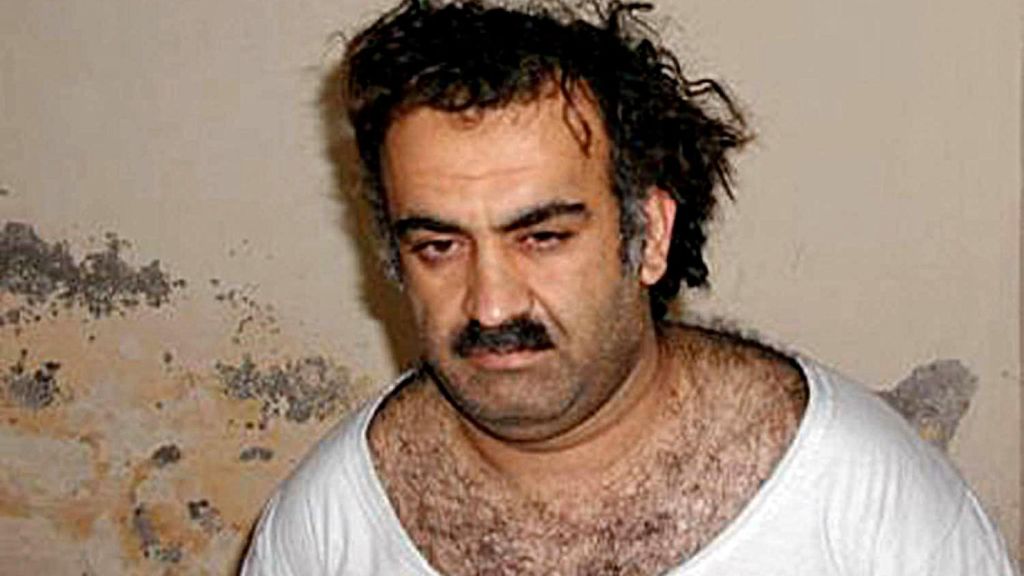
By March 2, major US news outlets began to report on the successful mission and capture93. Initially, the identity of Hawsawi was unknown, being reported as a Middle Eastern man only, but it was reported that another individual was arrested for protecting and housing KSM94. The 0300 raid assisted the arresting agents in “disorienting” their prey, and he was rapidly transported by US military aircraft to an undisclosed location95. Once his identity was explicitly concluded, CIA Director George Tenet informed NSA Condoleeza Rice, who in turn reported to President Bush the following morning at Camp David96. For his efforts the Pakistani spy was moved and protected by the CIA, even meeting with Director Tenet and receiving financial compensation for the mission97. Al-Qaida communications acknowledged the inside agent as the catalyst for the capture98. Meanwhile, there was a wealth of intelligence garnered along with KSM.

Consequences and Information
Hawsawi’s laptop for instance contained a document listing 129 al-Qaida operatives, with detailed information on their living requirements and family situations, thus providing proof that KSM and his men were facilitating the movements, finances, and safety of these jihadists and their spouses and children99. The list was essentially displaying the monthly allowances of each militant in order to support each family100. Another list on the computer indicated those militants known to have engaged against the American invading forces101. This was most likely a roster of 182 jihadists labeled as killed or wounded thus far in the invasion102. KSM and his men were obviously meticulous with personnel records, and thus we are given insight into the degree of casualties among the Arabs having trained with and fought for al-Qaida.

Hawsawi was familiarized with KSM back in 2000 as a member of al-Qaida’s media committee103. Having intended to fight in Chechnya after being radicalized at a Saudi Islamic University, Hawsawi was instead diverted to al-Qaida operations in Afghanistan, becoming a central party to the 9/11 attacks in the form of financials and logistics104. However, during interrogations, CIA officers rapidly determined that Hawsawi was not the “financial mastermind105,” of al-Qaida, finally disentangling his identity from Sheikh Said al-Masri, and correctly relegating him to a position of logistics support. Hawsawi was held in CIA detention for at least 1260 days before being transferred to Guantanamo106. Beginning in April 2003 at Detention Site COBALT, he was subjected to dousing and waterboarding107. He eventually experienced rectal rehydration in CIA custody, resulting in several medical ailments and injuries108.
Shortly after KSM was apprehended, the dividends of the operation seemed apparent. First to fall, supposedly from KSM derived information109, was the Algerian Abu Yasir al-Jaziri. Described at the time as perhaps the seventh most important operational al-Qaida leader, he was arrested in a Pakistani raid on a rental house in Lahore on March 15110. US officials described him as within the top two dozen leaders of the network111. Soon after his capture, Abu Yasir was placed in the CIA Detention Site COBALT in Afghanistan, during March 2003. Therein he was subjected to enhanced interrogation techniques to include water dousing112. At some point prior to June, he was transferred to CIA Detention Site BLUE in Poland113. Abu Yasir was described by al-Qaida contacts as one of the only real members lost in the war thus far114. This stems from his role as an original member in Sudan and not someone that joined later such as KSM or any of those that merged along with EIJ. This does not mean that the others fighting for al-Qaida or who joined at a later date are not significant neutralizations. This is merely a matter of semantics and how certain jihadists held to the original members. Abu Yasir al-Jaziri was never transferred to Guantanamo, and was held in CIA confinement for at least 1240 days, or well over 3 years115. This would place his release in 2006, but did not mean that he was freed. In fact, by 2008 he was merely described as being in the custody of a “friendly government,” indicating that he was rendered to another country for further interrogation and incarceration116.
The Algerian featured prominently as number 35 on the list of 170 al-Qaida members from the late 1990s117. Abu Yasir was actually the alias of Abu Bakr Mohamed al-Boulghiti118. In or about 1986 Boulghiti facilitated the travel of himself and several other Algerian associates to Afghanistan, dedicated to fighting the Soviets119. Over time he became enmeshed with transportation, finances, safe houses, and propagandizing for pre-9/11 al-Qaida120. The FBI described Abu Yasir al-Jaziri as a member of the Security Committee, whose primary responsibility was forgery121. The committee also held responsibility for counterintelligence, casing targets, and providing direct security to bin Laden122. During the organization’s tenure in Sudan, it was Abu Yasir who handled travel documents123. Government cooperating witness Jamal al-Fadl testified that Abu Yasir helped run an office that all traveling members had to go through, in order to receive fraudulent passports124.
Later in Afghanistan, he was an al-Qaida facilitator known to also assist in running a guest house in Kandahar for trainees circa 2000125. Boulghiti garnered funds for bin Laden via his role as finance chief of the Afghan Support Committee in Jalalabad, a front used to fundraise for al-Qaida126. Insidiously, he filled the coffers of al-Qaida by manipulating local charities into believing they were assisting widows and orphans127. Sometime in 2000, he transplanted his operation to Pakistan where he continued to benefit bin Laden128. As an example of his contributions via documents handling for the organization, he assisted jihadists training in Afghanistan to justify their lengthy excursions in the region, by obtaining references from bribed doctors indicating that the jihadist had traveled to seek medical care129. Under his real name he was sanctioned by the UN for these activities on January 11, 2002130. After the invasion, he was also integral in the movement of al-Qaida and militant operatives. For example, Abu Zubaydah was smuggled into Pakistan via the machinations of Abu Yasir131. Internal al-Qaida communications blamed his capture on either his over reliance on internet usage, or betrayal by the Pakistani outfit Lashkar e Taiba132.

For the next public capture, Saudi Arabia reported to Germany in April 2003 that they had arrested German al-Qaida operative Christian Ganczarski, yet due to the fact that he was not facing charges in Germany, there could be no extradition133. The Germans had previously questioned Ganczarski based on his satellite phone conversation with Djerba suicide bomber Nizar Nawar, just before the Tunisian attack, yet they did not retain custody of him134. This allowed Ganczarski to flee Germany for Saudi Arabia. Within a year the Saudis were looking to deport the al-Qaida associate. The French however, had no qualms about making the arrest. The Counterterrorist Intelligence Center, known as the Alliance Base, was a multinational effort to prevent al-Qaida attacks on Western nations135. It was via this establishment that Ganczarski was arrested at Charles de Gaulle International Airport in Paris on June 2, 2003136. He was on a flight from Riyadh to Frankfurt and arrested during the layover as per an arrangement from the Alliance Base137. Ganczarski was charged with an association with terrorism as it related to the Djerba bombing, due to the fact that two French citizens perished in the attack138.
Yet these arrests may have been coincidental and not directly related to the interrogation of KSM. For example, Majid Khan was already under surveillance prior to the arrest of KSM. An email address was linked to him by the FBI in January 2003, that was itself connected to an email address associated with Walid bin Attash139. Monitoring Khan’s internet usage revealed his location at his brother’s residence in Karachi by February140. A decision was made days after the KSM capture, on March 5, to take Khan assuming that he could point authorities to bin Attash141. Thus, Pakistani authorities raided the brother’s home and apprehended Khan142. He was held in CIA custody for at least 1180 days before his transfer to Guantanamo143. It was not until KSM was shown a photograph of Khan that he began to speak of him144. Khan helped corroborate information already known to authorities on the Parachas and their businesses145. Information pertaining to the Parachas was obtained during both the March 2002 Faisalabad raid that netted Abu Zubaydah, and the September 2002 Karachi raids against KSM safehouses, leading to the FBI and CIA to begin investigating the pair146. Uzhair was arrested in New York on March 28, 2003, and began cooperating with the FBI147. It was through him that the FBI was able to capture Saifullah on July 5, 2003 in Bangkok and bring him to Bagram Airbase in Afghanistan148. Upon further examination, it seemed that the Parachas had never explicitly agreed to smuggle the explosives, and that most of the plotting never advanced beyond mere discussions with Ammar al-Baluchi and KSM149. Investigators noted the absurdity of smuggling in explosive materials, when they could be easily obtained in America150. Nonetheless, Uzhair was sentenced in 2006 to 30 years in federal prison151, while Saifullah was transferred to Guantanamo152.

The CIA touted the capture of American based KSM operative Iyman Faris as a prime example of their enhanced interrogation techniques preventing an attack and leading to an arrest153. Faris, who was tasked with destroying the Brooklyn Bridge among other goals, had already informed KSM of the impossible nature of the plot. He had also already been investigated by the FBI, just after the 9/11 attacks154. In March 2003, the FBI investigated him again, yet not from information obtained from KSM, but rather evidence provided by foreign intelligence of Faris communicating with known extremists abroad155. KSM did not mention Faris in his initial interrogations, even while discussing the suspension bridge plot156. With Majid Khan arrested abroad, a member of his family was recorded speaking on the telephone with Faris, who inquired about KSM157. The combined evidence resulted in the FBI reopening their case on Faris on March 6158. When approached with photos of Faris, KSM admitted to dispatching the former for the suspension bridge act and to gather supplies, but that upon learning the task was untenable had not assigned anything further to the operative, whom he referred to only as the truck driver159. Majid Khan however, mentioned Faris first, as a close friend to his uncle Mahsud, through whom Faris had first been introduced to KSM160. As for Faris, he was apprehended in Ohio on March 20, after being surveilled, and readily spoke to the FBI on his al-Qaida associations and his failed plot161. Thus, the capture and torture of KSM did not in fact lead to the prevention of an attack or even the arrest of Faris. Later, Iyman Faris was sentenced to 20 years for providing material support to KSM162.
Strangely the CIA also asserted that the interrogation of KSM led the arrest of another American based operative, Ali al-Marri, and that prior to the sessions, the CIA had no viable information on him163. Yet Marri was arrested in December 2001 after attempting to repeatedly dial a number associated with Hawsawi, and was being held as a material witness164. Abdulrahim Ghulam Rabbani, the safehouse facilitator captured in Karachi the year prior, already reported to American authorities that Marri previously communicated with KSM and that the two had associated at one of the guesthouses165. Both the FBI and CIA already had sufficient information on Marri166.

Other arrests occurred in early 2003 without fanfare. When CNN published a disturbing video of dogs being subjected to nerve agents at pre-9/11 Darunta camp in Afghanistan, attention was focused on the Egyptian explosives expert Midhat Mursi, known to oversee the camp167. In early 2003, presumably resulting from the focus, Mursi’s son Hamza was captured by the Pakistanis in Peshawar and delivered to the CIA168. Hamza was held in CIA custody for approximately 110 days, catalogued under the name Abdullah Midhat Mursi169.
While Mursi’s arrest was insignificant, other captives held onto information that could be valuable to the US in their hunt for bin Laden, if only the interrogators could piece together the pieces appropriately. Early in his interrogations, in July 2003, Abu Yasir al-Jaziri informed the CIA that Abu Ahmed al-Kuwaiti (bin Laden’s handler and guard) was associated with KSM170. Despite his knowledge of the individual, and the admission that the Baluchi-Kuwaiti assisted in bin Laden’s escape to Pakistan171, KSM (also a Baluchi-Kuwaiti) held to the story that al-Kuwaiti was insignificant, and that he was in fact married in 2002, resulting in his departure for a sort of retirement from jihadism172.
The Karachi Network Fails
With KSM removed, the External Operations structure of al-Qaida as built by the 9/11 architect, was narrowed now to just Ammar al-Baluchi and Walid bin Attash. In February, Baluchi had married fellow network member Dr Aafia Siddiqui in a hidden nuptial in Karachi173. The KSM nephew was not deterred in his jihadist career, attempting in March to salvage what remained of the network and plans. In doing so, he reached out to their Indonesian connection Hambali to inquire about potential plots and what he could contribute174. However, Baluchi’s enthusiasm did not quite match reality. He was privy to the plots of KSM, having essentially replaced Binalshibh as his primary confidant by January 2003175. It was at this time that he was given details of the Heathrow Airport plan. Yet the plot was in its infancy and Baluchi felt that he had no capabilities or experience to successfully carry through with the mission, or that of an attack on the US Consulate in Karachi176. As such, he linked further with Walid bin Attash for the required knowledge and confidence177. For the Consulate attack that Baluchi first discussed with Hamza al-Zubair, and labored on with bin Attash, the plan evolved into an idea of crashing a small explosives laden aircraft into the building178.
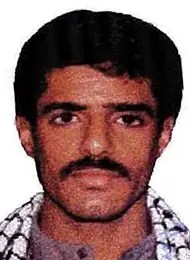

In order to accommodate the task, Ammar al-Baluchi continued to meet with separate Pakistani actors who promised to provide him with access to copious amounts of explosives179. These were to be used in the assaults on the Consulate and against Westerners at the airport180. In October 2002, Baluchi met with Asif Zahir, a militant of the Harakat ul Mujahidin al-Alami, a dissident faction of the Pakistani militant group HuM, who declared possession of 10 tons of ammonium nitrate181. Zahir was subsequently arrested and charged with the May 8, 2002 Sheraton Hotel bombing that killed 11 French Naval technicians in Karachi182 [B]. Baluchi meanwhile, connected with an individual named Jabir, who was apparently holding the late Hamza al-Zubair’s explosive stash183. Baluchi and bin Attash were seemingly well on their way to carrying out another al-Qaida attack, where Zubair and KSM had failed. Tasking Jabir to procure even more explosives through March 2003, by April Baluchi and bin Attash were surveilling the Consulate and Airport and ready to assume control of the materials184. On April 29 however, as they waited to receive the illicit substances, they were instead ambushed by Pakistani intelligence agents and rangers, resulting in their arrests and the confiscation of 150 kg of explosives185. Again, bin Attash and Baluchi were not actually captured from information obtained from KSM, but rather from a solely Pakistani operation resulting from criminal investigations186. The Pakistanis received information on the truck carrying Hamza al-Zubair’s stash to Baluchi, and intercepted the vehicle, allowing the driver to lead them directly to the unaware al-Qaida captains187. Although it was reported that the two still intended on crashing an aircraft into the Consulate, Baluchi revealed that the plan was deemed too difficult, and that the focus was on vehicle borne explosives to breach the compound and cause carnage188. The two were rendered to CIA custody from Pakistan in May, and also spent at least 1180 days with the agency prior to arrival at Guantanamo189.
The external operations infrastructure of al-Qaida was now thoroughly dismantled; their base in Karachi and the cities of Pakistan erased. The Internal structure of al-Qaida based in the FATA would have no choice but to absorb the responsibilities.
CITATIONS and SUBSTANTIVE NOTES:
- [A] For further information on the deeds and associates of Ali al-Faqasi al-Ghamdi, please see the Chronicles in Zealotry special SERIES: Fugitives of the Peninsula – https://chroniclesinzealotry.com/fugitives-of-the-peninsula/, which is focused on the attempted al-Qaida Arabian insurgency of 2003 – 2006 and the evolving militant/terror franchise in the region.
- [B] In 2008, Asif Zahir was sentenced to death for this act, along with a certain Mohamed Sohail190. In fact, Sohail was a known associate of Matiur Rahman and was implicated in the conspiracy to abduct Wall Street Journal reporter Daniel Pearl191. This exemplified the interconnectedness of these networks and also explained how Ammar al-Baluchi would have connected with Zahir, given the deep involvement of himself and KSM in the murder of Pearl.
- Inside the Mission to Catch Khalid Sheikh Mohammed: How the FBI, CIA, and Pakistani intelligence worked together — or didn’t — in the global hunt for the mastermind behind September 11, 2001, by Terry McDermott and Josh Meyer, The Atlantic, April 2, 2012, https://www.theatlantic.com/international/archive/2012/04/inside-the-mission-to-catch-khalid-sheikh-mohammed/255319/ ↩︎
- Inside the Mission to Catch Khalid Sheikh Mohammed: How the FBI, CIA, and Pakistani intelligence worked together — or didn’t — in the global hunt for the mastermind behind September 11, 2001, by Terry McDermott and Josh Meyer, The Atlantic, April 2, 2012, https://www.theatlantic.com/international/archive/2012/04/inside-the-mission-to-catch-khalid-sheikh-mohammed/255319/ ↩︎
- Inside the Mission to Catch Khalid Sheikh Mohammed: How the FBI, CIA, and Pakistani intelligence worked together — or didn’t — in the global hunt for the mastermind behind September 11, 2001, by Terry McDermott and Josh Meyer, The Atlantic, April 2, 2012, https://www.theatlantic.com/international/archive/2012/04/inside-the-mission-to-catch-khalid-sheikh-mohammed/255319/ ↩︎
- Inside the Mission to Catch Khalid Sheikh Mohammed: How the FBI, CIA, and Pakistani intelligence worked together — or didn’t — in the global hunt for the mastermind behind September 11, 2001, by Terry McDermott and Josh Meyer, The Atlantic, April 2, 2012, https://www.theatlantic.com/international/archive/2012/04/inside-the-mission-to-catch-khalid-sheikh-mohammed/255319/ ↩︎
- Inside the Mission to Catch Khalid Sheikh Mohammed: How the FBI, CIA, and Pakistani intelligence worked together — or didn’t — in the global hunt for the mastermind behind September 11, 2001, by Terry McDermott and Josh Meyer, The Atlantic, April 2, 2012, https://www.theatlantic.com/international/archive/2012/04/inside-the-mission-to-catch-khalid-sheikh-mohammed/255319/ ↩︎
- Inside the Mission to Catch Khalid Sheikh Mohammed: How the FBI, CIA, and Pakistani intelligence worked together — or didn’t — in the global hunt for the mastermind behind September 11, 2001, by Terry McDermott and Josh Meyer, The Atlantic, April 2, 2012, https://www.theatlantic.com/international/archive/2012/04/inside-the-mission-to-catch-khalid-sheikh-mohammed/255319/ ↩︎
- Guantanamo Assessment File, Khalid Sheikh Mohamed, ISN 10024, https://wikileaks.org/gitmo/prisoner/10024.html ↩︎
- Pakistan pursues terror trial of American-born physician / He and his family accused of harboring al Qaeda operatives, by Juliette Terzieff, The San Francisco Chronicle, January 23, 2003, https://www.sfgate.com/news/article/Pakistan-pursues-terror-trial-of-American-born-2686134.php ↩︎
- Pakistan pursues terror trial of American-born physician / He and his family accused of harboring al Qaeda operatives, by Juliette Terzieff, The San Francisco Chronicle, January 23, 2003, https://www.sfgate.com/news/article/Pakistan-pursues-terror-trial-of-American-born-2686134.php ↩︎
- Inside the Mission to Catch Khalid Sheikh Mohammed: How the FBI, CIA, and Pakistani intelligence worked together — or didn’t — in the global hunt for the mastermind behind September 11, 2001, by Terry McDermott and Josh Meyer, The Atlantic, April 2, 2012, https://www.theatlantic.com/international/archive/2012/04/inside-the-mission-to-catch-khalid-sheikh-mohammed/255319/ ↩︎
- Inside the Mission to Catch Khalid Sheikh Mohammed: How the FBI, CIA, and Pakistani intelligence worked together — or didn’t — in the global hunt for the mastermind behind September 11, 2001, by Terry McDermott and Josh Meyer, The Atlantic, April 2, 2012, https://www.theatlantic.com/international/archive/2012/04/inside-the-mission-to-catch-khalid-sheikh-mohammed/255319/ ↩︎
- Guantanamo Assessment File, Majid Khan, ISN 10020, https://wikileaks.org/gitmo/prisoner/10020.html ↩︎
- Guantanamo Assessment File, Majid Khan, ISN 10020, https://wikileaks.org/gitmo/prisoner/10020.html ↩︎
- Guantanamo Assessment File, Majid Khan, ISN 10020, https://wikileaks.org/gitmo/prisoner/10020.html ↩︎
- Guantanamo Assessment File, Majid Khan, ISN 10020, https://wikileaks.org/gitmo/prisoner/10020.html ↩︎
- Guantanamo Assessment File, Majid Khan, ISN 10020, https://wikileaks.org/gitmo/prisoner/10020.html ↩︎
- Guantanamo Assessment File, Majid Khan, ISN 10020, https://wikileaks.org/gitmo/prisoner/10020.html ↩︎
- Senate Select Committee on Intelligence, Committee Study of the CIA’s Detention and Interrogation Program, Executive Summary, December 13, 2012 ↩︎
- Guantanamo Assessment File, Ali Abdulaziz Ali, (Ammar al-Baluchi), ISN 10018, https://wikileaks.org/gitmo/prisoner/10018.html ↩︎
- Guantanamo Assessment File, Majid Khan, ISN 10020, https://wikileaks.org/gitmo/prisoner/10020.html ↩︎
- Guantanamo Assessment File, Majid Khan, ISN 10020, https://wikileaks.org/gitmo/prisoner/10020.html ↩︎
- Guantanamo Assessment File, Majid Khan, ISN 10020, https://wikileaks.org/gitmo/prisoner/10020.html ↩︎
- Guantanamo Assessment File, Majid Khan, ISN 10020, https://wikileaks.org/gitmo/prisoner/10020.html ↩︎
- Guantanamo Assessment File, Majid Khan, ISN 10020, https://wikileaks.org/gitmo/prisoner/10020.html ↩︎
- Guantanamo Assessment File, Majid Khan, ISN 10020, https://wikileaks.org/gitmo/prisoner/10020.html ↩︎
- Guantanamo Assessment File, Majid Khan, ISN 10020, https://wikileaks.org/gitmo/prisoner/10020.html ↩︎
- Guantanamo Assessment File, Majid Khan, ISN 10020, https://wikileaks.org/gitmo/prisoner/10020.html ↩︎
- Guantanamo Assessment File, Majid Khan, ISN 10020, https://wikileaks.org/gitmo/prisoner/10020.html ↩︎
- Guantanamo Assessment File, Majid Khan, ISN 10020, https://wikileaks.org/gitmo/prisoner/10020.html ↩︎
- Guantanamo Assessment File, Majid Khan, ISN 10020, https://wikileaks.org/gitmo/prisoner/10020.html ↩︎
- Guantanamo Assessment File, Majid Khan, ISN 10020, https://wikileaks.org/gitmo/prisoner/10020.html ↩︎
- Pakistani Man Convicted of Providing Material Support to al Qaeda Sentenced to 30 Years in Federal Prison, United States Attorney, Southern District of New York, July 20, 2006, https://www.justice.gov/archive/usao/nys/pressreleases/July06/parachasentencingpr.pdf ↩︎
- Guantanamo Assessment File, Majid Khan, ISN 10020, https://wikileaks.org/gitmo/prisoner/10020.html ↩︎
- Guantanamo Assessment File, Majid Khan, ISN 10020, https://wikileaks.org/gitmo/prisoner/10020.html ↩︎
- Guantanamo Assessment File, Majid Khan, ISN 10020, https://wikileaks.org/gitmo/prisoner/10020.html ↩︎
- Guantanamo Assessment File, Saifullah Paracha, ISN 1094, https://wikileaks.org/gitmo/prisoner/1094.html ↩︎
- Guantanamo Assessment File, Saifullah Paracha, ISN 1094, https://wikileaks.org/gitmo/prisoner/1094.html ↩︎
- Guantanamo Assessment File, Saifullah Paracha, ISN 1094, https://wikileaks.org/gitmo/prisoner/1094.html ↩︎
- Guantanamo Assessment File, Saifullah Paracha, ISN 1094, https://wikileaks.org/gitmo/prisoner/1094.html ↩︎
- Guantanamo Assessment File, Saifullah Paracha, ISN 1094, https://wikileaks.org/gitmo/prisoner/1094.html ↩︎
- Guantanamo Assessment File, Saifullah Paracha, ISN 1094, https://wikileaks.org/gitmo/prisoner/1094.html ↩︎
- Guantanamo Assessment File, Saifullah Paracha, ISN 1094, https://wikileaks.org/gitmo/prisoner/1094.html ↩︎
- Major Al Qaeda Operative Captured in Pakistani Raid, by Josh Meyer, The Los Angeles Times, March 2, 2003, https://www.latimes.com/archives/la-xpm-2003-mar-02-fg-capture2-story.html ↩︎
- How al-Qaeda “chief” was caught, BBC News, March 4, 2003, http://news.bbc.co.uk/2/hi/south_asia/2818245.stm ↩︎
- How al-Qaeda “chief” was caught, BBC News, March 4, 2003, http://news.bbc.co.uk/2/hi/south_asia/2818245.stm ↩︎
- How al-Qaeda “chief” was caught, BBC News, March 4, 2003, http://news.bbc.co.uk/2/hi/south_asia/2818245.stm ↩︎
- A NATION CHALLENGED: FAMILY LEGACY; 2 Sons of Imprisoned Sheik Took Up the Taliban Cause, by Neil MacFarquhar with Tim Golden, The New York Times, November 30, 2001, https://www.nytimes.com/2001/11/30/world/nation-challenged-family-legacy-2-sons-imprisoned-sheik-took-up-taliban-cause.html ↩︎
- How al-Qaeda “chief” was caught, BBC News, March 4, 2003, http://news.bbc.co.uk/2/hi/south_asia/2818245.stm ↩︎
- Son of Blind Sheik Said Killed, by Sarah El Deeb, The Associated Press, December 28, 2001, https://www.ourmidland.com/news/article/Son-of-Blind-Sheik-Said-Killed-7212455.php ↩︎
- Letter from Ayman al-Zawahiri to Osama bin Laden, dated October 20, 2004 ↩︎
- Senate Select Committee on Intelligence, Committee Study of the CIA’s Detention and Interrogation Program, Executive Summary, December 13, 2012 ↩︎
- How al-Qaeda “chief” was caught, BBC News, March 4, 2003, http://news.bbc.co.uk/2/hi/south_asia/2818245.stm ↩︎
- How al-Qaeda “chief” was caught, BBC News, March 4, 2003, http://news.bbc.co.uk/2/hi/south_asia/2818245.stm ↩︎
- Jihadist believes bin Laden inspired Arab Spring confidence, by David Wroe, The Sydney Morning Herald, September 10, 2011, https://www.smh.com.au/world/jihadist-believes-bin-laden-inspired-arab-spring-confidence-20110909-1k1z9.html ↩︎
- Senate Select Committee on Intelligence, Committee Study of the CIA’s Detention and Interrogation Program, Executive Summary, December 13, 2012 ↩︎
- Senate Select Committee on Intelligence, Committee Study of the CIA’s Detention and Interrogation Program, Executive Summary, December 13, 2012 ↩︎
- Jihadist believes bin Laden inspired Arab Spring confidence, by David Wroe, The Sydney Morning Herald, September 10, 2011, https://www.smh.com.au/world/jihadist-believes-bin-laden-inspired-arab-spring-confidence-20110909-1k1z9.html ↩︎
- Major Al Qaeda Operative Captured in Pakistani Raid, by Josh Meyer, The Los Angeles Times, March 2, 2003, https://www.latimes.com/archives/la-xpm-2003-mar-02-fg-capture2-story.html ↩︎
- The undoing of al-Qaida’s ‘James Bond’, by Robert Windrem, NBC News, June 23, 2005, https://www.nbcnews.com/id/wbna8307872 ↩︎
- Major Al Qaeda Operative Captured in Pakistani Raid, by Josh Meyer, The Los Angeles Times, March 2, 2003, https://www.latimes.com/archives/la-xpm-2003-mar-02-fg-capture2-story.html ↩︎
- THREATS AND RESPONSES: THE QAEDA NETWORK; Pakistanis Say Suspect Described Recent Meeting With bin Laden, by Raymond Bonner with David Johnston, The New York Times, March 6, 2003, https://www.nytimes.com/2003/03/06/world/threats-responses-qaeda-network-pakistanis-say-suspect-described-recent-meeting.html ↩︎
- Senate Select Committee on Intelligence, Committee Study of the CIA’s Detention and Interrogation Program, Executive Summary, December 13, 2012 ↩︎
- The undoing of al-Qaida’s ‘James Bond’, by Robert Windrem, NBC News, June 23, 2005, https://www.nbcnews.com/id/wbna8307872 ↩︎
- The undoing of al-Qaida’s ‘James Bond’, by Robert Windrem, NBC News, June 23, 2005, https://www.nbcnews.com/id/wbna8307872 ↩︎
- The undoing of al-Qaida’s ‘James Bond’, by Robert Windrem, NBC News, June 23, 2005, https://www.nbcnews.com/id/wbna8307872 ↩︎
- The undoing of al-Qaida’s ‘James Bond’, by Robert Windrem, NBC News, June 23, 2005, https://www.nbcnews.com/id/wbna8307872 ↩︎
- The undoing of al-Qaida’s ‘James Bond’, by Robert Windrem, NBC News, June 23, 2005, https://www.nbcnews.com/id/wbna8307872 ↩︎
- The undoing of al-Qaida’s ‘James Bond’, by Robert Windrem, NBC News, June 23, 2005, https://www.nbcnews.com/id/wbna8307872 ↩︎
- The undoing of al-Qaida’s ‘James Bond’, by Robert Windrem, NBC News, June 23, 2005, https://www.nbcnews.com/id/wbna8307872 ↩︎
- The undoing of al-Qaida’s ‘James Bond’, by Robert Windrem, NBC News, June 23, 2005, https://www.nbcnews.com/id/wbna8307872 ↩︎
- The undoing of al-Qaida’s ‘James Bond’, by Robert Windrem, NBC News, June 23, 2005, https://www.nbcnews.com/id/wbna8307872 ↩︎
- The undoing of al-Qaida’s ‘James Bond’, by Robert Windrem, NBC News, June 23, 2005, https://www.nbcnews.com/id/wbna8307872 ↩︎
- The undoing of al-Qaida’s ‘James Bond’, by Robert Windrem, NBC News, June 23, 2005, https://www.nbcnews.com/id/wbna8307872 ↩︎
- Four Al Qaeda Suspects Held, Claims Govt, by Mohammad Asghar, Dawn, March 2, 2003, https://www.dawn.com/news/84886/four-al-qaeda-suspects-held-claims-govt ↩︎
- Major Al Qaeda Operative Captured in Pakistani Raid, by Josh Meyer, The Los Angeles Times, March 2, 2003, https://www.latimes.com/archives/la-xpm-2003-mar-02-fg-capture2-story.html ↩︎
- Major Al Qaeda Operative Captured in Pakistani Raid, by Josh Meyer, The Los Angeles Times, March 2, 2003, https://www.latimes.com/archives/la-xpm-2003-mar-02-fg-capture2-story.html ↩︎
- Four Al Qaeda Suspects Held, Claims Govt, by Mohammad Asghar, Dawn, March 2, 2003, https://www.dawn.com/news/84886/four-al-qaeda-suspects-held-claims-govt ↩︎
- Raided family of microbiologist denies official version of al-Qaida arrests, by Rory McCarthy, The Guardian, March 2, 2003, https://www.theguardian.com/world/2003/mar/03/alqaida.terrorism ↩︎
- Four Al Qaeda Suspects Held, Claims Govt, by Mohammad Asghar, Dawn, March 2, 2003, https://www.dawn.com/news/84886/four-al-qaeda-suspects-held-claims-govt ↩︎
- Major Al Qaeda Operative Captured in Pakistani Raid, by Josh Meyer, The Los Angeles Times, March 2, 2003, https://www.latimes.com/archives/la-xpm-2003-mar-02-fg-capture2-story.html ↩︎
- Major Al Qaeda Operative Captured in Pakistani Raid, by Josh Meyer, The Los Angeles Times, March 2, 2003, https://www.latimes.com/archives/la-xpm-2003-mar-02-fg-capture2-story.html ↩︎
- Major Al Qaeda Operative Captured in Pakistani Raid, by Josh Meyer, The Los Angeles Times, March 2, 2003, https://www.latimes.com/archives/la-xpm-2003-mar-02-fg-capture2-story.html ↩︎
- Four Al Qaeda Suspects Held, Claims Govt, by Mohammad Asghar, Dawn, March 2, 2003, https://www.dawn.com/news/84886/four-al-qaeda-suspects-held-claims-govt ↩︎
- Raided family of microbiologist denies official version of al-Qaida arrests, by Rory McCarthy, The Guardian, March 2, 2003, https://www.theguardian.com/world/2003/mar/03/alqaida.terrorism ↩︎
- Major Al Qaeda Operative Captured in Pakistani Raid, by Josh Meyer, The Los Angeles Times, March 2, 2003, https://www.latimes.com/archives/la-xpm-2003-mar-02-fg-capture2-story.html ↩︎
- Major Adil Qudoos Shifted to Rawalpindi, by Abdul Sami Paracha, Dawn, March 21, 2003, https://www.dawn.com/news/88743/major-adil-qudoos-shifted-to-rawalpindi ↩︎
- Major Al Qaeda Operative Captured in Pakistani Raid, by Josh Meyer, The Los Angeles Times, March 2, 2003, https://www.latimes.com/archives/la-xpm-2003-mar-02-fg-capture2-story.html ↩︎
- The undoing of al-Qaida’s ‘James Bond’, by Robert Windrem, NBC News, June 23, 2005, https://www.nbcnews.com/id/wbna8307872 ↩︎
- The undoing of al-Qaida’s ‘James Bond’, by Robert Windrem, NBC News, June 23, 2005, https://www.nbcnews.com/id/wbna8307872 ↩︎
- Major Al Qaeda Operative Captured in Pakistani Raid, by Josh Meyer, The Los Angeles Times, March 2, 2003, https://www.latimes.com/archives/la-xpm-2003-mar-02-fg-capture2-story.html ↩︎
- The undoing of al-Qaida’s ‘James Bond’, by Robert Windrem, NBC News, June 23, 2005, https://www.nbcnews.com/id/wbna8307872 ↩︎
- Guantanamo Assessment File, Mustafa Ahmed al-Hawsawi, ISN 10011, https://wikileaks.org/gitmo/prisoner/10011.html // The undoing of al-Qaida’s ‘James Bond’, by Robert Windrem, NBC News, June 23, 2005, https://www.nbcnews.com/id/wbna8307872 ↩︎
- Major Al Qaeda Operative Captured in Pakistani Raid, by Josh Meyer, The Los Angeles Times, March 2, 2003, https://www.latimes.com/archives/la-xpm-2003-mar-02-fg-capture2-story.html ↩︎
- Major Al Qaeda Operative Captured in Pakistani Raid, by Josh Meyer, The Los Angeles Times, March 2, 2003, https://www.latimes.com/archives/la-xpm-2003-mar-02-fg-capture2-story.html ↩︎
- Major Al Qaeda Operative Captured in Pakistani Raid, by Josh Meyer, The Los Angeles Times, March 2, 2003, https://www.latimes.com/archives/la-xpm-2003-mar-02-fg-capture2-story.html ↩︎
- Major Al Qaeda Operative Captured in Pakistani Raid, by Josh Meyer, The Los Angeles Times, March 2, 2003, https://www.latimes.com/archives/la-xpm-2003-mar-02-fg-capture2-story.html ↩︎
- The undoing of al-Qaida’s ‘James Bond’, by Robert Windrem, NBC News, June 23, 2005, https://www.nbcnews.com/id/wbna8307872 ↩︎
- Al-Qaida Internal Communique entitled “Lessons Learned Following The Fall of the Islamic Emirate,” https://www.dni.gov/files/documents/ubl/english/Lessons%20Learned%20Following%20the%20Fall%20of%20the%20Islamic%20Emirate.pdf ↩︎
- Guantanamo Assessment File, Ali Hamza al-Bahlul, ISN 39, https://wikileaks.org/gitmo/prisoner/39.html ↩︎
- Guantanamo Assessment File, Ali Hamza al-Bahlul, ISN 39, https://wikileaks.org/gitmo/prisoner/39.html ↩︎
- Guantanamo Assessment File, Ali Hamza al-Bahlul, ISN 39, https://wikileaks.org/gitmo/prisoner/39.html ↩︎
- Guantanamo Assessment File, Majid Abdullah al-Judi, ISN 25, https://wikileaks.org/gitmo/prisoner/25.html ↩︎
- Guantanamo Assessment File, Mustafa Ahmed al-Hawsawi, ISN 10011, https://wikileaks.org/gitmo/prisoner/10011.html ↩︎
- Guantanamo Assessment File, Mustafa Ahmed al-Hawsawi, ISN 10011, https://wikileaks.org/gitmo/prisoner/10011.html ↩︎
- Senate Select Committee on Intelligence, Committee Study of the CIA’s Detention and Interrogation Program, Executive Summary, December 13, 2012 ↩︎
- Senate Select Committee on Intelligence, Committee Study of the CIA’s Detention and Interrogation Program, Executive Summary, December 13, 2012 ↩︎
- Senate Select Committee on Intelligence, Committee Study of the CIA’s Detention and Interrogation Program, Executive Summary, December 13, 2012 ↩︎
- Senate Select Committee on Intelligence, Committee Study of the CIA’s Detention and Interrogation Program, Executive Summary, December 13, 2012 ↩︎
- Alleged al-Qaida Arrested in Pakistan, by Asif Shahzad, The Associated Press, March 14, 2003, https://www.cbsnews.com/news/another-al-qaeda-big-arrested/ ↩︎
- 7th Top Al-Qaida Man Held In Lahore, The Tribune India, March 17, 2003, https://web.archive.org/web/20080321085206/http:/www.tribuneindia.com/2003/20030317/world.htm#8 ↩︎
- Alleged al-Qaida Arrested in Pakistan, by Asif Shahzad, The Associated Press, March 14, 2003, https://www.cbsnews.com/news/another-al-qaeda-big-arrested/ ↩︎
- Senate Select Committee on Intelligence, Committee Study of the CIA’s Detention and Interrogation Program, Executive Summary, December 13, 2012 ↩︎
- Senate Select Committee on Intelligence, Committee Study of the CIA’s Detention and Interrogation Program, Executive Summary, December 13, 2012 ↩︎
- Al Qaeda, Two Years On: U.S. officials say they have Al Qaeda on the run. Maybe they shouldn’t be too sure about that. by Sohail Abdul Nasir, Bulletin of the Atomic Scientists, Vol 59, Issue 5, September 1, 2003, https://thebulletin.org/2003/09/al-qaeda-two-years-on/ ↩︎
- Senate Select Committee on Intelligence, Committee Study of the CIA’s Detention and Interrogation Program, Executive Summary, December 13, 2012 ↩︎
- Guantanamo Assessment File, Adel bin Hamlili, ISN 1452, https://wikileaks.org/gitmo/prisoner/1452.html ↩︎
- Evidence Collection, List of 170 Al-Qaida Members, recovered 2001 from home of Mohamed Atef ↩︎
- Guantanamo Assessment File, Adel bin Hamlili, ISN 1452, https://wikileaks.org/gitmo/prisoner/1452.html ↩︎
- Guantanamo Assessment File, Adel bin Hamlili, ISN 1452, https://wikileaks.org/gitmo/prisoner/1452.html ↩︎
- Guantanamo Assessment File, Adel bin Hamlili, ISN 1452, https://wikileaks.org/gitmo/prisoner/1452.html ↩︎
- FBI Memo on history of al-Qaida, Special Agent Ali Soufan, November 12, 2002 ↩︎
- FBI Memo on history of al-Qaida, Special Agent Ali Soufan, November 12, 2002 ↩︎
- Alleged al-Qaida Arrested in Pakistan, by Asif Shahzad, The Associated Press, March 14, 2003, https://www.cbsnews.com/news/another-al-qaeda-big-arrested/ ↩︎
- United States District Court, Southern District of New York, USA v Osama bin Laden, et al, Day 2 Testimony of Jamal al-Fadl, February 6, 2001, https://cryptome.org/usa-v-ubl-02.htm ↩︎
- Guantanamo Assessment File, Sanad Ali Yislam al-Kazimi, ISN 1453, https://wikileaks.org/gitmo/prisoner/1453.html ↩︎
- UN Security Council Sanctions, Boubekeur Boulghiti, listed January 11, 2002, https://main.un.org/securitycouncil/en/sanctions/1267/aq_sanctions_list/summaries/individual/abu-bakr-al-jaziri ↩︎
- UN Security Council Sanctions, Boubekeur Boulghiti, listed January 11, 2002, https://main.un.org/securitycouncil/en/sanctions/1267/aq_sanctions_list/summaries/individual/abu-bakr-al-jaziri ↩︎
- UN Security Council Sanctions, Boubekeur Boulghiti, listed January 11, 2002, https://main.un.org/securitycouncil/en/sanctions/1267/aq_sanctions_list/summaries/individual/abu-bakr-al-jaziri ↩︎
- Guantanamo Assessment File, Mukhtar Yahya Naji al-Warafi, ISN 117, https://wikileaks.org/gitmo/prisoner/117.html ↩︎
- UN Security Council Sanctions, Boubekeur Boulghiti, listed January 11, 2002, https://main.un.org/securitycouncil/en/sanctions/1267/aq_sanctions_list/summaries/individual/abu-bakr-al-jaziri ↩︎
- Guantanamo Assessment File, Adel bin Hamlili, ISN 1452, https://wikileaks.org/gitmo/prisoner/1452.html ↩︎
- Al-Qaida Internal Communique entitled “Lessons Learned Following The Fall of the Islamic Emirate,” https://www.dni.gov/files/documents/ubl/english/Lessons%20Learned%20Following%20the%20Fall%20of%20the%20Islamic%20Emirate.pdf ↩︎
- United States District Court, Southern District of New York, USA v Christian Ganczarski, January 17, 2018, https://www.justice.gov/usao-sdny/press-release/file/1027056/dl ↩︎
- French Allege Detained German Is Top Al Qaeda Leader, Deutsche Welle, June 12, 2003, https://www.dw.com/en/french-allege-detained-german-is-top-al-qaeda-leader/a-891855 ↩︎
- Polish-Born Muslim Convert Sentenced for Leading Role in Tunisian Synagogue Bombing, by Raffaello Pantucci, Jamestown Terrorism Focus, Vol 6, Issue 6, February 25, 2009, https://jamestown.org/program/polish-born-muslim-convert-sentenced-for-leading-role-in-tunisian-synagogue-bombing/ ↩︎
- French Allege Detained German Is Top Al Qaeda Leader, Deutsche Welle, June 12, 2003, https://www.dw.com/en/french-allege-detained-german-is-top-al-qaeda-leader/a-891855 // France Arrests al-Qaeda Suspects, BBC News, June 6, 2003, http://news.bbc.co.uk/2/hi/europe/2967202.stm ↩︎
- Polish-Born Muslim Convert Sentenced for Leading Role in Tunisian Synagogue Bombing, by Raffaello Pantucci, Jamestown Terrorism Focus, Vol 6, Issue 6, February 25, 2009, https://jamestown.org/program/polish-born-muslim-convert-sentenced-for-leading-role-in-tunisian-synagogue-bombing/ ↩︎
- Polish-Born Muslim Convert Sentenced for Leading Role in Tunisian Synagogue Bombing, by Raffaello Pantucci, Jamestown Terrorism Focus, Vol 6, Issue 6, February 25, 2009, https://jamestown.org/program/polish-born-muslim-convert-sentenced-for-leading-role-in-tunisian-synagogue-bombing/ ↩︎
- Senate Select Committee on Intelligence, Committee Study of the CIA’s Detention and Interrogation Program, Executive Summary, December 13, 2012 ↩︎
- Senate Select Committee on Intelligence, Committee Study of the CIA’s Detention and Interrogation Program, Executive Summary, December 13, 2012 ↩︎
- Senate Select Committee on Intelligence, Committee Study of the CIA’s Detention and Interrogation Program, Executive Summary, December 13, 2012 ↩︎
- Senate Select Committee on Intelligence, Committee Study of the CIA’s Detention and Interrogation Program, Executive Summary, December 13, 2012 ↩︎
- Senate Select Committee on Intelligence, Committee Study of the CIA’s Detention and Interrogation Program, Executive Summary, December 13, 2012 ↩︎
- Senate Select Committee on Intelligence, Committee Study of the CIA’s Detention and Interrogation Program, Executive Summary, December 13, 2012 ↩︎
- Senate Select Committee on Intelligence, Committee Study of the CIA’s Detention and Interrogation Program, Executive Summary, December 13, 2012 ↩︎
- Senate Select Committee on Intelligence, Committee Study of the CIA’s Detention and Interrogation Program, Executive Summary, December 13, 2012 ↩︎
- Senate Select Committee on Intelligence, Committee Study of the CIA’s Detention and Interrogation Program, Executive Summary, December 13, 2012 ↩︎
- Senate Select Committee on Intelligence, Committee Study of the CIA’s Detention and Interrogation Program, Executive Summary, December 13, 2012 ↩︎
- Senate Select Committee on Intelligence, Committee Study of the CIA’s Detention and Interrogation Program, Executive Summary, December 13, 2012 ↩︎
- Senate Select Committee on Intelligence, Committee Study of the CIA’s Detention and Interrogation Program, Executive Summary, December 13, 2012 ↩︎
- Pakistani Man Convicted of Providing Material Support to al Qaeda Sentenced to 30 Years in Federal Prison, United States Attorney, Southern District of New York, July 20, 2006, https://www.justice.gov/archive/usao/nys/pressreleases/July06/parachasentencingpr.pdf ↩︎
- Guantanamo Assessment File, Saifullah Paracha, ISN 1094, https://wikileaks.org/gitmo/prisoner/1094.html ↩︎
- Senate Select Committee on Intelligence, Committee Study of the CIA’s Detention and Interrogation Program, Executive Summary, December 13, 2012 ↩︎
- Senate Select Committee on Intelligence, Committee Study of the CIA’s Detention and Interrogation Program, Executive Summary, December 13, 2012 ↩︎
- Senate Select Committee on Intelligence, Committee Study of the CIA’s Detention and Interrogation Program, Executive Summary, December 13, 2012 ↩︎
- Senate Select Committee on Intelligence, Committee Study of the CIA’s Detention and Interrogation Program, Executive Summary, December 13, 2012 ↩︎
- Senate Select Committee on Intelligence, Committee Study of the CIA’s Detention and Interrogation Program, Executive Summary, December 13, 2012 ↩︎
- Senate Select Committee on Intelligence, Committee Study of the CIA’s Detention and Interrogation Program, Executive Summary, December 13, 2012 ↩︎
- Senate Select Committee on Intelligence, Committee Study of the CIA’s Detention and Interrogation Program, Executive Summary, December 13, 2012 ↩︎
- Senate Select Committee on Intelligence, Committee Study of the CIA’s Detention and Interrogation Program, Executive Summary, December 13, 2012 ↩︎
- Senate Select Committee on Intelligence, Committee Study of the CIA’s Detention and Interrogation Program, Executive Summary, December 13, 2012 ↩︎
- Iyman Faris Sentenced for Providing Material Support to Al Qaeda, US Department of Justice Press Release, October 28, 2003, https://www.justice.gov/archive/opa/pr/2003/October/03_crm_589.htm ↩︎
- Senate Select Committee on Intelligence, Committee Study of the CIA’s Detention and Interrogation Program, Executive Summary, December 13, 2012 ↩︎
- Senate Select Committee on Intelligence, Committee Study of the CIA’s Detention and Interrogation Program, Executive Summary, December 13, 2012 // Ali Al-Marri Pleads Guilty to Conspiracy to Provide Material Support to Al-Qaeda, US Department of Justice Press Release, April 30, 2009, https://www.justice.gov/archives/opa/pr/ali-al-marri-pleads-guilty-conspiracy-provide-material-support-al-qaeda ↩︎
- Senate Select Committee on Intelligence, Committee Study of the CIA’s Detention and Interrogation Program, Executive Summary, December 13, 2012 ↩︎
- Senate Select Committee on Intelligence, Committee Study of the CIA’s Detention and Interrogation Program, Executive Summary, December 13, 2012 ↩︎
- Disturbing scenes of death show capability with chemical gas, by Nic Robertson, CNN, August 19, 2002, https://edition.cnn.com/2002/US/08/19/terror.tape.chemical/ ↩︎
- Guantanamo Assessment File, Adel bin Hamlili, ISN 1452, https://wikileaks.org/gitmo/prisoner/1452.html // Senate Select Committee on Intelligence, Committee Study of the CIA’s Detention and Interrogation Program, Executive Summary, December 13, 2012 ↩︎
- Senate Select Committee on Intelligence, Committee Study of the CIA’s Detention and Interrogation Program, Executive Summary, December 13, 2012 ↩︎
- Senate Select Committee on Intelligence, Committee Study of the CIA’s Detention and Interrogation Program, Executive Summary, December 13, 2012 ↩︎
- In the Line of Fire: A Memoir, by Pervez Musharraf, Free Press, 2006 ↩︎
- Senate Select Committee on Intelligence, Committee Study of the CIA’s Detention and Interrogation Program, Executive Summary, December 13, 2012 ↩︎
- The Mystery of Dr Aafia Siddiqui, by Declan Walsh, The Guardian, November 23, 2009, https://www.theguardian.com/world/2009/nov/24/aafia-siddiqui-al-qaida ↩︎
- Guantanamo Assessment File, Ali Abdulaziz Ali, (Ammar al-Baluchi), ISN 10018, https://wikileaks.org/gitmo/prisoner/10018.html ↩︎
- Guantanamo Assessment File, Ali Abdulaziz Ali, (Ammar al-Baluchi), ISN 10018, https://wikileaks.org/gitmo/prisoner/10018.html ↩︎
- Guantanamo Assessment File, Ali Abdulaziz Ali, (Ammar al-Baluchi), ISN 10018, https://wikileaks.org/gitmo/prisoner/10018.html ↩︎
- Guantanamo Assessment File, Ali Abdulaziz Ali, (Ammar al-Baluchi), ISN 10018, https://wikileaks.org/gitmo/prisoner/10018.html ↩︎
- Guantanamo Assessment File, Ali Abdulaziz Ali, (Ammar al-Baluchi), ISN 10018, https://wikileaks.org/gitmo/prisoner/10018.html ↩︎
- Guantanamo Assessment File, Ali Abdulaziz Ali, (Ammar al-Baluchi), ISN 10018, https://wikileaks.org/gitmo/prisoner/10018.html ↩︎
- Guantanamo Assessment File, Ali Abdulaziz Ali, (Ammar al-Baluchi), ISN 10018, https://wikileaks.org/gitmo/prisoner/10018.html ↩︎
- Guantanamo Assessment File, Ali Abdulaziz Ali, (Ammar al-Baluchi), ISN 10018, https://wikileaks.org/gitmo/prisoner/10018.html ↩︎
- Three get death for Karachi bus bombing, Al Jazeera, April 22, 2008, https://www.aljazeera.com/news/2008/4/22/three-get-death-for-karachi-bus-bombing ↩︎
- Guantanamo Assessment File, Ali Abdulaziz Ali, (Ammar al-Baluchi), ISN 10018, https://wikileaks.org/gitmo/prisoner/10018.html ↩︎
- Guantanamo Assessment File, Ali Abdulaziz Ali, (Ammar al-Baluchi), ISN 10018, https://wikileaks.org/gitmo/prisoner/10018.html ↩︎
- Guantanamo Assessment File, Ali Abdulaziz Ali, (Ammar al-Baluchi), ISN 10018, https://wikileaks.org/gitmo/prisoner/10018.html ↩︎
- Senate Select Committee on Intelligence, Committee Study of the CIA’s Detention and Interrogation Program, Executive Summary, December 13, 2012 ↩︎
- Senate Select Committee on Intelligence, Committee Study of the CIA’s Detention and Interrogation Program, Executive Summary, December 13, 2012 ↩︎
- Senate Select Committee on Intelligence, Committee Study of the CIA’s Detention and Interrogation Program, Executive Summary, December 13, 2012 ↩︎
- Senate Select Committee on Intelligence, Committee Study of the CIA’s Detention and Interrogation Program, Executive Summary, December 13, 2012 ↩︎
- Three get death for Karachi bus bombing, Al Jazeera, April 22, 2008, https://www.aljazeera.com/news/2008/4/22/three-get-death-for-karachi-bus-bombing ↩︎
- The Truth Left Behind: Inside the Kidnapping and Murder of Daniel Pearl, The Pearl Project, The International Consortium of Investigative Journalists and The Center for Public Integrity, January 20, 2011, https://cloudfront-files-1.publicintegrity.org/documents/pdfs/The_Pearl_Project.pdf ↩︎
© Copyright 2025 Nolan R Beasley
 Chronicles in Zealotry