
After the debacle of Damodola, it seemed unlikely that the US would engage in another unilateral airstrike operation in the populated regions of the FATA in sovereign Pakistan. Thus far the CIA drone strikes had been received negatively in the press, and the Pakistani public was wary of allowing US military or CIA efforts in their home territories. Therefore, the next mission was to be claimed entirely by the Pakistani military, whether success or failure. However, it soon became obvious that there was indeed American involvement in these Pakistani endeavors.
For the entirety of the Series, please see – https://chroniclesinzealotry.com/predators-of-the-khorasan/
The Wayward Engineer
When examining the spring of 2006, as the counter terror operations increased, American authorities relied on the Pakistani government to provide adequate assaults and intelligence, as both a cover and initiation for American missions. American CIA and military officials were eager to remove those al-Qaida officials that had previously been asserted as neutralized in the failed Damodola strike, but who were actually still active. Hamza Rabia was eliminated, but in terms of press coverage, he was not seen on any previous wanted lists, and his assassination came with the embarrasment in the revelation of American involvement in Pakistani territory. For the next attempted operation, the target was both known and wanted, while the efforts could be plausibly and solely claimed by the Pakistanis. As such, one of the primary targets of such missions was al-Qaida explosives expert and instructor Muhsin Musa Matwalli Atwah, known as Abu Abdulrahman al-Muhajir, wanted by the FBI for his role in the 1998 US Embassy bombings in Nairobi and Dar Es Salaam1, and known to be in North Waziristan2.
Atwah hailed from Mit Ghamir, in the Dakahlia governate of Egypt, located to the northeast of Cairo3. Raised and educated in Egypt, he achieved a degree in Engineering, prior to migrating to Iraq in search of appropriate labor4. It was therein that he and two close friends became restive and made the fateful decision to join the cause of the mujahidin in Afghanistan against the Soviets5. One of his companions, Abu al-Hassan al-Masri provided the instigation in the the form of recordings from Palestinian mujahidin ideologue and commander Abdullah Azzam, and encouraged his fellow Egyptian to journey to the war theatre6. Atwah and his friends were touched, enthused, and motivated by speeches from Azzam concerning the Soviet invasion of Afghanistan7. Despite initial difficulties in obtaining travel documents, the three comrades eventually found themselves in Peshawar, Pakistan, the base of the resistance. From the onset, they were subjected to Soviet firepower during forays into Afghanistan, but persevered nonetheless8. They participated in battles, but Atwah’s major contribution came in training and instruction, and the assembly of explosives9.

At this point in Atwah’s jihadist sojourn, his colleagues refered to him as “al-Qaida,” indicating that he had rapidly joined with bin Laden and his associates from an early date10. He appears on a 1990s roster of early al-Qaida members as number 3011, but increased in stature on a following updated version of the document, in which he is listed as seventh12. This is extremely noteworthy as only bin Laden, and Majlis ash-Shura councilors Mohamed Atef, Sheikh Said al-Masri, Abu Mohamed al-Masri, Saif al-Adel, and Abu Hafs al-Mauritani are ordered above him in importance13. Comorosi operative and al-Qaida general secretary Harun Fazul described Atwah as firmly established within the second tier of al-Qaida leadership alongside Egyptians Saif al-Adel, Abu Mohamed, Khalid Habib, and others14.
In the early 1990s, he was established with al-Qaida, and migrated to Sudan with the infrastructure of the entire organization, finding a wife and developing a life while there15. He and his Palestinian spouse had five children together16. The Embassy bombings trial later confirmed the importance of Atwah during the early 1990s as a vital explosives instructor and an operative inciting Somali militias17. In fact, he joined Atef and Adel in providing paramilitary and explosives training to Somali militants in direct opposition of the US and UN presence in the tattered nation at the time18. Thus, he was a part of the sizeable al-Qaida contingent under Atef that was indirectly responsible for the catastrophic Battle of Mogadishu in October 1993, immortalized in the book Black Hawk Down19. Only eight of the these individuals providing advanced militant instruction in this foray were named in the Embassy bombings indictment, but multiple others were revealed in releases during the following years20. These included Abu al-Hassan al-Masri, noted to have diligently worked for the cause in Somalia, and linked to Atwah throughout his career21. Atwah’s other traveling companion, Ibrahim, was relegated to obscurity in the Egyptian’s overall story, as he eventually fought and died in Chechnya22. While in the Sudan, and later in Afghanistan, Atwah focused his attention on the construction of explosives, becoming known as the Engineer, and was eventually instrumental in the planning of the 1998 US Embassy bombings in Nairobi, Kenya and Dar Es Salaam, Tanzania23.
Manufacturing the Devastation
Thus, bin Laden deployed his explosives expert to assess the quality of the gathered raw materials and to assemble the devices for these operations. Traveling from his base at the Tarnak Farms camp near Kandahar, Afghanistan, Atwah arrived in Mombasa, Kenya during March 1998, linking with the plot’s commander, Abu Mohamed al-Masri, and his men including Harun Fazul24. After being informed of the mission’s apparent readiness, Atwah was given unfettered access to the necessary materials25.
With Atwah in tow, Kenyan operatives Fahd Ali Musalam and Sheikh Ahmed Salim Swedan revealed the weapons cache for inspection26. Atwah expressed surprise and ecstasy at the sheer amount of gathered explosives27. He then turned his attention to Abu Mohamed, requesting to conduct a field test of the supplies28. Abu Mohamed reluctantly allowed Atwah to successfully test the quality of the explosives along the Kenyan coast29. By May 31, Atwah was at the Hilltop Hotel in Nairobi with other coconspirators, a location frequented by the plotters, using a false identity via a forged Yemeni passport and the name Mohamed KA al-Namer30. He operated out of the hotel for the following two months31. Otherwise, he listed his residence as the Runda Estates in Nairobi, yet another safehouse, alongside of the senior actors in the conspiracy, including Harun Fazul, who rented the location32. In June he used his alias to apply for a visa to Tanzania in order to inspect and assist the operation in Dar Es Salaam33. He entered Tanzania on July 2234.
Approximately a week before the bombings, Atwah convened with the conspirators in the Dar Es Salaam safehouse on Ilala Street, and assisted in constructing the bomb, placing materials in the vehicle, and then he professionally wired the detonators to the explosives35. Three days prior to detonation36, a junior ranking operative, Ahmed Khalfan Ghailani, was tasked with escorting Atwah from Dar Es Salaam in return to Kenya37. Prior to leaving the city, Atwah requested from Ghailani that the Tanzanian drive him by the US Embassy, giving the Egyptian the opportunity to case the target38. Thus, Atwah was active in determining placement of the final assembled weapons.
Atwah next finished constructing and wiring the device to be utilized in Nairobi39. On August 4, Atwah disappeared from the Hilltop Hotel with Harun and remained away the entire night40. Arriving at Harun’s safehouse, Atwah readied and wired the lethhal instrument41. He then rejoined Abu Mohamed and other plotters at the Hilltop42.
On August 6, Atwah departed Nairobi for Karachi, alongside operational commander Abu Mohamed al-Masri and Ghailani43. The next day the Embassies were subjected to the detonations. Later, Abu al-Hasan al-Masri praised the attack and particularly Atwah’s role in constructing the bombs44. He also boasted of his own murky role in the plot, although this easily could just be an empty claim, due to his friend’s involvement45.
Atwah’s alias among the jihadists was Abu Abdulrahman al-Muhajir46, or Abu Ibrahim al-Masri47. While in Afghanistan, those recruits showing aptitude and promise in explosives were delivered to Atwah48. According to the FBI, only those approved by bin Laden received advanced and personal training from Atwah49. Among these was Abdulrahim al-Nashiri, who used this instruction as a portion of the USS COLE bombing plot50.
Atwah was indicted for his role in the Embassy bombings on December 20, 200051. In the aftermath of the 9/11 attacks Atwah was also among the initial 22 most wanted terrorists listed by the Bush Administration via the FBI on October 10, 200152.
The Senior Expert
Between the Embassy bombings and the 9/11 attacks, Atwah was instrumental in the training regimen of al-Qaida, as their reservoir of explosives expertise. He maintained a laboratory and educational base at the Tarnak Farms camp53. In addition, he was responsible for teaching advanced IED manufacturing and usage at al-Faruq camp through 200154. He educated his pupils on explosive materials, construction, tactics, chemical weapons, as well as developing timing devices from Casio watches55. Atwah was commissioned by Saif al-Adel to develop an IED hidden within a video camera, which two suicide assailants utilized on September 9, 2001 while posing as French reporters to assassinate Ahmed Shah Mahsud, the commander of the Northern Alliance56. One of Atwah’s disciples, the Egyptian Tariq Mahmud Ahmed al-Sawah, another primary instructor at Tarnak Farms, was purportedly ordered by senior al-Qaida officials Adel and Abu Mohamed al-Masri to construct the prototype of a shoe-bomb, a weapon later notoriously carried by failed operative Richard Reid57. A later FBI interrogation dismantled this Sawah theory58, thus indicating that the shoe bomb was probably not delegated to a subordinate, but the responsibility of the most senior expert himself: Atwah.
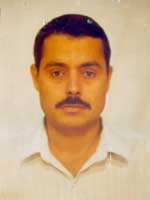
After the invasion, Atwah purportedly planted landmines and defensive measures around Kandahar airport and fought in defense of the city along with Saif al-Adel’s forces59. In fact, during the height of the engagements he was alongside Abdulaziz al-Muqrin, the future commander of al-Qaida’s Arabian franchise, and the two faced and narrowly avoided death together from a US bombing raid, only to survive and reconvene with their peers60.
He fled into Pakistan and eventually rejoined al-Qaida officials in Pakistan’s Federally Administrated Tribal Areas. He was directly connected to Abdulhadi al-Iraqi’s insurgent operations based out of these tribal agencies61. It was at this point that he began diligently training the militants in the region in explosives62. In 2003, Atwah was known to be in the Shakai Valley of South Waziristan with Abdulhadi and his militants, training operatives in explosives for operations within Pakistan, Afghanistan, and also abroad63. Among those he trained was Khalid Sheikh Mohamed’s British operative Abu Issa al-Hindi (Dhiren Barot)64. After the attempted Pakistani expulsion of these militants from South Waziristan in 2004, several of the senior operatives were forced to displace to another agency. As such, Hamza Rabia and Atwah both proceeded on the arduous trek to safety and came to North Waziristan, reestablishing and rejuvenating the al-Qaida training and operational foundation65. Atwah was instrumental in preparing, instructed, outfitting bombers, and assembling their devices in the region66.
Atwah found himself involved in internal political decisions as well. In fact, he and his companion Abu al-Hassan al-Masri were among those who voted to oppose Abdulhadi al-Iraqi being redeployed to a leadership or advisory role in the Iraqi insurgency, due to their concerns about his character and abilities67. As an alternative, al-Qaida internal manager Abu Faraj al-Libi suggested that external commander Hamza Rabia and Atwah be themselves deployed to Iraq to assume leadership and instruction positions within the insurgency68.
Instead, Atwah appears to have been cemented into the actual external operations division. Thus, a variety of infamous militants interacted with and trained with the Egyptian. One such was Pakistani Rashid Rauf, who was placed in North Waziristan under the auspices of external and paramilitary official Abu Ubaidah al-Masri and Atwah due to his occupation as master bombmaker69. In late 2005, he was also joined by Egyptian-Austrian operative Abdulrahman Hilal Hussain (later Abu Zubair al-Masri)70.
As a function of these relationships with Hamza Rabia, Abu Ubaidah, Rauf and others, Atwah was implicated in the London transit bombings of July 7, 2005. The plot itself revolved around backpack bombs containing hydrogen peroxide powder explosives, as developed by Atwah71.
Another operation linked to Atwah was the March 2006 bombing of the US consulate in Karachi, which resulted in the death of one American diplomat, David Foy. In al-Qaida releases, the suicide bomber utilized in the attack was alluded to as one Othman al-Pakistani, who was trained and outfitted with his device by Atwah72.
Atwah also endeavored on the 2006 transatlantic bomb plot with Abdulrahman Hilal Hussain and Rauf, which revolved around liquid explosives on airplanes73. Atwah had determined that the hydrogen peroxide powder based bombs of July 2005 were not entirely reliable, and was laboring on a new undetectable liquid explosive based on hydrogen peroxide74. Atwah developed a fondness for Hussain and referred to him as Waqas during their time together, providing an example of just the type of dangerous pupil crafted by the Egyptian expert75. Atwah’s focus was on this project in April 2006, when fate rushed to meet him. Despite the death of Hamza Rabia and the airstrike in Damodola, the militants seemingly viewed their safehouses as havens, and assumed that the Americans and Pakistanis were unlikely to strike again.
A Raid for Abu Turab
While Atwah diligently labored on these projects, he and his men were still in close vicinity to a war theatre, and the Pakistani based combatants readily crossed the border to engage with US and coalition forces, only to flee again across the line. As a contingent of militants egressed from Afghanistan into the Shawal valley of North Waziristan, they engaged a Pakistani military post, murdering four soldiers, before a counter move by the Pakistanis captured nineteen assailants76. Interrogators extracted from the men among other intelligence, the origins of their weapons: A purported Egyptian Arab they named as Abu Turab, based in the village of Anghar77. Abu Turab it seemed was encamped in the guestroom of a local villager with his men78. The Pakistanis thus launched an operation to respond to the nuisance extremist.
As April 12 faded into April 13, two Pakistani Cobra attack helicopters descended upon the village of Anghar, North Waziristan, merely four miles north of Miranshah, with the goal of eliminating Abu Turab79. The relevant Egyptian in the compound in actuality was Atwah80. The assault appeared to be multifaceted with the helicopters, missiles, and eventual ground forces targeting Atwah’s facility in proximity to a madrassa in the village81. Atwah perished alongside of four to six of his men in the domicile and explosives manufactory82. In addition, two vehicles containing more explosives were destroyed, and a separate home was damaged resulting in the demise of four villagers83.
Of note, the Punjabi senior militant Abu Turab al-Pakistani perished in the raid84. This raised the surety that the Abu Turab sought after by the Pakistanis was a conflation of Atwah and the Pakistani operative. Abu Turab was remembered by al-Qaida and their as-Sahab media productions at least twice, including the June 19, 2007 “Winds of Paradise,” video issuance85. As a Punjabi, his youth found him seeking jihad within his homeland86. Thus, Abu Turab fought in Kashmir against the Indians before transplanting to Afghanistan and becoming a respected senior therein87. He was given a command position along the Kabul front against the Northern Alliance, one in which he gained the respect of his subordinates, including his own eventual eulogist Abu Ubaidah al-Maqdisi88. Beforelong he was dispatched by the Taliban as part of bin Laden’s Brigade 55 with a contingent of Afghani, Pakistani, and Arab forces to Takhar province and the Khwaja Ghar front line89. Specifically, he commanded the so-called Bilal Center (position – possibly a rear guard) at Khwaja Ghar, and was confirmed there by witness statements from Guantanamo detainees90. In terms of his rank within the unit, Abu Turab reported to Abdulsalam al-Hadhrami, the commander of the Khwaja Ghar and Kunduz front line, who himself reported directly to Abdulhadi al-Iraqi, the overall captain of Brigade 5591. Abu Turab avoided the desperate violence and massacres of those fronts during the American invasion, due to the fact that he was wounded engaging the Northern Alliance in late September 200192. He too eventually fled to the Pashtun areas of Pakistan, and in Bannu, was deployed by the infamous Abu Zubaydah to ransom some of his associates from their captors in Jalalabad93. Despite an approximate two year absence from the war theatre in the early aughts, he inevitably rejoined his companions in the FATA, and was appointed as the deputy commander of a contingent of militants94. He was described as intimately involved in their operations, both in preparation and perpetration95. In this capacity, in April 2006, as he conducted these forays, he took respite at Atwah’s external operations compound, thus matching the reports that an Abu Turab was responsible for the engagements with Pakistani forces96. As a cruel twist for the Punjabi, he apparently had no intention of remaining the night in the compound, but had accidentally abandoned his weapon within, which forced his return and decision to camp within97.
The Mystery of the Deputy
Another of those killed alongside of Atwah was Hamza Rabia’s former second and explosives expert, Abu Bakr al-Suri98. He was noted to be Atwah’s primary assistant99.
Interestingly, al-Qaida eulogies specify the young jihadist Abu Bakr al-Iraqi among those slain100. His parents had brought him to Afghanistan for schooling at a young age101. Born in Fallujah in 1988, he resided first in Peshawar and then in Kabul102. After the commencement of the American invasion, he he fled to Pakistan103. Eventually, the youthful militant made his way to the training infrastructure of the FATA and joined with Atwah and his extended staff104.

In fact, Abu Bakr, at 18, was described as working with external operations, and specifically being assigned to Atwah105. By default, he would have been associated with external operations commander Hamza Rabia, as Atwah and his fellow Egyptian were known to have migrated to North Waziristan together106, and continued to conspire on these types of plots107. It is entirely possible that Abu Bakr al-Iraqi and Abu Bakr al-Suri are conflated personalities or the same individual. It is interesting to note that the al-Qaida document “Martyrs in a Time of Alienation,” which intricately details the lives of 120 slain militants during the years 2002 – 2006, makes no mention of Abu Bakr al-Suri perishing, despite transcribing the losses of other jihadists ranging from senior ranking to common militant108. The document does however quote Abu Bakr al-Suri, extolling the merits of deceased militant Abu al-Walid al-Mauritani, a lieutenant to Abu Laith al-Libi, slain in battle at Shinkay109. Captured al-Qaida internal manager Abu Faraj al-Libi claimed that Abu Bakr al-Suri was Hamza Rabia’s assistant; using their shared home as a compound from which external operations were planned110. Another apprehended operative, Hassan Ghul, asserted that Abu Bakr al-Suri led instruction on electronics from this same domicile in late 2003, and was active with Rabia in plotting the assassination attempts on Pakistani President Pervez Musharraf111. Thus, it would be odd for the militant panegyrist document to omit the Syrian, given that Atwah, Rabia, and so many others were eulogized within112.
Abu Bakr al-Iraqi however, was given a formal profile, one that declared his age, and history. After Kabul fell in November 2001, the Iraqi fled to Punjab and remained for almost two years, before finding his way to the FATA, training and indoctrinating into the militant ranks113. He was stated to be assigned originally to Egyptian Abu Abdulrahman BM (Sami Tufankashi), prior to gaining enough experience to enter the entourage of Atwah114. Therefore, it would be unlikely that the young Iraqi, who would have been approximately 15 in November 2003, would have been the individual teaching electronics classes in South Waziristan as observed by Hassan Ghul. Despite this, the Iraqi’s eulogy specifically makes mention of his training in electronics115. With the Syrian’s omission and Iraqi’s inclusion in the eulogies, it must be noted that further internal al-Qaida communication makes casual mention of Abu Bakr al-Suri and the fact that he is deceased. Bin Laden’s Saudi son in law Abdullah al-Halabi (Mohamed Abdullah Hassan Abu Khair) referenced his own marriage proposal to Tufankashi’s daughter before receiving the subsequent rejection from the Egyptian’s family and the family of Abu Bakr al-Suri, who Halabi indicated was deceased, thus implying perhaps that the Syrian was married to the daughter prior to his demise 116. In January 2007, during a hearing for the US House Permanent Select Committee on Intelligence Annual Threat Assessment, Texas Congressman Silvestre Reyes openly declared that Atwah and Abu Bakr al-Suri, whom he asserted were primary al-Qaida explosive manufacturers, were killed in the April raid117. The only other Abu Bakr al-Suri mentioned in al-Qaida related documents is one who was stated to be the chair of the al-Wafa charity organization (a purported militant front network) within Kandahar118. In the end, it is difficult to actually determine if Abu Bakr al-Suri and Abu Bakr al-Iraqi are different personalities or the same. The House Committee was willing to maintain that Suri was of extreme importance and was assassinated. It is entirely possible that the deceased militant was the 18 year old Iraqi, who albeit dangerous, represented more of the potential for advanced militancy than the current manifestation thereof.
While the identity of the Abu Bakr slain was difficult to ascertain, the confirmation of Atwah’s demise was precise. Initially, with the villagers buried nearby their own homes, authorities reported with certainty that the foreign fighters’ remains were not able to be recovered119.
Confirmed By DNA
Yet this proved to be not entirely true. In October 2006, the FBI performed an oddity, by proclaiming that Atwah was indeed dead, as confirmed by DNA testing120. This must indicate that either the Americans were directly involved with the raid from the beginning and recovered remains, or that the Pakistanis had in fact recovered the body of their target in order to provide a sample to the FBI. This itself displays coordination, intelligence sharing, and cooperation between the two nations and their military apparatus. The Americans successfully eliminated a major target of their counter-terror campaign, and despite the collateral damages, were able to declare a victory without accompanying negative press, due to the Pakistani direct involvement in the operation. It has to be emphasized that the collection of remains in the aftermath of a military operation or drone strike was not to be normalized and that this instance was an anamoly in the overall drone war. Thus, the efforts to obtain biological evidence was a risk and rarity, but offered the absolute proof of American involvement. It also displayed that the Americans needed certainty in their success, after the misinformation and false reports that stemmed from the previous Damodola airstrike.
Militants acknowledged the wanted Egyptian’s demise much earlier, in late April, when Abdullah Said al-Libi, a senior lieutenant to paramilitary captain Abu Laith al-Libi, publicly lamented the loss of Atwah121. The Libyan cited a long working relationship and friendship with Atwah, having began in 1989 at the early iteration of the al-Faruq training camp in Afghanistan, and offered condolences to al-Qaida122. The Libyan Atiyah Abdulrahman (Sheikh Mahmud al-Libi) also penned an early eulogy for Atwah123. Thus, there was previous evidence of the death without the supporting DNA analysis. Internal al-Qaida communications referenced the event and attributed blame to the insurgents remaining and camping temporarily at Atwah’s compound, despite the fact that the location was compromised by the previously captured militants124. Thus responsbility seems to have been placed on Abu Turab for drawing attention to the residence and for the occupants as a whole for not appropriately displacing once they confirmed that they were in danger125. This internal communication refers to this incident as the “Dewidar” operation, and appears to reference an additional surname held by Atwah126, which was in fact listed in his UN Security Council Sanctions designation: Muhsin Musa Matwalli Atwah Dewidar127.
Atwah’s demise, as well as that of his assistant, dented the al-Qaida capacity in the region, even if but temporarily. Furthermore, justice for the victims of the Embassy bombings, COLE attack, and other atrocities was achieved with Atwah’s assassination. Yet, due to his position as an instructor, those under his tutelage persevered.
One such for example, the Austrian-Egyptian Waqas, was horrified upon arrival at Atwah’s North Waziristan de facto laboratory he labored within, to realize that he had lost his mentor and superior128. Atwah, with prudence, had taught his skills to Waqas and others, allowing them to continue to conspire. They too were of grave concern to the Pakistanis and Americans. Yet for the revamped initiative in the spring of 2006, the focus appeared to be on those better known operatives, many of whom were inaccurately assumed deceased at Damodola. One such was an enigmatic Syrian.
Marwan Hadid al-Suri
Despite the reports at the time, Marwan Hadid al-Suri was not neutralized in the Damodola incident. He was the purported overseer of al-Qaida militants in Bajaur province, the northernmost of the FATA, and further removed from al-Qaida central command in North Waziristan. Occurring just days after the Atwah assassination, al-Qaida officials in the tribal region were on edge when the Syrian stumbled into and engaged with authorities. When approaching a Pakistani security checkpoint in Bajaur on April 20, 2006, Marwan Hadid al-Suri opened fire as opposed to submitting. The exchange of fire was brief, but resulted in the deaths of both a Pakistani security officer and the Syrian129. He was discovered to be in possession of weapons, electronics equipment, and documents130. These documents included a handwritten diary and ledger revealing him to have been integral in al-Qaida funds and compensation to jihadists’ families131. Among those that he tracked payments to were the families of Abu Musab al-Zarqawi, leading the al-Qaida franchise in Iraq, paramilitary commander Abduhadi al-Iraqi, and the Egyptian militant fighting in Kunar, Afghanistan, Abu Ikhlas al-Masri132. This confirmed that the Syrian was not only prominent in al-Qaida’s Bajaur agency refuge, but was also directing assistance to the resistance across the border in Kunar under Abu Ikhlas.
The 38 year old’s corpse was taken to Peshawar for identification, but the Pakistanis immediately celebrated the death as a major victory133. Undoubtedly after the embarrassment of Damodola, the Americans were relieved to actually have the demise of a senior member of the network, and to have recovered the documents. Al-Qaida families were being paid up to $2500 per three months, plus $500 per child per three months according to the confiscated ledger134. Pakistani officials acknowledged that Marwan Hadid had trained at al-Faruq, and himself became a trainer in explosives, as evidenced by bomb constructing documents found with him135 – [A]. Additionally, an operative utilizing this alias was associated with chemical weapons, according to Guantanamo detainees136. Having married into a family from Jalalabad, Marwan Hadid displaced to Bajaur in order to oversee operations against US forces in Kunar, as stated by the courier Harun al-Afghani137. Despite not having been killed in Damodola, Marwan Hadid carried audio recordings of the funerals of his slain compatriots138. Yet it must be noted that the 2008 published martyrdom document “Martyrs in a Time of Alienation” did not include Marwan Hadid al-Suri among the dead, even though it covered a time period of 2002-2006 – [B]. By contrast, as mentioned above, Atwah’s death, from the week prior was examined within the publication139.
One piece of evidence which seemingly confirms the Syrian’s fall, was the subsequent assassination of one the police officers involved in the gunfight. In July, three months after the engagement, officer Tariq Ali Zamin became the prey of two assailants on motorcycles near Khar, Bajaur. They approached and fired into the officer’s vehicle, striking him in the head and killing him140. Undoubtedly, this was a repercussion for the death of Marwan Hadid al-Suri, as just prior to the motorcycle assault, Zamin was the recipient of burial shrouds delivered to taunt him, and a threatening letter appearing at his outpost141. The message simply stated: “You have taken part in an operation against true mujahidin and you will not live142.” At least three of the police participants in the checkpoint exchange were eventually slain143.
The certain removal of Atwah from the theatre and the potential elimination of the Syrian provided an auspicious start to a new initiative as led by the Pakistanis to combat the jihadist scourge within their borders. However, it was not destined to persist, and direct American intervention via drone strike was to become the normal maneuver in the region in the months and years to come. Increasingly, the US was forced to react and launch attacks against the Pakistani support networks that provided an infrastructure and haven from which al-Qaida was allowed to operate.
CITATIONS and SUBSTANTIVE NOTES:
- [A] Although purely speculative, it is worth noting that Marwan Hadid al-Suri was assigned by Abu Ubaidah al-Masri to instruct London bombers Mohamed Siddique Khan and Shehzad Tanweer in hydrogen peroxide explosives, thus providing a possible alternate alias for Abu Bakr al-Suri, the known explosives expert144. If the two were indeed the same, then the demise of Abu Bakr as reported by the Americans, would be explained, considering he is not explicitly listed by al-Qaida among those slain with Atwah. This still does not account for the absence of both Abu Bakr al-Suri and Marwan Hadid al-Suri from al-Qaida eulogies.
- [B] Editor of the Long War Journal Bill Roggio, explained in a brief exchange with this author in November 2011 that his sources were skeptical of the reports of Marwan Hadid al-Suri’s demise145. However, no further mention of this individual is apparent in jihadist propaganda or open reporting.
- FBI releases Most Wanted Terrorist List, FBI Press Release and Most Wanted Poster for Muhsin Musa Matwalli Atwah, October 10, 2001, https://www.upi.com/News_Photos/view/upi/3e5d28783f05e3fe0981ac44ee4ff1b6/FBI-releases-Most-Wanted-Terrorist-List/ ↩︎
- Al Qaeda in the Tribal Areas of Pakistan and Beyond, by Rohan Gunaratna and Anders Nielsen, Studies in Conflict & Terrorism, Volume 31, Issue 9, December 30, 2008 ↩︎
- Martyrs in a Time of Alienation, by Abu Ubaidah al-Maqdisi (Abdullah al-Adam), (book of 120 deceased militant biographies from the Khorasan theatre), 2008 ↩︎
- Martyrs in a Time of Alienation, by Abu Ubaidah al-Maqdisi (Abdullah al-Adam), (book of 120 deceased militant biographies from the Khorasan theatre), 2008 ↩︎
- Martyrs in a Time of Alienation, by Abu Ubaidah al-Maqdisi (Abdullah al-Adam), (book of 120 deceased militant biographies from the Khorasan theatre), 2008 ↩︎
- Martyrs in a Time of Alienation, by Abu Ubaidah al-Maqdisi (Abdullah al-Adam), (book of 120 deceased militant biographies from the Khorasan theatre), 2008 ↩︎
- Martyrs in a Time of Alienation, by Abu Ubaidah al-Maqdisi (Abdullah al-Adam), (book of 120 deceased militant biographies from the Khorasan theatre), 2008 ↩︎
- Martyrs in a Time of Alienation, by Abu Ubaidah al-Maqdisi (Abdullah al-Adam), (book of 120 deceased militant biographies from the Khorasan theatre), 2008 ↩︎
- Martyrs in a Time of Alienation, by Abu Ubaidah al-Maqdisi (Abdullah al-Adam), (book of 120 deceased militant biographies from the Khorasan theatre), 2008 ↩︎
- Martyrs in a Time of Alienation, by Abu Ubaidah al-Maqdisi (Abdullah al-Adam), (book of 120 deceased militant biographies from the Khorasan theatre), 2008 ↩︎
- Evidence Collection, List of 170 Al-Qaida Members, recovered 2001 from home of Mohamed Atef, AFGP-2002-600046, translated August 7, 2002, https://www.justsecurity.org/wp-content/uploads/2015/01/Gov-exhibit.pdf ↩︎
- Updated List of al-Qaida members by location, AFGP-2002-600177, translated April 26, 2002 ↩︎
- Updated List of al-Qaida members by location, AFGP-2002-600177, translated April 26, 2002 ↩︎
- al-Harb `ala al-Islam: Qissat Fazul Harun, The War against Islam: the Story of Harun Fazul, Autobiography of Harun Fazul, February 2009 ↩︎
- Martyrs in a Time of Alienation, by Abu Ubaidah al-Maqdisi (Abdullah al-Adam), (book of 120 deceased militant biographies from the Khorasan theatre), 2008 ↩︎
- Martyrs in a Time of Alienation, by Abu Ubaidah al-Maqdisi (Abdullah al-Adam), (book of 120 deceased militant biographies from the Khorasan theatre), 2008 ↩︎
- United States District Court, Southern District of New York, USA v Osama bin Laden, et al, Day 12 Testimony of FBI Special Agent Anticev, February 28, 2001, https://linas.org/mirrors/cryptome.org/2001.11.13/usa-v-ubl-12.htm ↩︎
- US Embassy Bombings Indictment, United States District Court Southern District of New York, USA v Osama bin Laden, et al, May 8, 2000, https://www.justice.gov/archive/usao/nys/pressreleases/October12/ChargingDocs/Bin%20Laden.%20Usama%20S7%20Indictment.pdf ↩︎
- US Embassy Bombings Indictment, United States District Court Southern District of New York, USA v Osama bin Laden, et al, May 8, 2000, https://www.justice.gov/archive/usao/nys/pressreleases/October12/ChargingDocs/Bin%20Laden.%20Usama%20S7%20Indictment.pdf ↩︎
- Shabaab Claims Several al Qaeda Leaders Present During Infamous “Black Hawk Down” Incident, by Caleb Weiss, The Long War Journal, November 1, 2023, https://www.fdd.org/analysis/2023/11/01/shabaab-claims-several-al-qaeda-leaders-present-during-infamous-black-hawk-down-incident/ ↩︎
- Shabaab al-Mujadideen: Migration and Jihad in the Horn of Africa, by Evan F Kohlmann, NEFA Foundation, May 2009 ↩︎
- Martyrs in a Time of Alienation, by Abu Ubaidah al-Maqdisi (Abdullah al-Adam), (book of 120 deceased militant biographies from the Khorasan theatre), 2008 ↩︎
- Martyrs in a Time of Alienation, by Abu Ubaidah al-Maqdisi (Abdullah al-Adam), (book of 120 deceased militant biographies from the Khorasan theatre), 2008 ↩︎
- The Road to Nairobi and Dar Es Salaam, Abdullah Ahmed Abdullah (Abu Mohamed al-Masri), as-Sahab Media, August 2023 ↩︎
- The Road to Nairobi and Dar Es Salaam, Abdullah Ahmed Abdullah (Abu Mohamed al-Masri), as-Sahab Media, August 2023 ↩︎
- The Road to Nairobi and Dar Es Salaam, Abdullah Ahmed Abdullah (Abu Mohamed al-Masri), as-Sahab Media, August 2023 ↩︎
- The Road to Nairobi and Dar Es Salaam, Abdullah Ahmed Abdullah (Abu Mohamed al-Masri), as-Sahab Media, August 2023 ↩︎
- The Road to Nairobi and Dar Es Salaam, Abdullah Ahmed Abdullah (Abu Mohamed al-Masri), as-Sahab Media, August 2023 ↩︎
- The Road to Nairobi and Dar Es Salaam, Abdullah Ahmed Abdullah (Abu Mohamed al-Masri), as-Sahab Media, August 2023 ↩︎
- United States District Court, Southern District of New York, USA v Ahmed Khalfan Ghailani, January 21, 2011, https://casetext.com/case/us-v-ghailani-3 ↩︎
- United States District Court, Southern District of New York, USA v Osama bin Laden, et al, Day 12 Testimony of FBI Special Agent Anticev, February 28, 2001, https://linas.org/mirrors/cryptome.org/2001.11.13/usa-v-ubl-12.htm ↩︎
- United States District Court, Southern District of New York, USA v Ahmed Khalfan Ghailani, January 21, 2011, https://casetext.com/case/us-v-ghailani-3 ↩︎
- United States District Court, Southern District of New York, USA v Ahmed Khalfan Ghailani, January 21, 2011, https://casetext.com/case/us-v-ghailani-3 ↩︎
- United States District Court, Southern District of New York, USA v Ahmed Khalfan Ghailani, January 21, 2011, https://casetext.com/case/us-v-ghailani-3 ↩︎
- United States District Court, Southern District of New York, USA v Osama bin Laden, et al, Day 14 Testimony, March 7, 2001, https://linas.org/mirrors/cryptome.org/2001.11.13/usa-v-ubl-14.htm // United States District Court, Southern District of New York, USA v Osama bin Laden, et al, Day 19 Testimony, March 19, 2001, https://linas.org/mirrors/cryptome.org/2001.11.13/usa-v-ubl-19.htm ↩︎
- United States District Court, Southern District of New York, USA v Osama bin Laden, et al, Day 19 Testimony, March 19, 2001, https://linas.org/mirrors/cryptome.org/2001.11.13/usa-v-ubl-19.htm ↩︎
- Guantanamo Assessment File, Ahmed Khalfan Ghailani, ISN 10012, https://wikileaks.org/gitmo/prisoner/10012.html ↩︎
- Guantanamo Assessment File, Ahmed Khalfan Ghailani, ISN 10012, https://wikileaks.org/gitmo/prisoner/10012.html ↩︎
- United States District Court, Southern District of New York, USA v Osama bin Laden, et al, Day 14 Testimony, March 7, 2001, https://linas.org/mirrors/cryptome.org/2001.11.13/usa-v-ubl-14.htm ↩︎
- United States District Court, Southern District of New York, USA v Osama bin Laden, et al, Day 12 Testimony of FBI Spcial Agent Anticev, February 28, 2001, https://linas.org/mirrors/cryptome.org/2001.11.13/usa-v-ubl-12.htm ↩︎
- United States District Court, Southern District of New York, USA v Osama bin Laden, et al, Day 14 Testimony, March 7, 2001, https://linas.org/mirrors/cryptome.org/2001.11.13/usa-v-ubl-14.htm ↩︎
- United States District Court, Southern District of New York, USA v Osama bin Laden, et al, Day 12 Testimony of FBI Spcial Agent Anticev, February 28, 2001, https://linas.org/mirrors/cryptome.org/2001.11.13/usa-v-ubl-12.htm ↩︎
- United States District Court, Southern District of New York, USA v Ahmed Khalfan Ghailani, January 21, 2011, https://casetext.com/case/us-v-ghailani-3 ↩︎
- Shabaab al-Mujadideen: Migration and Jihad in the Horn of Africa, by Evan F Kohlmann, NEFA Foundation, May 2009 ↩︎
- Shabaab al-Mujadideen: Migration and Jihad in the Horn of Africa, by Evan F Kohlmann, NEFA Foundation, May 2009 ↩︎
- Evidence Collection, Statements of Salim Ahmed Hamdan (Saqar al-Jadawi) to the FBI, May 18, 2002 ↩︎
- Martyrs in a Time of Alienation, by Abu Ubaidah al-Maqdisi (Abdullah al-Adam), (book of 120 deceased militant biographies from the Khorasan theatre), 2008 ↩︎
- FBI Memo on history of al-Qaida, Special Agent Ali Soufan, November 12, 2002 ↩︎
- The Black Banners: The Inside Story of 911 and the War Against Al-Qaeda, Ali Soufan, W.W. Norton and Company, 2011 ↩︎
- The Black Banners: The Inside Story of 911 and the War Against Al-Qaeda, Ali Soufan, W.W. Norton and Company, 2011 // Evidence Collection, Statements of Salim Ahmed Hamdan (Saqar al-Jadawi) to the FBI, May 18, 2002 ↩︎
- FBI Terrorism Report for 2000/2001, https://www.fbi.gov/stats-services/publications/terror ↩︎
- A NATION CHALLENGED: THE HUNTED; The 22 Most Wanted Suspects, in a Five-Act Drama of Global Terror, The New York Times, October 14, 2001, https://www.nytimes.com/2001/10/14/world/nation-challenged-hunted-22-most-wanted-suspects-five-act-drama-global-terror.html ↩︎
- Guantanamo Assessment File, Tariq Mahmud Ahmed al-Sawah, ISN 535, https://wikileaks.org/gitmo/prisoner/535.html ↩︎
- Guantanamo Assessment File, Tariq Mahmud Ahmed al-Sawah, ISN 535, https://wikileaks.org/gitmo/prisoner/535.html ↩︎
- Guantanamo Assessment File, Tariq Mahmud Ahmed al-Sawah, ISN 535, https://wikileaks.org/gitmo/prisoner/535.html ↩︎
- Guantanamo Assessment File, Tariq Mahmud Ahmed al-Sawah, ISN 535, https://wikileaks.org/gitmo/prisoner/535.html ↩︎
- Guantanamo Assessment File, Tariq Mahmud Ahmed al-Sawah, ISN 535, https://wikileaks.org/gitmo/prisoner/535.html ↩︎
- The Black Banners: The Inside Story of 911 and the War Against Al-Qaeda, Ali Soufan, W.W. Norton and Company, 2011 // Evidence Collection, Statements of Salim Ahmed Hamdan (Saqar al-Jadawi) to the FBI, May 18, 2002 ↩︎
- Martyrs in a Time of Alienation, by Abu Ubaidah al-Maqdisi (Abdullah al-Adam), (book of 120 deceased militant biographies from the Khorasan theatre), 2008 ↩︎
- Martyrs in a Time of Alienation, by Abu Ubaidah al-Maqdisi (Abdullah al-Adam), (book of 120 deceased militant biographies from the Khorasan theatre), 2008 ↩︎
- United Nations Security Council Resolution 1267 Sanctions List, Nashwan Abdulrazzaq Abdulbaqi, Listed October 6, 2001, https://main.un.org/securitycouncil/en/sanctions/1267/aq_sanctions_list/summaries/individual/nashwan-abd-al-razzaq-abd-al-baqi ↩︎
- Martyrs in a Time of Alienation, by Abu Ubaidah al-Maqdisi (Abdullah al-Adam), (book of 120 deceased militant biographies from the Khorasan theatre), 2008 ↩︎
- Senate Select Committee on Intelligence, Committee Study of the CIA’s Detention and Interrogation Program, Executive Summary, December 13, 2012 ↩︎
- Senate Select Committee on Intelligence, Committee Study of the CIA’s Detention and Interrogation Program, Executive Summary, December 13, 2012 ↩︎
- Al Qaeda in the Tribal Areas of Pakistan and Beyond, by Rohan Gunaratna and Anders Nielsen, Studies in Conflict & Terrorism, Volume 31, Issue 9, December 30, 2008 ↩︎
- Martyrs in a Time of Alienation, by Abu Ubaidah al-Maqdisi (Abdullah al-Adam), (book of 120 deceased militant biographies from the Khorasan theatre), 2008 ↩︎
- Letter from Abu Faraj al-Libi to Bin Laden, dated October 18, 2004 ↩︎
- Letter from Abu Faraj al-Libi to Bin Laden, dated October 18, 2004 ↩︎
- Permanent Emergency: Inside the TSA and the Fight for the Future of American Security, by Kip Hawley and Nathan Means, St Martin’s Publishing Group, 2012 ↩︎
- Permanent Emergency: Inside the TSA and the Fight for the Future of American Security, by Kip Hawley and Nathan Means, St Martin’s Publishing Group, 2012 ↩︎
- A Biography of Rashid Rauf: Al-Qa`ida’s British Operative, CTC Sentinel, Vol 5, Issue 7, July 2012, https://ctc.westpoint.edu/a-biography-of-rashid-rauf-al-qaidas-british-operative/ ↩︎
- Martyrs in a Time of Alienation, by Abu Ubaidah al-Maqdisi (Abdullah al-Adam), (book of 120 deceased militant biographies from the Khorasan theatre), 2008 ↩︎
- Permanent Emergency: Inside the TSA and the Fight for the Future of American Security, by Kip Hawley and Nathan Means, St Martin’s Publishing Group, 2012 ↩︎
- Permanent Emergency: Inside the TSA and the Fight for the Future of American Security, by Kip Hawley and Nathan Means, St Martin’s Publishing Group, 2012 ↩︎
- Permanent Emergency: Inside the TSA and the Fight for the Future of American Security, by Kip Hawley and Nathan Means, St Martin’s Publishing Group, 2012 ↩︎
- Top Al Qaeda Man, 8 Others Killed in Raid, Dawn, April 14, 2006, https://www.dawn.com/news/187671/top-al-qaeda-man-8-others-killed-in-raid ↩︎
- Top Al Qaeda Man, 8 Others Killed in Raid, Dawn, April 14, 2006, https://www.dawn.com/news/187671/top-al-qaeda-man-8-others-killed-in-raid ↩︎
- Top Al Qaeda Man, 8 Others Killed in Raid, Dawn, April 14, 2006, https://www.dawn.com/news/187671/top-al-qaeda-man-8-others-killed-in-raid ↩︎
- Pakistan Says It Killed Man Tied to Al Qaeda Attacks, by Mohammed Khan and Carlotta Gall, The New York Times, April 13, 2006, https://www.nytimes.com/2006/04/13/world/pakistan-says-it-killed-man-tied-to-al-qaeda-attacks.html // Top Al Qaeda Man, 8 Others Killed in Raid, Dawn, April 14, 2006, https://www.dawn.com/news/187671/top-al-qaeda-man-8-others-killed-in-raid ↩︎
- Pakistan Says It Killed Man Tied to Al Qaeda Attacks, by Mohammed Khan and Carlotta Gall, The New York Times, April 13, 2006, https://www.nytimes.com/2006/04/13/world/pakistan-says-it-killed-man-tied-to-al-qaeda-attacks.html // Top Al Qaeda Man, 8 Others Killed in Raid, Dawn, April 14, 2006, https://www.dawn.com/news/187671/top-al-qaeda-man-8-others-killed-in-raid ↩︎
- Permanent Emergency: Inside the TSA and the Fight for the Future of American Security, by Kip Hawley and Nathan Means, St Martin’s Publishing Group, 2012 // Pakistan Says It Killed Man Tied to Al Qaeda Attacks, by Mohammed Khan and Carlotta Gall, The New York Times, April 13, 2006, https://www.nytimes.com/2006/04/13/world/pakistan-says-it-killed-man-tied-to-al-qaeda-attacks.html // Martyrs in a Time of Alienation, by Abu Ubaidah al-Maqdisi (Abdullah al-Adam), (book of 120 deceased militant biographies from the Khorasan theatre), 2008 ↩︎
- Pakistan Says It Killed Man Tied to Al Qaeda Attacks, by Mohammed Khan and Carlotta Gall, The New York Times, April 13, 2006, https://www.nytimes.com/2006/04/13/world/pakistan-says-it-killed-man-tied-to-al-qaeda-attacks.html // Top Al Qaeda Man, 8 Others Killed in Raid, Dawn, April 14, 2006, https://www.dawn.com/news/187671/top-al-qaeda-man-8-others-killed-in-raid ↩︎
- Top Al Qaeda Man, 8 Others Killed in Raid, Dawn, April 14, 2006, https://www.dawn.com/news/187671/top-al-qaeda-man-8-others-killed-in-raid ↩︎
- Martyrs in a Time of Alienation, by Abu Ubaidah al-Maqdisi (Abdullah al-Adam), (book of 120 deceased militant biographies from the Khorasan theatre), 2008 ↩︎
- Winds of Paradise I, (eulogies of “Martyrdom Seekers”), as-Sahab Media, July 15, 2007 ↩︎
- Martyrs in a Time of Alienation, by Abu Ubaidah al-Maqdisi (Abdullah al-Adam), (book of 120 deceased militant biographies from the Khorasan theatre), 2008 ↩︎
- Winds of Paradise I, (eulogies of “Martyrdom Seekers”), as-Sahab Media, July 15, 2007 ↩︎
- Guantanamo Assessment File, Adel Said al-Haj Busais, ISN 165, https://wikileaks.org/gitmo/prisoner/165.html // Martyrs in a Time of Alienation, by Abu Ubaidah al-Maqdisi (Abdullah al-Adam), (book of 120 deceased militant biographies from the Khorasan theatre), 2008 ↩︎
- Winds of Paradise I, (eulogies of “Martyrdom Seekers”), as-Sahab Media, July 15, 2007 // Guantanamo Assessment File, Salim Ahmed Hadi bin Kanad, ISN 131, https://wikileaks.org/gitmo/prisoner/131.html ↩︎
- Guantanamo Assessment File, Salim Ahmed Hadi bin Kanad, ISN 131, https://wikileaks.org/gitmo/prisoner/131.html ↩︎
- Guantanamo Assessment File, Salim Ahmed Hadi bin Kanad, ISN 131, https://wikileaks.org/gitmo/prisoner/131.html // Guantanamo Assessment File, Abdullah Hussain Saad al-Hazzani, ISN 370, https://wikileaks.org/gitmo/prisoner/370.html ↩︎
- Guantanamo Assessment File, Salim Ahmed Hadi bin Kanad, ISN 131, https://wikileaks.org/gitmo/prisoner/131.html ↩︎
- Martyrs in a Time of Alienation, by Abu Ubaidah al-Maqdisi (Abdullah al-Adam), (book of 120 deceased militant biographies from the Khorasan theatre), 2008 ↩︎
- Martyrs in a Time of Alienation, by Abu Ubaidah al-Maqdisi (Abdullah al-Adam), (book of 120 deceased militant biographies from the Khorasan theatre), 2008 ↩︎
- Martyrs in a Time of Alienation, by Abu Ubaidah al-Maqdisi (Abdullah al-Adam), (book of 120 deceased militant biographies from the Khorasan theatre), 2008 ↩︎
- Martyrs in a Time of Alienation, by Abu Ubaidah al-Maqdisi (Abdullah al-Adam), (book of 120 deceased militant biographies from the Khorasan theatre), 2008 // Top Al Qaeda Man, 8 Others Killed in Raid, Dawn, April 14, 2006, https://www.dawn.com/news/187671/top-al-qaeda-man-8-others-killed-in-raid ↩︎
- Martyrs in a Time of Alienation, by Abu Ubaidah al-Maqdisi (Abdullah al-Adam), (book of 120 deceased militant biographies from the Khorasan theatre), 2008 ↩︎
- Guantanamo Assessment File, Mustafa Faraj Mohamed al-Jadid al-Uzaibi (Abu Faraj al-Libi), ISN 10017, https://wikileaks.org/gitmo/prisoner/10017.html // Hearing of the House Permanent Select Committee on Intelligence Annual Threat Assessment, Chaired by Rep Silvestre Reyes (D-TX), January 18, 2007 ↩︎
- Permanent Emergency: Inside the TSA and the Fight for the Future of American Security, by Kip Hawley and Nathan Means, St Martin’s Publishing Group, 2012 ↩︎
- Martyrs in a Time of Alienation, by Abu Ubaidah al-Maqdisi (Abdullah al-Adam), (book of 120 deceased militant biographies from the Khorasan theatre), 2008 ↩︎
- Martyrs in a Time of Alienation, by Abu Ubaidah al-Maqdisi (Abdullah al-Adam), (book of 120 deceased militant biographies from the Khorasan theatre), 2008 ↩︎
- Martyrs in a Time of Alienation, by Abu Ubaidah al-Maqdisi (Abdullah al-Adam), (book of 120 deceased militant biographies from the Khorasan theatre), 2008 ↩︎
- Martyrs in a Time of Alienation, by Abu Ubaidah al-Maqdisi (Abdullah al-Adam), (book of 120 deceased militant biographies from the Khorasan theatre), 2008 ↩︎
- Martyrs in a Time of Alienation, by Abu Ubaidah al-Maqdisi (Abdullah al-Adam), (book of 120 deceased militant biographies from the Khorasan theatre), 2008 ↩︎
- Martyrs in a Time of Alienation, by Abu Ubaidah al-Maqdisi (Abdullah al-Adam), (book of 120 deceased militant biographies from the Khorasan theatre), 2008 ↩︎
- Al Qaeda in the Tribal Areas of Pakistan and Beyond, by Rohan Gunaratna and Anders Nielsen, Studies in Conflict & Terrorism, Volume 31, Issue 9, December 30, 2008 ↩︎
- Permanent Emergency: Inside the TSA and the Fight for the Future of American Security, by Kip Hawley and Nathan Means, St Martin’s Publishing Group, 2012 ↩︎
- Martyrs in a Time of Alienation, by Abu Ubaidah al-Maqdisi (Abdullah al-Adam), (book of 120 deceased militant biographies from the Khorasan theatre), 2008 ↩︎
- Martyrs in a Time of Alienation, by Abu Ubaidah al-Maqdisi (Abdullah al-Adam), (book of 120 deceased militant biographies from the Khorasan theatre), 2008 ↩︎
- Guantanamo Assessment File, Mustafa Faraj Mohamed al-Jadid al-Uzaibi (Abu Faraj al-Libi), ISN 10017, https://wikileaks.org/gitmo/prisoner/10017.html ↩︎
- Senate Select Committee on Intelligence, Committee Study of the CIA’s Detention and Interrogation Program, Executive Summary, December 13, 2012 ↩︎
- Martyrs in a Time of Alienation, by Abu Ubaidah al-Maqdisi (Abdullah al-Adam), (book of 120 deceased militant biographies from the Khorasan theatre), 2008 ↩︎
- Martyrs in a Time of Alienation, by Abu Ubaidah al-Maqdisi (Abdullah al-Adam), (book of 120 deceased militant biographies from the Khorasan theatre), 2008 ↩︎
- Martyrs in a Time of Alienation, by Abu Ubaidah al-Maqdisi (Abdullah al-Adam), (book of 120 deceased militant biographies from the Khorasan theatre), 2008 ↩︎
- Martyrs in a Time of Alienation, by Abu Ubaidah al-Maqdisi (Abdullah al-Adam), (book of 120 deceased militant biographies from the Khorasan theatre), 2008 ↩︎
- Letter to bin Laden from Abu Abdullah al-Halabi, “Letter to Sheikh from Abu Abdullah”, https://www.dni.gov/files/documents/ubl/english/Letter%20to%20Shaykh%20from%20Abu%20Abdallah.pdf ↩︎
- Hearing of the House Permanent Select Committee on Intelligence Annual Threat Assessment, Chaired by Rep Silvestre Reyes (D-TX), January 18, 2007 ↩︎
- Guantanamo Assessment File, Abdullah Ali Naif al-Muqati al-Otaibi, ISN 243, https://wikileaks.org/gitmo/prisoner/243.html // Guantanamo Assessment File, Jamal Mohamed Alawi al-Mari, ISN 577, https://wikileaks.org/gitmo/prisoner/577.html ↩︎
- Pakistan Says It Killed Man Tied to Al Qaeda Attacks, by Mohammed Khan and Carlotta Gall, The New York Times, April 13, 2006, https://www.nytimes.com/2006/04/13/world/pakistan-says-it-killed-man-tied-to-al-qaeda-attacks.html ↩︎
- One of FBI’s ‘Most Wanted Terrorists’ confirmed dead, by Henry Schuster, CNN News, October 24, 2006, https://www.cnn.com/2006/WORLD/asiapcf/10/24/alqaeda.operative/ ↩︎
- Abu al-Laith al-Libi, by Kevin Jackson, CTC Jihadi Bios Project, https://ctc.westpoint.edu/wp-content/uploads/2015/02/CTC_Abu-al-Layth-al-Libi-Jihadi-Bio-February2015-1.pdf ↩︎
- Abu al-Laith al-Libi, by Kevin Jackson, CTC Jihadi Bios Project, https://ctc.westpoint.edu/wp-content/uploads/2015/02/CTC_Abu-al-Layth-al-Libi-Jihadi-Bio-February2015-1.pdf ↩︎
- Martyrs in a Time of Alienation, by Abu Ubaidah al-Maqdisi (Abdullah al-Adam), (book of 120 deceased militant biographies from the Khorasan theatre), 2008 ↩︎
- Al-Qaida Internal Communique entitled “Lessons Learned Following The Fall of the Islamic Emirate,” https://www.dni.gov/files/documents/ubl/english/Lessons%20Learned%20Following%20the%20Fall%20of%20the%20Islamic%20Emirate.pdf ↩︎
- Al-Qaida Internal Communique entitled “Lessons Learned Following The Fall of the Islamic Emirate,” https://www.dni.gov/files/documents/ubl/english/Lessons%20Learned%20Following%20the%20Fall%20of%20the%20Islamic%20Emirate.pdf ↩︎
- Al-Qaida Internal Communique entitled “Lessons Learned Following The Fall of the Islamic Emirate,” https://www.dni.gov/files/documents/ubl/english/Lessons%20Learned%20Following%20the%20Fall%20of%20the%20Islamic%20Emirate.pdf ↩︎
- UN Security Council Al-Qaida Sanctions Committee Deletes Eight Individuals from Its Sanctions List, July 3, 2012, Muhsin Musa Matwalli Atwah, Listed Oct 17, 2001, https://press.un.org/en/2012/sc10697.doc.htm ↩︎
- Permanent Emergency: Inside the TSA and the Fight for the Future of American Security, by Kip Hawley and Nathan Means, St Martin’s Publishing Group, 2012 ↩︎
- Al Qaeda Suspect Killed in Pakistan, Al Jazeera News, April 21, 2006, https://www.aljazeera.com/news/2006/4/21/al-qaeda-suspect-killed-in-pakistan ↩︎
- Al Qaeda Suspect Killed in Pakistan, Al Jazeera News, April 21, 2006, https://www.aljazeera.com/news/2006/4/21/al-qaeda-suspect-killed-in-pakistan ↩︎
- Marwan was Al Qaeda’s Bagman: Official, by Ismail Khan, Dawn, April 22, 2006, https://www.dawn.com/news/188941/marwan-was-al-qaeda-s-bagman-official ↩︎
- Marwan was Al Qaeda’s Bagman: Official, by Ismail Khan, Dawn, April 22, 2006, https://www.dawn.com/news/188941/marwan-was-al-qaeda-s-bagman-official // Official: Syrian had ties to al-Qaida leadership, The Associated Press via NBC News, April 23, 2006, https://www.nbcnews.com/id/wbna12450366 ↩︎
- Al Qaeda Suspect Killed in Pakistan, Al Jazeera News, April 21, 2006, https://www.aljazeera.com/news/2006/4/21/al-qaeda-suspect-killed-in-pakistan // Official: Syrian had ties to al-Qaida leadership, The Associated Press via NBC News, April 23, 2006, https://www.nbcnews.com/id/wbna12450366 ↩︎
- Marwan was Al Qaeda’s Bagman: Official, by Ismail Khan, Dawn, April 22, 2006, https://www.dawn.com/news/188941/marwan-was-al-qaeda-s-bagman-official ↩︎
- Marwan was Al Qaeda’s Bagman: Official, by Ismail Khan, Dawn, April 22, 2006, https://www.dawn.com/news/188941/marwan-was-al-qaeda-s-bagman-official ↩︎
- Guantanamo Assessment File, Jamal Mohamed Alawi al-Mari, ISN 577, https://wikileaks.org/gitmo/prisoner/577.html // Guantanamo Assessment File, Ayman Said Batarfi, ISN 627, https://wikileaks.org/gitmo/prisoner/627.html ↩︎
- Guantanamo Detainee File, Harun Shirzad al-Afghani, ISN 1348, https://wikileaks.org/gitmo/prisoner/3148.html ↩︎
- Marwan was Al Qaeda’s Bagman: Official, by Ismail Khan, Dawn, April 22, 2006, https://www.dawn.com/news/188941/marwan-was-al-qaeda-s-bagman-official ↩︎
- Martyrs in a Time of Alienation, by Abu Ubaidah al-Maqdisi (Abdullah al-Adam), (book of 120 deceased militant biographies from the Khorasan theatre), 2008 ↩︎
- Al Qaeda Allies Stalk, Kill Pakistani Police, Reuters, July 20, 2006, https://www.oneindia.com/2006/07/19/al-qaeda-allies-stalk-kill-pakistani-police-1153387282.html ↩︎
- Al Qaeda Allies Stalk, Kill Pakistani Police, Reuters, July 20, 2006, https://www.oneindia.com/2006/07/19/al-qaeda-allies-stalk-kill-pakistani-police-1153387282.html ↩︎
- Al Qaeda Allies Stalk, Kill Pakistani Police, Reuters, July 20, 2006, https://www.oneindia.com/2006/07/19/al-qaeda-allies-stalk-kill-pakistani-police-1153387282.html ↩︎
- Al Qaeda Allies Stalk, Kill Pakistani Police, Reuters, July 20, 2006, https://www.oneindia.com/2006/07/19/al-qaeda-allies-stalk-kill-pakistani-police-1153387282.html ↩︎
- Documents give new details on al Qaeda’s London bombings, by Nic Robertson, Paul Cruickshank and Tim Lister, CNN, April 30, 2012, https://www.cnn.com/2012/04/30/world/al-qaeda-documents-london-bombings/index.html ↩︎
- Al Qaeda Only Has Two HVTs Left. Really, by Bill Roggio, The Threat Matrix – A Blog of The Long War Journal, November 23, 2011, https://www.longwarjournal.org/archives/2011/11/al_qaeda_only_has_two_hvts_lef.php ↩︎
© Copyright 2025 Nolan R Beasley
 Chronicles in Zealotry