
Khalid Sheikh Mohamed struggled to maintain an al-Qaida momentum in 2002, yet still had well placed assets both local and beyond. His subordinates the Rabbani brothers, continued to manage safehouses and facilitate the travel of al-Qaida members, operatives, and combatants through Pakistan1. The security situation being what it was, KSM was forced to utilize these locales, not just for safe passage or concealment, but for operational needs as well. Inexplicably, he would use them to foster plots against his own haven.
For the entirety of the Series, please see – https://chroniclesinzealotry.com/predators-of-the-khorasan/
The Palestinian and The Perfume Letter
KSM had plans for Pakistan even though he was covertly hiding within the nation and needed a reliable arena for his foreign operations, movement of operatives, and his safehouses. His primary operator in the nation, was the al-Faruq camp instructor Hamza al-Zubair, who was now based in Karachi2. Born Mohamed al-Faqih in Egypt, he was the offspring of Palestinian parents, thus various documents referred to him as Hamza al-Zubair al-Masri, or Hamza al-Zubair al-Filistini3. Zubair’s family, as refugees in Egypt, still managed well for themselves. His father and two brothers were lawyers, and Zubair was renowned for his martial arts capabilities before he too became a lawyer, working with his father4. However, Zubair was steadily radicalized and by 1991 decided to abandon his profession for jihad5. Zubair trained at al-Faruq and Jihad Wal, remaining in Afghanistan as a rising camp instructor, before marrying and starting his own family in 19986. He also participated in battles, joining Khalid Habib in leading an attack against Northern Alliance strongholds, for which he became immortalized, due to surviving and pressing through the mountain snow after the attack failed7. He was revered by his students at al-Faruq, noted for his intensity and knowledge8. After the invasion, he led his students into battle, defending Kandahar9. He reconnected with bin Laden in Kabul, participating in the retreat out of the capital, before crossing into the tribal agencies and finding his way to the Karachi safehouses10.
KSM gave orders to Hamza al-Zubair, in the beginning months of 2002, that established the Palestinian as in charge of attacking hotels in Karachi frequented by Americans and Europeans11. The inherent flaw here being that if Zubair acted, then the entire network in Karachi would be compromised.
As mentioned, the Karachi collection of safehouses was vital for KSM in his endeavors. The proprietor of these properties, Abdulrahim Ghulam Rabbani managed six such locations by 2002, safehouses for fleeing and actively operating al-Qaida members and affiliates12. By March 2002, Abdulrahim Ghulam Rabbani was residing in his Gulshan e Iqbal safehouse with seven others, to include Ramzi Binalshibh and Hamza al-Zubair13. Abdulrahim was ordered by KSM to rent a garage, while his brother Ahmed was to purchase vehicles14. Ahmed focused on acquiring two vans, large enough to cause significant damage15. Zubair then was to outfit the vehicles in the garage with explosives for the planned Karachi operation16. The Rabbanis were also responsible for acquiring the required explosives and for running surveillance of the hotels17. The Palestinian operated on a budget of up to $50,000 as allocated by KSM for the task18. This included $30,000 for vehicles alone19. In addition, KSM commissioned Abdulrahim Ghulam Rabbani to deliver a large amount of explosive detonators to operatives in Quetta and Karachi, presumably for eventual usage in operations20.
Ahmed Hakim Fawzan al-Qasim, known as Abdulbari al-Filistini, was a former Khaldan explosives instructor whom Abdulrahim Ghulam Rabbani knew as Abu Mugaira21. The Palestinian was transported by Rabbani to one of his safehouses in order to construct remote detonated explosive devices, in this case hidden inside SEGA video game cartridges22. Abdulbari was deployed to KSM from Abu Zubaydah in March 2002, within the same operative package that included the failures Jose Padilla and Binyam Mohamed23. Abdulbari was obviously of much more value to the organization in the time since, transforming the cartridges into viable weaponry. Zubair and his men assisted with the construction of these devices, and production was prolific24. Almost 500 remote control firing devices for IEDs were manufactured therein, along with approximately 1400 timers25.
KSM continued to write to Zubair with authority, in order to ensure the attacks, including finalized orders later in the summer, with specifics pertaining to the usage of remote detonators and even poisons26. Believing that the Midway and Airport Hotels in Karachi housed movements of American soldiers, KSM wrote during May 2002, in what intelligence circles labeled the “Perfume Letter,” that Zubair was to use vehicle borne suicide bombers equipped with military grade explosives to attack the targets27. The letter also indicated that poisons and remotely detonated explosions could be used28. KSM encouraged Zubair to hurry and move the attack to a closer date29. KSM directly stated in the letter that he had the “green light” to strike the hotels, up to three instead of one, again indicating that he was receiving his orders from higher authorities30. Zubair, in addition to the Rabbanis, had several Arabs under his command at the time for the plot, and was also in close proximity to KSM protégé Ramzi Binalshibh31. One of his Arabs, Yemeni Ammar Abdullah Ali al-Dhalai was designated by Zubair to be one of the suicide bombers32.
The Yemenis in Karachi
Dhalai was a former bodyguard to bin Laden prior to the invasion33. He had fought in the Yemeni civil war, gaining experience as a combatant from the jihadist contingent that supported President Saleh and the northern government against the southern communist successionists34. After being disillusioned with the victor in the Saleh administration, Dhalai departed for training at Khaldan camp in 1997, but soon found himself in the circle of bin Laden, and offered his pledge of allegiance35. He returned to Yemen and attempted to join the jihad in Chechnya but was prevented due to the difficulties of that journey, and partook instead in the honor of guarding bin Laden back in Afghanistan36. He was also known to have facilitated the travel of other extremists into the al-Qaida fold, including his associate Zuhail al-Sharabi, the 9/11 plot coconspirator captured at Riyadh the Facilitator’s safehouse in February 200237.
Again, Dhalai returned to Yemen in order to marry, but was called back after the 9/11 attacks38. He fought in Kandahar before it fell, and again at Shah I Kot before fleeing to Pakistan39. Dhalai lamented to his friend Said Saleh al-Nashir (another of Zubair’s Yemenis), of the loss of their comrade, the Yemeni militant Abu Waqas, whom he believed to be in hiding after Kandahar fell40. Abu Waqas, was Adam Mohamed Ali al-Awaith, and was captured by Afghan forces after participating in taking over the second floor of the hospital within Kandahar in which he was held41. In fact, KSM received a letter and funds from Azmari al-Rahil, the primary militant commanding those barricaded within the facility42. For Dhalai, he faced a different fate. After a series of events in Afghanistan, he found himself with Zubair in Karachi, preparing for the mission43.
Zubair built a team of operatives from Yemeni al-Qaida combatants fleeing the war and ostensibly being facilitated homeward by KSM, only to end up in Karachi as part of the plot44. Not all of Zubair’s Yemenis were not as hardened as Dhalai though, and they had varying experiences during the initial stages of the invasion. Some were recent recruits, having arrived in 2001 for training at al-Faruq that was truncated by the war45. Most of their operational and battle experience was thus very limited. Some were trained by senior al-Faruq camp instructor Abdulqadus al-Bahraini46, but spent the initial stages of the war in a state of retreat47. Abu Malik al-Yemeni (Shawqi Balzuhair) fought at the Omar Saif Center and at Bagram along the frontlines48. Said Saleh al-Nashir was garrisoned at the Kandahar airport before retreating49. Others like Abu Huzaifa al-Sanaani (Hail Aziz al-Maythali), Abu Fida al-Yemeni (Bashir Nasir Ali al-Marwalah), and Ayub Murshid Ali Saleh (Hamam), had come to Afghanistan earlier, in 2000, and completed multiple courses of training at al-Faruq and other camps50. Maythali even received advanced training at the Kandahar airport complex under Saif al-Adel and was stationed with Brigade 55 under FBI wanted militant Mustafa Fadhil in a reserve unit on the frontlines51. For two months prior to 9/11 he was assigned as a bin Laden bodyguard in Kandahar at the Mall Six compound52. Ayub Murshid received additional training in artillery and first aid53. Marwalah’s training was interrupted by the COLE bombing, but he completed training elsewhere at the Malik Military Center (or Camp Nine), before returning to Yemen and completing nursing school54. Yet the call of jihad was too much, and he relapsed into fanaticism. Although his family forbade his travels, he was assisted financially and with documents by Ammar al-Dhalai was able to reconvene with his militant brethren in Afghanistan and receive advanced instruction at al-Faruq55. He too fought between the Omar Saif Center and Bagram on the frontlines before retreating through Zormat and into Pakistan.
Their intentions were to return to Yemen as opposed to stay and wage war. However, KSM and Zubair worked with what they had and thus utilized these Arabs trapped in the network of guesthouses. Two Yemenis from the cell, Shawqi Balzuhair and Said Saleh Nashir had fled the hostilities with the aim of returning to Yemen and found themselves in Karachi by March 200256. Dhalai having fled from Shah I Kot was also in Karachi with the intent of returning home57. From there they migrated to Chabahar, Iran, alongside of Abu Hafs al-Mauritani58. Another cell member, Musab al-Mudwani fled to Chabahar from Lahore, facilitated by Abu Yasir al-Jaziri59. Hail Aziz al-Maythali also fled through Lahore to Iran60. Ayub Murshid Ali Saleh fled from the Hamza al-Quaiti Guesthouse in Kabul after the invasion and was assisted in Karachi by Riyadh the Facilitator alongside Abdulrahim al-Nashiri, before attempting to cross Iran61. Security sweeps in the country forced the Yemenis to eventually return to Karachi by July, and precipitated their incorporation into Zubair’s cell62. All were sworn al-Qaida members, and thus viable operatives63. Marwalah was unique however, in that he remained in Karachi after fleeing through North Wazirsitan and Lahore, and never attempted the journey home through Iran or elsewhere64. It was in Marwalah, thus, that Zubair found his second candidate to be a suicide bomber for the plot in addition to Dhalai65.
The cell was well cared for, not just by the Rabbanis, but were also frequently checked upon by Walid bin Attash (Khallad) and Ammar al-Baluchi, who acted as their contacts with the outside66. Approximately twice a month, they brought supplies, clothing and funds to the group67. Ahmed Ghulam Rabbani had actually physically transported the Yemenis to this new location68. Bin Attash was dispatched to convince these al-Qaida militants to become suicide operatives for KSM69. Selecting and providing the operatives was his responsibility, perhaps due to their shared Yemeni heritage70. Baluchi had helped refine the plotting with Zubair, which had originally constituted not just hotels as targets, but an airport and the US Consulate in Karachi71. While Zubair focused on the hotels, KSM assigned Baluchi to work with bin Attash on the Consulate plot, in September 200272. Other operatives came through these safehouses even while the cell was plotting their nefarious acts. These included Ahmed Khalfan al-Ghailani, who was briefly stashed with Yemeni plotters and impending suicide assailants, Dhalai and Marwalah, before moving onward73. Marwalah was even privy to secure communication between KSM, Binalshibh, and some of their men traversing the network of safehouses, as he was supposed to destroy these sensitive orders after delivering74.
Searching for Hassan Ghul

Infamous militant operative Abu Zubaydah, after his wounding and capture by American and Pakistani authorities at a Faisalabad safehouse in March 200275, identified KSM as “Mukhtar” to the FBI on April 10, 2002, while still in an Intensive Care Unit76. In the aftermath of 9/11, bin Laden referenced “Mukhtar” as implicated in the plot77. In fact, the CIA began researching the identity of Mukhtar as early as April 200178. Confirmation was obtained from Abu Zubaydah, as further, he named KSM as the commander of the 9/11 attacks and of all external plots for al-Qaida79. Throughout the summer, Abu Zubaydah continued to provide information on his personal contacts and potential militant facilitators. One such was an al-Qaida logistician, known for facilitating travel of operatives and militants, having worked as an aide to Abu Zubaydah, and who was involved with a program in 2001 deemed to be related to terrorist operations80. He was a Pakistani named Hassan Ghul, and Abu Zubaydah is said to have spoken of him at length, creating for the Pakistanis and Americans a target for future interrogations. Ghul was known to facilitate travel of Saudi fighters via Pakistan, fundraise, and to be closely aligned with known al-Qaida and associates to include Abu Musab al-Zarqawi and the Egyptian Hamza Rabia81. In fact, the raid that captured Abu Zubaydah was initially designed because the location was associated with Ghul82. The Pakistanis through the summer began to home in on Ghul, raiding a friend’s house, only to learn that the friend had already reported on Ghul to the authorities and received threats from al-Qaida in response83. Nonetheless, this associate believed Ghul and his cadre were still operating in Karachi. The Pakistanis and Americans were adamant in their efforts to locate the operative, and via information from the friend were able to raid a safehouse once used by KSM that Ghul had apparently frequented as recently as December 2001. Although it was empty, the CIA felt they were getting closer84. The Pakistanis and the CIA continued to harass or at least recommend harassment and surveillance of the friend in order to get closer to Ghul, even though the relationship between the two was already broken85. Abu Zubaydah later reported on the friend as a way to potentially find Ghul, but this was well after the Pakistanis had taken custody of the associate86.
The CIA continued to pressure the Pakistanis to interview the subject and his family as the summer wore on. In fact, the Pakistanis eventually stated that they felt like the friend was contradicting himself at times and thus they reengaged87. One interview on September 9, found the Pakistanis speaking with a cooperative family member of the friend, who informed them of the location of an apartment that they suspected belonged to Hassan Ghul88. While the apartment was raided and found vacant, the Pakistanis suspected Hassan Ghul’s return, thus a stake out ensued. On September 10, Ahmed Ghulam Rabbani and his driver Mohamed Madni were arrested in a vehicle outside of the complex, with authorities believing Rabbani was the elusive Ghul89.
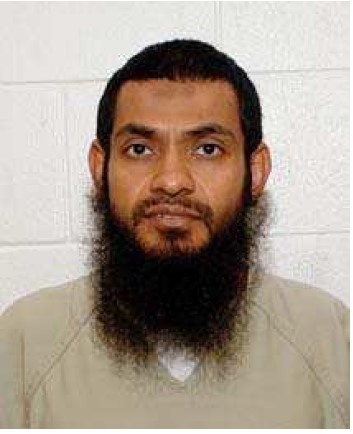
Rabbani was an al-Qaida facilitator who had endeavored directly for KSM and Mohamed Atef90. A citizen of Pakistan, he dwelled in Saudi Arabia for the first 23 years of his life, and was actually of Burmese heritage91. Having moved to Pakistan in 1991, he was instructed in arms at an al-Qaida camp in Khost, as well as Khaldan camp beginning in 1994, with the eventual goal of waging jihad in Burma (Myanmar)92. This drastic move in life followed his brother Abdulrahim’s deportation from Saudi Arabia in 1990 for various menial criminal offenses93. Rabbani settled for jihad in Kashmir but was apparently without the credentials needed to travel and conduct this mission successful, resulting in an arrest in Pakistan and spending portions of 1995-96 imprisoned94. After release, a fortuitous blizzard preempted his second attempt at reaching Kashmir and diverted him to Kandahar and al-Qaida95. By 1997 his role as a facilitator for al-Qaida was established, albeit without a bayat to bin Laden96. From there he absorbed his brother Abdulrahim into the enterprise in approximately 1999, sending him for training at Khaldan97. Now the Rabbani brothers’ network of safehouses were falling to the authorities.

Madni, the driver arrested with Rabbani on September 10, began to talk with authorities and informed them of several al-Qaida safehouses and residences98. He also gave up Rabbani’s brother during the interrogation99. The brother Abdulrahim, had been expelled from Khaldan for smoking, and bounced around locations, before being gathered by Rabbani and sent to care for wounded jihadists in Pakistan100. Eventually, through Rabbani, Abdulrahim met KSM and was assigned to cook and provide logistics for safehouses and waypoints101. He also rented the locations that became guesthouses, and was responsible for transporting resources to al-Qaida members in Afghanistan on behalf of KSM102. In these endeavors he met bin Laden, Zawahiri, and Atef on several occasions in Kandahar, including in June 2001103. Abdulrahim gained their trust and spoke with Abdulhadi al-Iraqi several times during these visits, who offered to enroll him into training again104. The Pakistanis moved to obtain custody of Abdulrahim Ghulam Rabbani also on September 10105. Incidentally, Abdulrahim was given funds that very day by Ammar al-Baluchi from KSM, in order to purchase a vehicle for Hamza al-Zubair to use as a weapon as per the previously discussed Karachi plot106. The results of the Rabbani arrests led to unexpected success and the disruption of the KSM plot.
The September Raids
As the raids commenced the following day on September 11, in an operation the Pakistanis suspected would net Hassan Ghul, they were astonished to disrupt the larger influential safehouse of extremists107. Initial raids acquired electrical equipment and switches, possibly utilized for explosives construction108. Ramzi Binalshibh was located in the Tariq Road safehouse with Hassan bin Attash109. Known as Omayr, he was the sibling of senior al-Qaida operative Walid bin Attash110. Having commenced training in 1997 at an extremely young age at Khaldan camp under the auspices of Abu Zubaydah and others, by 2002, Hassan bin Attash was well-experienced in advanced militant instruction111. As a senior militant’s brother, he swore allegiance to bin Laden, participated in his security detail, and was eventually deployed to Karachi alongside Abdulrahim al-Nashiri as an aide112. Hassan bin Attash desired to be an operative in one of Nashiri’s maritime plots, but was refused, probably due to his youth, and left behind in the guesthouse network113. He was evidently incorporated into the function of assisting in the manufacture and transport of remote controlled detonators for the insurgency114.
Binalshibh and bin Attash were captured by the authorities sweeping onto their position on the one year anniversary of 9/11, with one additional associate, the Yemeni operative Bashir Nasir Ali al-Marwalah, also apprehended115. Yet this was not a rapid arrest, as Binalshibh and his associates threatened suicide and held knives to their own throats116. Desiring to take them alive, the Pakistanis waited for four hours through these threats, before seizing an opportunity that resulted in taking the men alive117. Marwalah’s martyrdom statement, discovered at the house, indicated that he may have in fact been the other designated suicide operative in the Hotel plot118.


The Defense View safehouse (consisting of two apartments) was next raided on September 11119. This location contained Hamza al-Zubair and his Karachi cell to be utilized in the Hotel attacks120. Thus, the occupants of this safehouse were eight jihadists who chose to fight instead of surrender, resulting in an intense three hour gunbattle with Pakistani authorities121. After tossing four grenades in addition to ceaseless gunfire, the Pakistanis were able to kill two of the militants and apprehend the remaining five122. Several Pakistani security officers were wounded123. Captured after the gunfight were the Yemenis Shawqi Awad Balzuhair (Abu Malik al-Yemeni)124, Musab Omar Ali al-Mudwani (Abu Musab al-Yemeni)125, Hail Aziz Ahmed al-Maythali126, Said Saleh Said Nashir (Abu al-Fidal)127, and Saleh Ayub Murshid Ali al-Usabi128. Also, captured was the Pakistani caretaker of the safehouse, Saifurahman, known as Anas al-Pakistani129. Cell commander Hamza al-Zubair and would be suicide bomber Ammar al-Dhalai were the operatives killed130. Zubair was neutralized by a Pakistani security sniper, and his wounds were such that authorities initially believed him to be KSM131. However, despite this not being the case, the death of Zubair still represented a victory in preventing terrorism. Fittingly the man responsible for the upcoming attacks and his suicide operative were not taken alive. Over 20 radio detonators were discovered at this location after the raid, matching detonators discovered in Khost, Afghanistan on July 27, 2002132.


The raid on the Tariq Road safehouse also netted carefully stored passports belonging to bin Laden’s wives and children, indicating that this network of safehouses had assisted the emir’s family on their way to Iran133. Additional documents and detonators were discovered here134. A multitude of improvised devices were SEGA video game cartridges rigged as remote detonated explosives135. Lastly, two laptops were confiscated with hard drives containing aviation charts for potential usage by hijackers, and a wealth of information to assist in terroristic operations to include abductions, assassinations, guerilla tactics, and information on various weapons136. Binalshibh was the prize of the raid in terms of justice, but initially claimed to his captors that he was a Yemeni named Omar137. However, the Pakistanis, FBI, and CIA were well acquainted with the features of Binalshibh, especially given his martyrdom video, and thus his identity was quickly ascertained138.
The captives from both locations were rapidly transferred to American custody at the airport in Karachi, where they were then surreptitiously taken to Bagram Airbase139. For the six minor ranking Yemeni militants, known as the Karachi 6140, they were placed in CIA custody for at least 40 days for questioning prior to being transferred to Guantanamo Bay141. The younger bin Attash remained at CIA Black sites for over 590 days, before he too appeared in Guantanamo142 [A].
Fear encapsulated the KSM cell after the raids and botched plots in Karachi. Ammar al-Baluchi rushed to another location, a bomb manufacturing unit under Abdulbari al-Filistini, and ordered them to relocate143. Yet the fear was short-lived and minimal, as by October, Baluchi assumed responsibilities for planning and orchestrating Karachi based attacks144. These plots revolved around an original target, the US Consulate in Karachi145.
By October 2002, Ammar al-Baluchi was meeting with Pakistani weapons smugglers and explosives handlers for access to the required materials for future attacks in Pakistan146. He also assisted KSM in his attempt to strike American petroleum stations or oil refineries via the operative Majid Khan147. Baluchi was utilized in an effort to establish a front in order to import explosives onto American soil148. Despite the losses, KSM was able to find some distant success in the autumn.
FAILAKA ISLAND

October 2002 heralded various al-Qaida operations, to include the M/V Limburg bombing off the coast of Yemen, and an assault on US forces preparing for military maneuvers in the Middle East. KSM claimed direction of the latter. US Marines conducting a training exercise on Failaka Island, Kuwait on October 8, 2002, were subjected to brutality when two locals driving a truck and firing AK-47s ambushed an otherwise innocuous military routine149. The assailants were rapidly acknowledged as terrorists, and identified by the Kuwaitis as 21 year old Anas Ahmed Ibrahim al-Kandari and 26 year old Jasim Mubarak al-Hajiri150. The two were cousins who had already accumulated a wealth of jihadist experience151. Despite his youth, Anas al-Kandari was trained at a Libyan militant camp in Afghanistan152, where he was known as Hamza al-Kuwaiti153. Kandari initially traveled to Afghanistan in 2000 with friends Abdullah Kamal al-Kandari and Abdulrahman Jabarah154. This was the brother of Mohamed Jabarah (an important KSM asset), and a later participant in al-Qaida’s insurgency within Saudi Arabia155. While in Afghanistan, Kandari received advanced electronics and remote detonation education at a Libyan Islamic Fighting Group guesthouse in Kabul156. Kandari was a pupil in his middle school years of al-Qaida ideologue and spokesperson Sulaiman Abu Ghaith157. In fact, when Ghaith arrived in Kandahar in June 2001, Anas dined and visited with him more than once158. Kandari was dispatched to Kuwait during the week prior to 9/11, where he was swiftly apprehended, interrogated, and released to recommence his education at his University159. It is unknown to what extent KSM communicated with his Kuwaiti cell, but KSM did expressly take responsibility for the Failaka assault160. Further evidence of direct involvement was displayed in the reverence shown to Kandari and his action. Guantanamo detainees indicated that he was an operative of the utmost quality161. In addition, an al-Qaida issuance commemorating the first anniversary of the US invasion of Afghanistan, extolled and venerated Kandari and Hajiri on the same level as the 9/11 hijacker pilots162. After his arrival in Kuwait, Kandari became infuriated and disenchanted due to secular influences on Kuwaiti society163. The cell that he built in Kuwait for the planned attacks contained several extended family members including Sulaiman Jamal al-Kandari, Adnan Asad al-Kandari, and Ahmed Mohamed al-Kandari164. He gathered these and other likeminded individuals, propagandizing to them, repeating the teachings of bin Laden and Ghaith, and slowly constructing his cell165. From there, Kandari used one of his men to surveil the US military movements on Failaka Island, and prepared to utilize the ferry to approach and conduct his attack166. Having filmed his martyrdom statement the night prior, he and Hajiri dispatched to the island167.
On the day in question, the Marines of the 11th Marine Expeditionary Unit (MEU), having sailed to the Middle East aboard the US Navy amphibious vessel DENVER, were adjusting to their new excessively hot environ on Failaka Island, a locale they perceived as secure168. While taking a small respite from their combat training, some of the Marines began an impromptu baseball game, which was interrupted by the lethality of the ambush169. Lance Corporal Antonio Sledd of Tampa, Florida170, was gunned down, and wounded in the back171. During the subsequent surgery in Kuwait City, Sledd succumbed to his injuries172. Lance Corporal George Simpson of Ohio was also wounded in the arm during the incident173. Kandari and his accomplice rushed to a second location, a command post, to fire upon more Marines but were met with a lethal return volley of fire from the few Marines actually armed, and were neutralized174. The Kuwaitis acknowledged the cell, as well as Kandari and Hajiri having participated in training and hostilities in Afghanistan, but were reticent to admit further al-Qaida connections175. Later scholars acknowledged that Kandari and his men connected with at least one confirmed al-Qaida member176, providing the likely link to KSM and his machinations. In fact, the American government directly accused Muhsin al-Fadhli, a known Kuwaiti al-Qaida asset, of involvement with multiple Arabian terrorist operations, including the Failaka attack and the bombing of the M/V Limburg, thus providing an identity for the linkage177. It is worth noting that KSM did not claim the Limburg bombing, being overseen by Abdulrahim al-Nashiri and his men in the Arabian Peninsula [B], but did specifically take responsibility for the Failaka attack178, providing some credence to his proclamation.
The failure of the Karachi Perfume Letter plot represented another of the grandiose failures of KSM and his network, while the Failaka Island operation was an example of the modest and realistic missions within their capability. Yet Kandari and his men exemplified exactly how KSM was to be successful, by relying on far flung cells and networks established in other nations in order to perpetrate his will.
CITATIONS and SUBSTANTIVE NOTES:
- [A] Guantanamo Internment Serial Numbers for those captured are as follows: Binalshibh – ISN 10013, Hassan bin Attash – ISN 1456, Ahmed Ghulam Rabbani – ISN 1460, Abdulrahim Ghulam Rabbani – ISN 1461, Ayub Murshid – ISN 836, Marwalah – ISN 837, Balzuhair – ISN 838, Mudwani – ISN 839, Maythali – ISN 840, and Nashir – ISN 841.
- [B] See the Series: Fugitives of the Peninsula for more information on Nashiri, his men, and their plots, including the M/V Limburg bombing – https://chroniclesinzealotry.com/2024/08/28/series-fugitives-of-the-peninsula-chapter-3-the-impending-arabian-insurgency/
- Guantanamo Assessment File, Abdulrahim Ghulam Rabbani, ISN 1460, https://wikileaks.org/gitmo/prisoner/1460.html // Guantanamo Assessment File, Ahmed Ghulam Rabbani, ISN 1461, https://wikileaks.org/gitmo/prisoner/1461.html ↩︎
- Guantanamo Assessment File, Abdulrahim Ghulam Rabbani, ISN 1460, https://wikileaks.org/gitmo/prisoner/1460.html ↩︎
- Martyrs in a Time of Alienation, by Abu Ubaidah al-Maqdisi (Abdullah al-Adam), (book of 120 deceased militant biographies from the Khorasan theatre), 2008 // Guantanamo Assessment File, Bashir Nasir Ali al-Marwalah, ISN 837, https://wikileaks.org/gitmo/prisoner/837.html ↩︎
- Martyrs in a Time of Alienation, by Abu Ubaidah al-Maqdisi (Abdullah al-Adam), (book of 120 deceased militant biographies from the Khorasan theatre), 2008 ↩︎
- Martyrs in a Time of Alienation, by Abu Ubaidah al-Maqdisi (Abdullah al-Adam), (book of 120 deceased militant biographies from the Khorasan theatre), 2008 ↩︎
- Martyrs in a Time of Alienation, by Abu Ubaidah al-Maqdisi (Abdullah al-Adam), (book of 120 deceased militant biographies from the Khorasan theatre), 2008 ↩︎
- Martyrs in a Time of Alienation, by Abu Ubaidah al-Maqdisi (Abdullah al-Adam), (book of 120 deceased militant biographies from the Khorasan theatre), 2008 ↩︎
- Martyrs in a Time of Alienation, by Abu Ubaidah al-Maqdisi (Abdullah al-Adam), (book of 120 deceased militant biographies from the Khorasan theatre), 2008 ↩︎
- Martyrs in a Time of Alienation, by Abu Ubaidah al-Maqdisi (Abdullah al-Adam), (book of 120 deceased militant biographies from the Khorasan theatre), 2008 ↩︎
- Martyrs in a Time of Alienation, by Abu Ubaidah al-Maqdisi (Abdullah al-Adam), (book of 120 deceased militant biographies from the Khorasan theatre), 2008 ↩︎
- Guantanamo Assessment File, Abdulrahim Ghulam Rabbani, ISN 1460, https://wikileaks.org/gitmo/prisoner/1460.html ↩︎
- Guantanamo Assessment File, Abdulrahim Ghulam Rabbani, ISN 1460, https://wikileaks.org/gitmo/prisoner/1460.html ↩︎
- Guantanamo Assessment File, Abdulrahim Ghulam Rabbani, ISN 1460, https://wikileaks.org/gitmo/prisoner/1460.html ↩︎
- Guantanamo Assessment File, Abdulrahim Ghulam Rabbani, ISN 1460, https://wikileaks.org/gitmo/prisoner/1460.html ↩︎
- Guantanamo Assessment File, Ahmed Ghulam Rabbani, ISN 1461, https://wikileaks.org/gitmo/prisoner/1461.html ↩︎
- Guantanamo Assessment File, Abdulrahim Ghulam Rabbani, ISN 1460, https://wikileaks.org/gitmo/prisoner/1460.html ↩︎
- Guantanamo Assessment File, Ahmed Ghulam Rabbani, ISN 1461, https://wikileaks.org/gitmo/prisoner/1461.html ↩︎
- Guantanamo Assessment File, Abdulrahim Ghulam Rabbani, ISN 1460, https://wikileaks.org/gitmo/prisoner/1460.html ↩︎
- Guantanamo Assessment File, Said Saleh Said Nashir, ISN 841, https://wikileaks.org/gitmo/prisoner/841.html ↩︎
- Guantanamo Assessment File, Abdulrahim Ghulam Rabbani, ISN 1460, https://wikileaks.org/gitmo/prisoner/1460.html ↩︎
- Guantanamo Assessment File, Abdulrahim Ghulam Rabbani, ISN 1460, https://wikileaks.org/gitmo/prisoner/1460.html ↩︎
- Guantanamo Assessment File, Abdulrahim Ghulam Rabbani, ISN 1460, https://wikileaks.org/gitmo/prisoner/1460.html // Guantanamo Assessment File, Ahmed Ghulam Rabbani, ISN 1461, https://wikileaks.org/gitmo/prisoner/1461.html ↩︎
- Guantanamo Assessment File, Binyam Ahmed Mohamed, ISN 1458, https://wikileaks.org/gitmo/prisoner/1458.html ↩︎
- Guantanamo Assessment File, Said Saleh Said Nashir, ISN 841, https://wikileaks.org/gitmo/prisoner/841.html ↩︎
- Guantanamo Assessment File, Said Saleh Said Nashir, ISN 841, https://wikileaks.org/gitmo/prisoner/841.html ↩︎
- Guantanamo Assessment File, Abdulrahim Ghulam Rabbani, ISN 1460, https://wikileaks.org/gitmo/prisoner/1460.html ↩︎
- Guantanamo Assessment File, Abdulrahim Ghulam Rabbani, ISN 1460, https://wikileaks.org/gitmo/prisoner/1460.html // Senate Select Committee on Intelligence, Committee Study of the CIA’s Detention and Interrogation Program, Executive Summary, December 13, 2012 ↩︎
- Guantanamo Assessment File, Shawqi Awad Balzuhair, ISN 838, https://wikileaks.org/gitmo/prisoner/838.html ↩︎
- Guantanamo Assessment File, Ahmed Ghulam Rabbani, ISN 1461, https://wikileaks.org/gitmo/prisoner/1461.html ↩︎
- Senate Select Committee on Intelligence, Committee Study of the CIA’s Detention and Interrogation Program, Executive Summary, December 13, 2012 ↩︎
- Guantanamo Assessment File, Ahmed Ghulam Rabbani, ISN 1461, https://wikileaks.org/gitmo/prisoner/1461.html // Guantanamo Assessment File, Ramzi Binalshibh, ISN 10013, https://wikileaks.org/gitmo/prisoner/10013.html ↩︎
- Guantanamo Assessment File, Bashir Nasir Ali al-Marwalah, ISN 837, https://wikileaks.org/gitmo/prisoner/837.html ↩︎
- Guantanamo Assessment File, Shawqi Awad Balzuhair, ISN 838, https://wikileaks.org/gitmo/prisoner/838.html ↩︎
- Martyrs in a Time of Alienation, by Abu Ubaidah al-Maqdisi (Abdullah al-Adam), (book of 120 deceased militant biographies from the Khorasan theatre), 2008 ↩︎
- Martyrs in a Time of Alienation, by Abu Ubaidah al-Maqdisi (Abdullah al-Adam), (book of 120 deceased militant biographies from the Khorasan theatre), 2008 ↩︎
- Martyrs in a Time of Alienation, by Abu Ubaidah al-Maqdisi (Abdullah al-Adam), (book of 120 deceased militant biographies from the Khorasan theatre), 2008 ↩︎
- Guantanamo Assessment File, Zuhail Abdu Anam Said al-Sharabi, ISN 569, https://wikileaks.org/gitmo/prisoner/569.html ↩︎
- Martyrs in a Time of Alienation, by Abu Ubaidah al-Maqdisi (Abdullah al-Adam), (book of 120 deceased militant biographies from the Khorasan theatre), 2008 ↩︎
- Martyrs in a Time of Alienation, by Abu Ubaidah al-Maqdisi (Abdullah al-Adam), (book of 120 deceased militant biographies from the Khorasan theatre), 2008 ↩︎
- Guantanamo Assessment File, Adam Mohamed Ali al-Awaith, ISN 88, https://wikileaks.org/gitmo/prisoner/88.html ↩︎
- Guantanamo Assessment File, Adam Mohamed Ali al-Awaith, ISN 88, https://wikileaks.org/gitmo/prisoner/88.html ↩︎
- Guantanamo Assessment File, Majid Abdullah al-Judi, ISN 25, https://wikileaks.org/gitmo/prisoner/25.html ↩︎
- Martyrs in a Time of Alienation, by Abu Ubaidah al-Maqdisi (Abdullah al-Adam), (book of 120 deceased militant biographies from the Khorasan theatre), 2008 ↩︎
- Guantanamo Assessment File, Shawqi Awad Balzuhair, ISN 838, https://wikileaks.org/gitmo/prisoner/838.html // Guantanamo Assessment File, Musab Omar Ali al-Mudwani, ISN 839, https://wikileaks.org/gitmo/prisoner/839.html // Guantanamo Assessment File, Hail Aziz Ahmed al-Maythali, ISN 840, https://wikileaks.org/gitmo/prisoner/840.html // Guantanamo Assessment File, Said Saleh Said Nashir, ISN 841, https://wikileaks.org/gitmo/prisoner/841.html ↩︎
- Guantanamo Assessment File, Shawqi Awad Balzuhair, ISN 838, https://wikileaks.org/gitmo/prisoner/838.html // Guantanamo Assessment File, Musab Omar Ali al-Mudwani, ISN 839, https://wikileaks.org/gitmo/prisoner/839.html // Guantanamo Assessment File, Said Saleh Said Nashir, ISN 841, https://wikileaks.org/gitmo/prisoner/841.html ↩︎
- Guantanamo Assessment File, Shawqi Awad Balzuhair, ISN 838, https://wikileaks.org/gitmo/prisoner/838.html // Guantanamo Assessment File, Musab Omar Ali al-Mudwani, ISN 839, https://wikileaks.org/gitmo/prisoner/839.html ↩︎
- Guantanamo Assessment File, Musab Omar Ali al-Mudwani, ISN 839, https://wikileaks.org/gitmo/prisoner/839.html ↩︎
- Guantanamo Assessment File, Shawqi Awad Balzuhair, ISN 838, https://wikileaks.org/gitmo/prisoner/838.html ↩︎
- Guantanamo Assessment File, Said Saleh Said Nashir, ISN 841, https://wikileaks.org/gitmo/prisoner/841.html ↩︎
- Guantanamo Assessment File, Ayub Murshid Ali Saleh, ISN 836, https://wikileaks.org/gitmo/prisoner/836.html // Guantanamo Assessment File, Bashir Nasir Ali al-Marwalah, ISN 837, https://wikileaks.org/gitmo/prisoner/837.html // Guantanamo Assessment File, Hail Aziz Ahmed al-Maythali, ISN 840, https://wikileaks.org/gitmo/prisoner/840.html ↩︎
- Guantanamo Assessment File, Hail Aziz Ahmed al-Maythali, ISN 840, https://wikileaks.org/gitmo/prisoner/840.html ↩︎
- Guantanamo Assessment File, Hail Aziz Ahmed al-Maythali, ISN 840, https://wikileaks.org/gitmo/prisoner/840.html ↩︎
- Guantanamo Assessment File, Ayub Murshid Ali Saleh, ISN 836, https://wikileaks.org/gitmo/prisoner/836.html ↩︎
- Guantanamo Assessment File, Bashir Nasir Ali al-Marwalah, ISN 837, https://wikileaks.org/gitmo/prisoner/837.html ↩︎
- Guantanamo Assessment File, Bashir Nasir Ali al-Marwalah, ISN 837, https://wikileaks.org/gitmo/prisoner/837.html ↩︎
- Guantanamo Assessment File, Shawqi Awad Balzuhair, ISN 838, https://wikileaks.org/gitmo/prisoner/838.html // Guantanamo Assessment File, Said Saleh Said Nashir, ISN 841, https://wikileaks.org/gitmo/prisoner/841.html ↩︎
- Martyrs in a Time of Alienation, by Abu Ubaidah al-Maqdisi (Abdullah al-Adam), (book of 120 deceased militant biographies from the Khorasan theatre), 2008 // Guantanamo Assessment File, Shawqi Awad Balzuhair, ISN 838, https://wikileaks.org/gitmo/prisoner/838.html ↩︎
- Guantanamo Assessment File, Shawqi Awad Balzuhair, ISN 838, https://wikileaks.org/gitmo/prisoner/838.html ↩︎
- Guantanamo Assessment File, Musab Omar Ali al-Mudwani, ISN 839, https://wikileaks.org/gitmo/prisoner/839.html ↩︎
- Guantanamo Assessment File, Hail Aziz Ahmed al-Maythali, ISN 840, https://wikileaks.org/gitmo/prisoner/840.html ↩︎
- Guantanamo Assessment File, Ayub Murshid Ali Saleh, ISN 836, https://wikileaks.org/gitmo/prisoner/836.html ↩︎
- Guantanamo Assessment File, Ayub Murshid Ali Saleh, ISN 836, https://wikileaks.org/gitmo/prisoner/836.html // Guantanamo Assessment File, Shawqi Awad Balzuhair, ISN 838, https://wikileaks.org/gitmo/prisoner/838.html // Guantanamo Assessment File, Musab Omar Ali al-Mudwani, ISN 839, https://wikileaks.org/gitmo/prisoner/839.html ↩︎
- Guantanamo Assessment File, Said Saleh Said Nashir, ISN 841, https://wikileaks.org/gitmo/prisoner/841.html ↩︎
- Guantanamo Assessment File, Bashir Nasir Ali al-Marwalah, ISN 837, https://wikileaks.org/gitmo/prisoner/837.html ↩︎
- Guantanamo Assessment File, Bashir Nasir Ali al-Marwalah, ISN 837, https://wikileaks.org/gitmo/prisoner/837.html ↩︎
- Guantanamo Assessment File, Bashir Nasir Ali al-Marwalah, ISN 837, https://wikileaks.org/gitmo/prisoner/837.html ↩︎
- Guantanamo Assessment File, Hail Aziz Ahmed al-Maythali, ISN 840, https://wikileaks.org/gitmo/prisoner/840.html ↩︎
- Guantanamo Assessment File, Said Saleh Said Nashir, ISN 841, https://wikileaks.org/gitmo/prisoner/841.html ↩︎
- Guantanamo Assessment File, Hail Aziz Ahmed al-Maythali, ISN 840, https://wikileaks.org/gitmo/prisoner/840.html ↩︎
- Senate Select Committee on Intelligence, Committee Study of the CIA’s Detention and Interrogation Program, Executive Summary, December 13, 2012 ↩︎
- Guantanamo Assessment File, Ali Abdulaziz Ali, (Ammar al-Baluchi), ISN 10018, https://wikileaks.org/gitmo/prisoner/10018.html ↩︎
- Guantanamo Assessment File, Ali Abdulaziz Ali, (Ammar al-Baluchi), ISN 10018, https://wikileaks.org/gitmo/prisoner/10018.html ↩︎
- Guantanamo Assessment File, Bashir Nasir Ali al-Marwalah, ISN 837, https://wikileaks.org/gitmo/prisoner/837.html ↩︎
- Guantanamo Assessment File, Bashir Nasir Ali al-Marwalah, ISN 837, https://wikileaks.org/gitmo/prisoner/837.html ↩︎
- Capture of Senior Leader Could Be Serious Blow to Al Qaeda, The New York Times via The Associated Press, April 2, 2002, https://www.nytimes.com/2002/04/02/international/capture-of-senior-leader-could-be-serious-blow-to-al-qaeda.html ↩︎
- Senate Select Committee on Intelligence, Committee Study of the CIA’s Detention and Interrogation Program, Executive Summary, December 13, 2012 ↩︎
- In Their Own Words: Voices of Jihad, Compilation and Commentar by David Aaron, (Chapter 2: Life in Jihad – Dreams, transcript of interview with Osama bin Laden and Sheikh Khalid al-Harbi), RAND Corporation, 2008 ↩︎
- 9/11 Commission Report, Chapter 8: “The System Was Blinking Red,” 2004 ↩︎
- Senate Select Committee on Intelligence, Committee Study of the CIA’s Detention and Interrogation Program, Executive Summary, December 13, 2012 ↩︎
- Senate Select Committee on Intelligence, Committee Study of the CIA’s Detention and Interrogation Program, Executive Summary, December 13, 2012 ↩︎
- Senate Select Committee on Intelligence, Committee Study of the CIA’s Detention and Interrogation Program, Executive Summary, December 13, 2012 ↩︎
- Senate Select Committee on Intelligence, Committee Study of the CIA’s Detention and Interrogation Program, Executive Summary, December 13, 2012 ↩︎
- Senate Select Committee on Intelligence, Committee Study of the CIA’s Detention and Interrogation Program, Executive Summary, December 13, 2012 ↩︎
- Senate Select Committee on Intelligence, Committee Study of the CIA’s Detention and Interrogation Program, Executive Summary, December 13, 2012 ↩︎
- Senate Select Committee on Intelligence, Committee Study of the CIA’s Detention and Interrogation Program, Executive Summary, December 13, 2012 ↩︎
- Senate Select Committee on Intelligence, Committee Study of the CIA’s Detention and Interrogation Program, Executive Summary, December 13, 2012 ↩︎
- Senate Select Committee on Intelligence, Committee Study of the CIA’s Detention and Interrogation Program, Executive Summary, December 13, 2012 ↩︎
- Senate Select Committee on Intelligence, Committee Study of the CIA’s Detention and Interrogation Program, Executive Summary, December 13, 2012 ↩︎
- Senate Select Committee on Intelligence, Committee Study of the CIA’s Detention and Interrogation Program, Executive Summary, December 13, 2012 ↩︎
- Guantanamo Assessment File, Ahmed Ghulam Rabbani, ISN 1461, https://wikileaks.org/gitmo/prisoner/1461.html ↩︎
- Guantanamo Assessment File, Ahmed Ghulam Rabbani, ISN 1461, https://wikileaks.org/gitmo/prisoner/1461.html ↩︎
- Guantanamo Assessment File, Ahmed Ghulam Rabbani, ISN 1461, https://wikileaks.org/gitmo/prisoner/1461.html ↩︎
- Guantanamo Assessment File, Abdulrahim Ghulam Rabbani, ISN 1460, https://wikileaks.org/gitmo/prisoner/1460.html ↩︎
- Guantanamo Assessment File, Ahmed Ghulam Rabbani, ISN 1461, https://wikileaks.org/gitmo/prisoner/1461.html ↩︎
- Guantanamo Assessment File, Ahmed Ghulam Rabbani, ISN 1461, https://wikileaks.org/gitmo/prisoner/1461.html ↩︎
- Guantanamo Assessment File, Ahmed Ghulam Rabbani, ISN 1461, https://wikileaks.org/gitmo/prisoner/1461.html ↩︎
- Guantanamo Assessment File, Abdulrahim Ghulam Rabbani, ISN 1460, https://wikileaks.org/gitmo/prisoner/1460.html ↩︎
- Senate Select Committee on Intelligence, Committee Study of the CIA’s Detention and Interrogation Program, Executive Summary, December 13, 2012 ↩︎
- Guantanamo Assessment File, Ahmed Ghulam Rabbani, ISN 1461, https://wikileaks.org/gitmo/prisoner/1461.html ↩︎
- Guantanamo Assessment File, Abdulrahim Ghulam Rabbani, ISN 1460, https://wikileaks.org/gitmo/prisoner/1460.html ↩︎
- Guantanamo Assessment File, Abdulrahim Ghulam Rabbani, ISN 1460, https://wikileaks.org/gitmo/prisoner/1460.html ↩︎
- Guantanamo Assessment File, Abdulrahim Ghulam Rabbani, ISN 1460, https://wikileaks.org/gitmo/prisoner/1460.html ↩︎
- Guantanamo Assessment File, Abdulrahim Ghulam Rabbani, ISN 1460, https://wikileaks.org/gitmo/prisoner/1460.html ↩︎
- Guantanamo Assessment File, Abdulrahim Ghulam Rabbani, ISN 1460, https://wikileaks.org/gitmo/prisoner/1460.html ↩︎
- Guantanamo Assessment File, Abdulrahim Ghulam Rabbani, ISN 1460, https://wikileaks.org/gitmo/prisoner/1460.html // Guantanamo Assessment File, Ahmed Ghulam Rabbani, ISN 1461, https://wikileaks.org/gitmo/prisoner/1461.html ↩︎
- Guantanamo Assessment File, Abdulrahim Ghulam Rabbani, ISN 1460, https://wikileaks.org/gitmo/prisoner/1460.html ↩︎
- Senate Select Committee on Intelligence, Committee Study of the CIA’s Detention and Interrogation Program, Executive Summary, December 13, 2012 ↩︎
- Senate Select Committee on Intelligence, Committee Study of the CIA’s Detention and Interrogation Program, Executive Summary, December 13, 2012 ↩︎
- Guantanamo Assessment File, Abdulrahim Ghulam Rabbani, ISN 1460, https://wikileaks.org/gitmo/prisoner/1460.html ↩︎
- Guantanamo Assessment File, Hassan bin Attash, ISN 1456, https://wikileaks.org/gitmo/prisoner/1456.html ↩︎
- Guantanamo Assessment File, Hassan bin Attash, ISN 1456, https://wikileaks.org/gitmo/prisoner/1456.html ↩︎
- Guantanamo Assessment File, Hassan bin Attash, ISN 1456, https://wikileaks.org/gitmo/prisoner/1456.html ↩︎
- Guantanamo Assessment File, Hassan bin Attash, ISN 1456, https://wikileaks.org/gitmo/prisoner/1456.html ↩︎
- Guantanamo Assessment File, Hassan bin Attash, ISN 1456, https://wikileaks.org/gitmo/prisoner/1456.html ↩︎
- Guantanamo Assessment File, Ahmed Ghulam Rabbani, ISN 1461, https://wikileaks.org/gitmo/prisoner/1461.html // Guantanamo Assessment File, Bashir Nasir Ali al-Marwalah, ISN 837, https://wikileaks.org/gitmo/prisoner/837.html ↩︎
- Guantanamo Assessment File, Ramzi Binalshibh, ISN 10013, https://wikileaks.org/gitmo/prisoner/10013.html ↩︎
- Guantanamo Assessment File, Ramzi Binalshibh, ISN 10013, https://wikileaks.org/gitmo/prisoner/10013.html ↩︎
- Guantanamo Assessment File, Bashir Nasir Ali al-Marwalah, ISN 837, https://wikileaks.org/gitmo/prisoner/837.html ↩︎
- Guantanamo Assessment File, Abdulrahim Ghulam Rabbani, ISN 1460, https://wikileaks.org/gitmo/prisoner/1460.html // Guantanamo Assessment File, Ahmed Ghulam Rabbani, ISN 1461, https://wikileaks.org/gitmo/prisoner/1461.html ↩︎
- Guantanamo Assessment File, Ahmed Ghulam Rabbani, ISN 1461, https://wikileaks.org/gitmo/prisoner/1461.html ↩︎
- Guantanamo Assessment File, Abdulrahim Ghulam Rabbani, ISN 1460, https://wikileaks.org/gitmo/prisoner/1460.html ↩︎
- Guantanamo Assessment File, Abdulrahim Ghulam Rabbani, ISN 1460, https://wikileaks.org/gitmo/prisoner/1460.html // Guantanamo Assessment File, Ayub Murshid Ali Saleh, ISN 836, https://wikileaks.org/gitmo/prisoner/836.html // Guantanamo Assessment File, Bashir Nasir Ali al-Marwalah, ISN 837, https://wikileaks.org/gitmo/prisoner/837.html //Guantanamo Assessment File, Shawqi Awad Balzuhair, ISN 838, https://wikileaks.org/gitmo/prisoner/838.html // Guantanamo Assessment File, Musab Omar Ali al-Mudwani, ISN 839, https://wikileaks.org/gitmo/prisoner/839.html // Guantanamo Assessment File, Hail Aziz Ahmed al-Maythali, ISN 840, https://wikileaks.org/gitmo/prisoner/840.html // Guantanamo Assessment File, Said Saleh Said Nashir, ISN 841, https://wikileaks.org/gitmo/prisoner/841.html ↩︎
- Guantanamo Assessment File, Said Saleh Said Nashir, ISN 841, https://wikileaks.org/gitmo/prisoner/841.html ↩︎
- Guantanamo Assessment File, Shawqi Awad Balzuhair, ISN 838, https://wikileaks.org/gitmo/prisoner/838.html ↩︎
- Guantanamo Assessment File, Musab Omar Ali al-Mudwani, ISN 839, https://wikileaks.org/gitmo/prisoner/839.html ↩︎
- Guantanamo Assessment File, Hail Aziz Ahmed al-Maythali, ISN 840, https://wikileaks.org/gitmo/prisoner/840.html ↩︎
- Guantanamo Assessment File, Said Saleh Said Nashir, ISN 841, https://wikileaks.org/gitmo/prisoner/841.html ↩︎
- Guantanamo Assessment File, Ayub Murshid Ali Saleh, ISN 836, https://wikileaks.org/gitmo/prisoner/836.html ↩︎
- Guantanamo Assessment File, Shawqi Awad Balzuhair, ISN 838, https://wikileaks.org/gitmo/prisoner/838.html ↩︎
- Guantanamo Assessment File, Bashir Nasir Ali al-Marwalah, ISN 837, https://wikileaks.org/gitmo/prisoner/837.html // Guantanamo Assessment File, Musab Omar Ali al-Mudwani, ISN 839, https://wikileaks.org/gitmo/prisoner/839.html ↩︎
- How al-Qaeda Chief Was Caught, BBC News, March 4, 2003, http://news.bbc.co.uk/1/hi/world/south_asia/2818245.stm ↩︎
- Guantanamo Assessment File, Shawqi Awad Balzuhair, ISN 838, https://wikileaks.org/gitmo/prisoner/838.html ↩︎
- Guantanamo Assessment File, Abdulrahim Ghulam Rabbani, ISN 1460, https://wikileaks.org/gitmo/prisoner/1460.html ↩︎
- Guantanamo Assessment File, Abdulrahim Ghulam Rabbani, ISN 1460, https://wikileaks.org/gitmo/prisoner/1460.html ↩︎
- Guantanamo Assessment File, Abdulrahim Ghulam Rabbani, ISN 1460, https://wikileaks.org/gitmo/prisoner/1460.html // Guantanamo Assessment File, Ahmed Ghulam Rabbani, ISN 1461, https://wikileaks.org/gitmo/prisoner/1461.html ↩︎
- Guantanamo Assessment File, Abdulrahim Ghulam Rabbani, ISN 1460, https://wikileaks.org/gitmo/prisoner/1460.html // Guantanamo Assessment File, Ahmed Ghulam Rabbani, ISN 1461, https://wikileaks.org/gitmo/prisoner/1461.html ↩︎
- Senate Select Committee on Intelligence, Committee Study of the CIA’s Detention and Interrogation Program, Executive Summary, December 13, 2012 ↩︎
- Senate Select Committee on Intelligence, Committee Study of the CIA’s Detention and Interrogation Program, Executive Summary, December 13, 2012 ↩︎
- Guantanamo Assessment File, Shawqi Awad Balzuhair, ISN 838, https://wikileaks.org/gitmo/prisoner/838.html ↩︎
- Guantanamo Assessment File, Said Saleh Said Nashir, ISN 841, https://wikileaks.org/gitmo/prisoner/841.html ↩︎
- Senate Select Committee on Intelligence, Committee Study of the CIA’s Detention and Interrogation Program, Executive Summary, December 13, 2012 ↩︎
- Senate Select Committee on Intelligence, Committee Study of the CIA’s Detention and Interrogation Program, Executive Summary, December 13, 2012 ↩︎
- Guantanamo Assessment File, Hail Aziz Ahmed al-Maythali, ISN 840, https://wikileaks.org/gitmo/prisoner/840.html ↩︎
- Guantanamo Assessment File, Ali Abdulaziz Ali, (Ammar al-Baluchi), ISN 10018, https://wikileaks.org/gitmo/prisoner/10018.html ↩︎
- Guantanamo Assessment File, Ali Abdulaziz Ali, (Ammar al-Baluchi), ISN 10018, https://wikileaks.org/gitmo/prisoner/10018.html ↩︎
- Guantanamo Assessment File, Ali Abdulaziz Ali, (Ammar al-Baluchi), ISN 10018, https://wikileaks.org/gitmo/prisoner/10018.html ↩︎
- Guantanamo Assessment File, Ali Abdulaziz Ali, (Ammar al-Baluchi), ISN 10018, https://wikileaks.org/gitmo/prisoner/10018.html ↩︎
- Guantanamo Assessment File, Ali Abdulaziz Ali, (Ammar al-Baluchi), ISN 10018, https://wikileaks.org/gitmo/prisoner/10018.html ↩︎
- THREATS AND RESPONSES: SKIRMISH; U.S. Marine Is Killed in Kuwait As Gunmen Strike Training Site, by Eric Schmitt, The New York Times, October 9, 2002, https://www.nytimes.com/2002/10/09/world/threats-responses-skirmish-us-marine-killed-kuwait-gunmen-strike-training-site.html ↩︎
- THREATS AND RESPONSES: SKIRMISH; U.S. Marine Is Killed in Kuwait As Gunmen Strike Training Site, by Eric Schmitt, The New York Times, October 9, 2002, https://www.nytimes.com/2002/10/09/world/threats-responses-skirmish-us-marine-killed-kuwait-gunmen-strike-training-site.html ↩︎
- Kuwaiti attackers part of terrorist unit, official says, The Associated Press, October 11, 2002, https://www.deseret.com/2002/10/11/19682459/kuwaiti-attackers-part-of-terrorist-unit-official-says/ ↩︎
- Guantanamo Assessment File, Fayez Mohamed al-Kandari, ISN 552, https://wikileaks.org/gitmo/prisoner/552.html ↩︎
- Guantanamo Assessment File, Ismail Ali Faraj Bakush, ISN 708, https://wikileaks.org/gitmo/prisoner/708.html ↩︎
- Guantanamo Assessment File, Abdullah Kamal al-Kandari, ISN 228, https://wikileaks.org/gitmo/prisoner/228.html ↩︎
- Al-Qaida Seeks Canadian Operatives, by Elaine Shannon, Time Magazine, July 8, 2003 http://www.time.com/time/nation/article/0,8599,463428,00.html#ixzz1bzzZeDV4 ↩︎
- Guantanamo Assessment File, Ismail Ali Faraj Bakush, ISN 708, https://wikileaks.org/gitmo/prisoner/708.html ↩︎
- FBI transcript of interview of Sulaiman Abu Ghaith, March 6, 2013, Special Agent Michael S. Butsch ↩︎
- FBI transcript of interview of Sulaiman Abu Ghaith, March 6, 2013, Special Agent Michael S. Butsch ↩︎
- The Martyr’s Oath: The Apprenticeship of a Homegrown Terrorist, Stewart Bell, John Wiley and Sons, 2005 ↩︎
- Verbatim Transcript of Combatant Status Review Tribunal Hearing for ISN 10024, March 10, 2007, https://www.esd.whs.mil/Portals/54/Documents/FOID/Reading%20Room/Detainne_Related/15-L-1645_CSRT%20Transcript%20ISN%2010024_10-mar-07.pdf ↩︎
- Guantanamo Assessment File, Fayez Mohamed al-Kandari, ISN 552, https://wikileaks.org/gitmo/prisoner/552.html ↩︎
- Al-Qa’ida Issues Statement Under Bin Ladin’s Name on Afghan War Anniversary, October 14, 2002, Compilation of Osama bin Laden’s Statements 1994 – January 2004, FBIS Report ↩︎
- The Martyr’s Oath: The Apprenticeship of a Homegrown Terrorist, Stewart Bell, John Wiley and Sons, 2005 ↩︎
- Guantanamo Assessment File, Fayez Mohamed al-Kandari, ISN 552, https://wikileaks.org/gitmo/prisoner/552.html ↩︎
- The Martyr’s Oath: The Apprenticeship of a Homegrown Terrorist, Stewart Bell, John Wiley and Sons, 2005 ↩︎
- The Martyr’s Oath: The Apprenticeship of a Homegrown Terrorist, Stewart Bell, John Wiley and Sons, 2005 ↩︎
- The Martyr’s Oath: The Apprenticeship of a Homegrown Terrorist, Stewart Bell, John Wiley and Sons, 2005 ↩︎
- The Martyr’s Oath: The Apprenticeship of a Homegrown Terrorist, Stewart Bell, John Wiley and Sons, 2005 ↩︎
- The Martyr’s Oath: The Apprenticeship of a Homegrown Terrorist, Stewart Bell, John Wiley and Sons, 2005 ↩︎
- Kuwaiti attackers part of terrorist unit, official says, The Associated Press, October 11, 2002, https://www.deseret.com/2002/10/11/19682459/kuwaiti-attackers-part-of-terrorist-unit-official-says/ ↩︎
- The Martyr’s Oath: The Apprenticeship of a Homegrown Terrorist, Stewart Bell, John Wiley and Sons, 2005 ↩︎
- THREATS AND RESPONSES: SKIRMISH; U.S. Marine Is Killed in Kuwait As Gunmen Strike Training Site, by Eric Schmitt, The New York Times, October 9, 2002, https://www.nytimes.com/2002/10/09/world/threats-responses-skirmish-us-marine-killed-kuwait-gunmen-strike-training-site.html ↩︎
- THREATS AND RESPONSES: SKIRMISH; U.S. Marine Is Killed in Kuwait As Gunmen Strike Training Site, by Eric Schmitt, The New York Times, October 9, 2002, https://www.nytimes.com/2002/10/09/world/threats-responses-skirmish-us-marine-killed-kuwait-gunmen-strike-training-site.html // Kuwaiti attackers part of terrorist unit, official says, The Associated Press, October 11, 2002, https://www.deseret.com/2002/10/11/19682459/kuwaiti-attackers-part-of-terrorist-unit-official-says/ ↩︎
- THREATS AND RESPONSES: SKIRMISH; U.S. Marine Is Killed in Kuwait As Gunmen Strike Training Site, by Eric Schmitt, The New York Times, October 9, 2002, https://www.nytimes.com/2002/10/09/world/threats-responses-skirmish-us-marine-killed-kuwait-gunmen-strike-training-site.html // Kuwaiti attackers part of terrorist unit, official says, The Associated Press, October 11, 2002, https://www.deseret.com/2002/10/11/19682459/kuwaiti-attackers-part-of-terrorist-unit-official-says/ ↩︎
- Kuwaiti attackers part of terrorist unit, official says, The Associated Press, October 11, 2002, https://www.deseret.com/2002/10/11/19682459/kuwaiti-attackers-part-of-terrorist-unit-official-says/ ↩︎
- The Martyr’s Oath: The Apprenticeship of a Homegrown Terrorist, Stewart Bell, John Wiley and Sons, 2005 ↩︎
- Treasury Takes Action to Stem Funding to the Iraqi Insurgency, US Department of Treasury Press Release, February 15, 2005, https://home.treasury.gov/news/press-releases/js2252 ↩︎
- Verbatim Transcript of Combatant Status Review Tribunal Hearing for ISN 10024, March 10, 2007, https://www.esd.whs.mil/Portals/54/Documents/FOID/Reading%20Room/Detainne_Related/15-L-1645_CSRT%20Transcript%20ISN%2010024_10-mar-07.pdf ↩︎
© Copyright 2025 Nolan R Beasley
 Chronicles in Zealotry
One thought on “SERIES: Dark Years Of Al-Qaida – The Perfume Letter Plot and Failaka Island”