
After the strike that killed Hamza Rabia proved that the drone campaign could actually track and assassinate major al-Qaida figures successfully, the efforts were focused to remove larger numbers of them from the Federally Administered Tribal Areas (FATA). In this portion of the series, we examine the infamous January 2006 strike against homes in the village of Damadola, Bajaur agency, in an effort to potentially cripple al-Qaida, and the aftermath of this seemingly ill-advised venture. As just the fifth drone strike in Pakistan, this incident became the apparent template of future strikes, how they were to be perceived, their impacts to the local populace, as well as the measurement of their success.
Read more: SERIES: Predators Of The Khorasan – The Damadola Incident; A Portent of the Future Drone CampaignFor the entirety of the Series, please see – https://chroniclesinzealotry.com/predators-of-the-khorasan/
A Precarious Refuge
While entrapped in Pakistan, particularly the FATA, al-Qaida heavily relied on local combatants for shelter and assistance. They needed to trust these individuals. In 2005, senior al-Qaida paramilitary commander Abdulhadi al-Iraqi’s courier Harun al-Afghani vouched for a Pakistani associate, a member of the Pakistani based Lashkar e Taiba1. Abdulhadi accepted an offer of assistance from the LeT member named Twahir and his faction, penning a letter of reference to be shown to his subordinates2. The LeT combatant wished to link with al-Qaida militants in Kunar, Afghanistan3. First, Harun al-Afghani was ordered to introduce Twahir to Abu Ubaidah al-Masri, al-Qaida’s paramilitary commander for Kunar province, working out of Bajaur agency across the border in Pakistan at the time4. Of course, by the time Harun al-Afghani arrived in Bajaur, Abu Ubaidah was fully entrenched in the external affairs work of 20055. Abu Ubaidah eventually assumed the role of external operations commander after the previous drone strike against Hamza Rabia6. Thus, an old courier associate of Harun al-Afghani’s, known as Marwan Hadid al-Suri had taken command in Bajaur7. By October 2005, the Syrian was working with the LeT faction to smuggle weapons into Kunar8.
In early 2006, Marwan Hadid al-Suri continued to run operations within Bajaur. Harun al-Afghani met with the Syrian in order to pass along a letter to Abdulhadi al-Iraqi9. For the gathering, Marwan Hadid al-Suri was joined by an entourage of important al-Qaida in the agency: including the explosives experts Abu Sulaiman al-Jaziri and Ali al-Maliki al-Jaziri, and another Syrian, Abu Yasir al-Suri10. In fact, Marwan Hadid and Ali al-Jaziri were brothers-in-law11.
Abu Sulaiman al-Jaziri was well established in Bajaur along with the Syrian. He was assisted by two Afghans in his work, Sufyan al-Afghani and Abdulbasir al-Nuristani, which included his explosives and training responsibilities, and other facilitations of al-Qaida goals and operations12. Harun al-Afghani also later reported that an Arab al-Qaida operative, Abu Ikrimah al-Ghamdi delivered large sums of funds to Abu Sulaiman al-Jaziri, while in the region13.
Abu Ikrimah al-Ghamdi maintained residence in and connection with a particular Bajaur domicile, even when informed that it was unwise to do so14. The home of local tribesman Bakhtpur Khan was the location in question15. Apparently, Abu Faraj al-Libi met with Ayman al-Zawahiri at the residence in the past16. Since the capture of the Libyan al-Qaida internal manager, the militants correctly assumed that the home would face increasing scrutiny17. Thus, American intelligence not only had the home under periodic surveillance, but also had the capability to strike with drones. Despite warnings from al-Qaida superiors and the obvious and tangible results to be seen with the previous month’s assassination of Hamza Rabia, Abu Ikrimah al-Ghamdi chose to remain18. The new internal manager, Sheikh Said al-Masri (Mustafa Abu al-Yazid), later attempted to reassure bin Laden by explaining that Abu Ikrimah had abandoned residence in the location but had returned to celebrate Eid with the local inhabitants19. This despite the fact that Sheikh Said cited repeated warnings to Abu Ikrimah and his contingent to take precautions, that apparently went unheeded20. This contradicts internal communications that acknowledged Abu Ikrimah’s continued usage of the compound21.
Hellfire at Night
Around 0300 on January 13, 2006, missiles fired from CIA drones stalking the night decimated three homes in Damadola village22. The sounds of the circling drones filled the air for at least three days before the missiles were let loose23. Four drones sent at least ten Hellfire missiles to their destination in Damadola24. One of the homes was abandoned, but two were inhabited and celebrating the Eid holiday25. Foreign elements were reported as having arrived at the homes earlier in the evening26. Eighteen people were killed in the resulting explosions, which scattered bodies, debris, and livestock from the craters of what used to be residences27. Initial reports stated eight adult males, five women, and five children comprising the deceased28. The children were reported to be between the ages of five and ten29. The local grave site was soon inundated with the slain villagers, and the purported militants were rapidly removed from the debris according to anonymous Pakistani sources30. Overtly, the Pakistanis in keeping with the efforts to defer responsibility for the very drone strikes they had approved, filed an official complaint and protest with the Americans31. They also insinuated that the fire originated from Kunar province in Afghanistan from across the border to the west32. The Pakistanis sought to obfuscate the blame while maintaining a sense of protecting its own citizens. Afterall, the Pakistanis had thus far refused American requests to pursue militants fleeing Afghanistan into Pakistan33. Yet the Pakistanis as per the secretive agreement with the Americans, had been informed of the strike, as American intelligence indicated a meeting of senior level al-Qaida at the residence was to occur34. The intelligence was obtained jointly by Pakistani and American elements sharing their findings in Islamabad35. Along with the ever-changing daily intercepts and reports, the intelligence was bolstered by Abu Faraj al-Libi’s interrogation, which revealed the vital al-Qaida presence in Kunar and Bajaur, as well as the route between36.
Also reported was that the Pakistanis were conducting DNA testing to confirm identities of those slain37. This would have been a difficult accomplishment given the inhospitable location and the lack of Pakistani military presence within the FATA, plus the radical leaning militants already within Bajaur38. The claim was also contradicted by the scene on the ground, with complete shock and anger from the locals, who were then restricting access to the bombing site39. This fits with reports of the immediate burials for civilians and removal of potential militant corpses40. These same tribal locals took to the streets in Bajaur in protest against the Americans and President Musharraf both, in some cases needing to be dispersed by police41. They claimed that the dead were merely local shop keepers and jewelers, and that no foreigners were even there to have been targeted42. Yet actionable intelligence pushed the CIA to believe that Ayman Zawahiri was in the residence of Bakhtpur Khan again43. There were indications that Zawahiri had visited Bakhtpur Khan’s home several months prior to the strike44. Some reports made the assertion that Zawahiri was under specific CIA reconnaissance for upwards of two weeks prior to the strike45. The Egyptian had apparently received an invite to dine at the residence for the Eid holiday46. American press ran with the possibility that Zawahiri may have been eliminated, although there was no intelligence backing up the claim of his demise47. It was a poetic justice perhaps, considering that just a few days prior, Zawahiri was seen on a video, the face and voice of al-Qaida, demanding that President Bush and the Americans accept defeat and capitulate in Iraq48. The Pakistanis refuted Zawahiri’s presence, and that of other foreign elements, but still admitted to attempts to drive the foreigners out of the FATA49. Later they simply stated that Zawahiri escaped fate and was missed by the assassination attempt50.
False Casualty Assessments
Reports shifted to display that five of the 18 killed were militants, with no further answer to the question of Zawahiri’s survival or demise51. Any ability to confirm was shrinking rapidly, especially given that protests in Bajaur were now essentially riots52. Among those facilities targeted by the rioters were offices of NGOs in the region, resulting in additional chaos53. If Zawahiri was not present, then the questions shifted again to focus on who exactly was killed in the strike. Reports stated that if Zawahiri declined the Eid dinner invitation, then perhaps he dispatched lieutenants to represent himself54. Bakhtpur Khan and his family were killed55, but there was no initial clarity on the identity of any foreigners. The Pakistanis, in the days after the strike, finally admitted to the presence of militants, concluding that four or five of the deceased fit this category56. Yet President Musharraf was under intensive pressure from his public over the strike57. He continued to emphasize that the foreign element fighters could not be allowed to dwell and plot from within Pakistani borders though58. Perhaps to please the Americans, and to justify the strike to their populace, the Pakistanis began to announce the supposed casualties from the event59.
On January 18, Pakistani authorities backtracked and not only admitted to foreign elements present in the compounds before the strike, but “confirmed” the death of one major operative: Midhat Mursi al-Said Omar, the al-Qaida associated explosives and chemical expert known as Abu Khabab al-Masri60. With a $5 million bounty from the State Department’s Rewards for Justice program announced in 200561, his death would alleviate persistent American fears of chemical weapons training and attacks developing from the Pakistan/Afghan border area, and for the Pakistani public, reveal that the strike had necessary results. Press reports hailed his elimination62. That the Pakistanis confirmed the death is startling enough, as they seemingly had no evidence to do so. Yet they continued to vaunt the strike as a massive success. As American officials began to accept that Zawahiri was not mangled in the rubble of the homes and buried in the local graveyard, the Pakistanis kept up the ruse, and announced increased significance of the strike. The night of January 13 in the compounds was described as a vital gathering of senior al-Qaida, intent on distributing funds for operations in Afghanistan against the American military presence63.
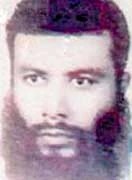
Next, Pakistani intelligence announced the demise of both Khalid Habib, whom they described as the operations chieftain in Pakistan, as well as Abu Abdulrahman al-Maghrebi, whom they called an operations planner64. This was incorrect as Khalid Habib was the appointed al-Qaida paramilitary commander, and Maghrebi, the son in law of Zawahiri, was in charge of the propagandizing media outlet as-Sahab65. Local press correctly described Maghrebi’s role in the network, and also postulated that Abu Ubaidah al-Masri was among those killed as well66. By the next day, analysts were circulating the news that Marwan Hadid al-Suri and Abdulhadi al-Iraqi were both added to the ever-growing list of those slain at Damadola67. Afghan sources correctly described Marwan Hadid al-Suri as leading al-Qaida efforts in Bajaur, and Abu Ubaidah al-Masri as leading across the border in Kunar68. This taking into consideration that the sources would have had no idea that Abu Ubaidah was actually working in external operations to the south in North Waziristan69. Other journalists disputed that Abdulhadi al-Iraqi was present for this supposed al-Qaida summit, saying that there was no confirmation of his attendance, despite his invite70. Furthermore, Maulvi Faqir Mohamed of the local militant organization TNSM (Tehreek e Nafaz e Shariat e Mohamedi) and another senior official of the group, Maulvi Liaquat Hussain, a close affiliate of Zawahiri’s, were said to have departed prior to the strike and survived the cursed summit71. In fact, Pakistan remained committed to telling a version of the story in which they had forces on the ground, at the site of the strike, after the explosions to collect samples and were currently actively pursuing the TNSM leaders72.
The Actual Casualties

After the reports from Damadola settled, the identities of the actual militants killed were eventually revealed. One was unsurprisingly the Saudi Abu Ikrimah al-Ghamdi, whose given name was Sultan al-Ghamdi73. He arrived in Afghanistan in 2001 for paramilitary training, with the invasion forcing him to eventually flee to the FATA74. First though, he fought as a foreign combatant in the infamous Battle of Shah I Kot in March 200275. Abu Ikrimah was later appointed to a position on the al-Qaida Military Committee76. The Algerian brother-in-law of Marwan Hadid al-Suri was also among the dead at Damadola77. Abu Ali al-Maliki al-Jaziri had come to Afghanistan to fight the Soviets and remained all the way through the US invasion, being forced to flee only then78. He was known for explosives training and the preparation of suicide attackers79. His connection to al-Qaida went beyond Marwan, as Abu Ali was among those who were specifically described by senior al-Qaida official Saif al-Adel as fleeing the bombing in Kandahar in late 200180.
Sheikh Said al-Masri directly reported to bin Laden that of the 18 slain at Damadola, 12 were absolute civilians, with six militant guests81. He clarified the jihadists as three Arabs, two Pakistanis, and one Tajik82. The first two Arabs are uncontested, but the third Arab Damadola casualty has been reported differently from various sources. According to US intelligence, via the Guantanamo detainee assessment of Harun al-Afghani, the third Arab was Abu Yasir al-Suri, an associate of Marwan Hadid al-Suri83. Sheikh Said al-Masri however, reports this individual only as a Saudi known as Talut84. Al-Qaida internal communications and eulogies expended the effort to mention both Ghamdi and Jaziri, and their unfortunate fates85. This same series of eulogies references Khalid Hussain al-Qathami, a Saudi with the kunya Abu Talut al-Taifi86. Abu Talut attended al-Faruq training camp outside of Kandahar and fought against the Northern Alliance in the al-Qaida’s all Arab contribution to the Taliban military, Brigade 5587. He fought along the frontlines above Kabul and further north88. After the American invasion and his eventual wounding, Abu Talut fled through various Afghan cities for medical recuperation and eventually ended up in Quetta, Pakistan89. He was stymied in his efforts to return to Saudi Arabia, and instead joined the militants based in the Pakistani tribal agencies90. There he was reported to have been killed in an American airstrike91. This Abu Talut seems to match with the third slain Arab as referenced by Mustafa Abu Yazid. In this case, the information flowing from the al-Qaida internal manager must be given precedence and accepted as fact in terms of casualty reporting. Furthermore, there is no Abu Yasir al-Suri reported among the many al-Qaida eulogies from the time92.

The entire Damadola event seems to have been spurred by Abu Ikrimah al-Ghamdi’s obstinance in continuing to use Bakhtpur Khan’s compounds as safehouses, despite the obvious concerns. Significant figures located in Bajaur like Abu Sulaiman al-Jaziri and Marwan Hadid al-Suri avoided disaster by simply being cautious. For Zawahiri, he was certainly familiar with Bajaur, considering his associations with Maulvi Faqir Mohamed and Maulvi Liaquat Hussain, but his security precautions surely precluded him from using the residence in any manner. There was no summit, but rather peripheral al-Qaida figures and a member of the Military Committee using a local tribesman’s home as a safehouse.
Portent of the Future
The entire episode was farcical, with the amount of damage supposedly done to al-Qaida in one instant. Yet Damadola is remembered among the drone strikes so clearly, due to the rarity of the events at that particular time, the startling collateral damage, as well as the public backlash. It is a microcosm of the entire future campaign. Over four years since the 9/11 attacks, with no real justice yet served, the American government was desperate to offer the public a success, and thus everyone wanted to believe Zawahiri was eliminated. With that dream dashed, the Pakistanis were quick to offer consolation in the form of Midhat Mursi and the others. For their own public, President Musharraf and Pakistani authorities took a different tone, declaring that the carnage of Damadola was not to be seen again and that Musharraf reiterated this to American officials93. Despite this he claimed to remain steadfast to the cause of eliminating terrorists94.
Much to the dismay of all involved, bin Laden released an audio message on Jan 19, focused on criticizing the war in Iraq and making threats, followed by Zawahiri releasing an actual video message, accusing President Bush of atrocities and specifically decrying the incident at Damadola95. Thus, Zawahiri was proven to be alive and well96. Presumably this should have been the first indication that Abu Abdulrahman al-Maghrebi was well also, in that as-Sahab produced the response video so rapidly. Zawahiri condemned the drone strike, the Americans, and Pakistani government, and mourned the 18 killed97. Zawahiri mocked President Bush and cites the failure of the Americans to assassinate him, stating that their goal was to kill him and four of his brothers98. This seems to indicate an acknowledgement of four militants who did actually perish. Both bin Laden and Zawahiri threatened suicide attacks across Europe and America, giving vague assurances but no specific details99. After some time, as the focus on Damadola dimmed, the Pakistani and American authorities eventually acknowledged that none of those they claimed were killed had actually died in the strike100. Midhat Mursi remained wanted; Khalid Habib, Abdulhadi al-Iraqi, Abu Ubaidah al-Masri, Abu Abdulrahman al-Maghrebi, and Marwan Hadid al-Suri remained operational101. For some of them, the Damadola incident was the first time that their names and aliases were publicly exposed, or at least within a major news event. But the al-Qaida leadership in the FATA survived and continued to expand, both for operations in the Khorasan and abroad.

Midhat Mursi’s rumor of death lingered the longest, but the embarrassment of rejoicing his supposed assassination was enhanced by basic mistakes on the part of American authorities. His Rewards for Justice profile posted in 2005 lacked in sufficient biographical details102. In addition, his wanted picture was revealed by NBC News in January 2006, the month of his supposed death, to be fraudulent, and a recycled photograph of the zealous and violent imam Abu Hamza al-Masri from London103. The CIA and State Department were forced to acknowledge the error104. All the while, Mursi continued to operate105.
Damadola was a foundation for future strikes. Often the strikes were necessary to remove unknown yet important al-Qaida commanders such as Abu Ikrimah, a newcomer to jihad who had ascended to the Military Committee over the course of the war. Also often, the strikes unfortunately resulted in civilian casualties. These factors created a maelstrom in public opinion, offering the assassination of reinforcing militants before they could harm Americans in the war theatre or at home, but also offering the justification in terms of civilian casualties for demanding the cessation of the strikes.
CITATIONS:
- Guantanamo Assessment File, Harun Shirzad al-Afghani, ISN 1348, https://wikileaks.org/gitmo/prisoner/3148.html ↩︎
- Guantanamo Assessment File, Harun Shirzad al-Afghani, ISN 1348, https://wikileaks.org/gitmo/prisoner/3148.html ↩︎
- Guantanamo Assessment File, Harun Shirzad al-Afghani, ISN 1348, https://wikileaks.org/gitmo/prisoner/3148.html ↩︎
- Guantanamo Assessment File, Harun Shirzad al-Afghani, ISN 1348, https://wikileaks.org/gitmo/prisoner/3148.html ↩︎
- Guantanamo Assessment File, Harun Shirzad al-Afghani, ISN 1348, https://wikileaks.org/gitmo/prisoner/3148.html ↩︎
- Who is Abu Ubaidah al-Masri and Why Should We Care: An Obituary, by Dr. Bruce Hoffman, SITE Intelligence // Attack Planner for Al-Qaeda Reported Dead, by Eric Schmitt, The New York Times, April 10, 2008, https://www.nytimes.com/2008/04/10/washington/10terror.html ↩︎
- Guantanamo Assessment File, Harun Shirzad al-Afghani, ISN 1348, https://wikileaks.org/gitmo/prisoner/3148.html ↩︎
- Guantanamo Assessment File, Harun Shirzad al-Afghani, ISN 1348, https://wikileaks.org/gitmo/prisoner/3148.html ↩︎
- Guantanamo Assessment File, Harun Shirzad al-Afghani, ISN 1348, https://wikileaks.org/gitmo/prisoner/3148.html ↩︎
- Guantanamo Assessment File, Harun Shirzad al-Afghani, ISN 1348, https://wikileaks.org/gitmo/prisoner/3148.html ↩︎
- Guantanamo Assessment File, Harun Shirzad al-Afghani, ISN 1348, https://wikileaks.org/gitmo/prisoner/3148.html ↩︎
- Guantanamo Assessment File, Harun Shirzad al-Afghani, ISN 1348, https://wikileaks.org/gitmo/prisoner/3148.html ↩︎
- Guantanamo Assessment File, Harun Shirzad al-Afghani, ISN 1348, https://wikileaks.org/gitmo/prisoner/3148.html ↩︎
- Al-Qaida Internal Communique entitled “Lessons Learned Following The Fall of the Islamic Emirate,” https://www.dni.gov/files/documents/ubl/english/Lessons%20Learned%20Following%20the%20Fall%20of%20the%20Islamic%20Emirate.pdf ↩︎
- Two Senior Al-Qaeda Men Killed in Bajaur Raid, by Ismail Khan, Dawn, January 19, 2006, http://www.dawn.com/news/174838/two-senior-al-qaeda-men-killed-in-bajaur-raid ↩︎
- Two Senior Al-Qaeda Men Killed in Bajaur Raid, by Ismail Khan, Dawn, January 19, 2006, http://www.dawn.com/news/174838/two-senior-al-qaeda-men-killed-in-bajaur-raid ↩︎
- Al-Qaida Internal Communique entitled “Lessons Learned Following The Fall of the Islamic Emirate,” https://www.dni.gov/files/documents/ubl/english/Lessons%20Learned%20Following%20the%20Fall%20of%20the%20Islamic%20Emirate.pdf // Zawahiri, and al Qaeda’s Future Plans, by Bill Roggio, The Long War Journal, January 15, 2006, https://www.longwarjournal.org/archives/2006/01/zawahiri_and_alqaeda.php ↩︎
- Al-Qaida Internal Communique entitled “Lessons Learned Following The Fall of the Islamic Emirate,” https://www.dni.gov/files/documents/ubl/english/Lessons%20Learned%20Following%20the%20Fall%20of%20the%20Islamic%20Emirate.pdf ↩︎
- Letter from Sheikh Said al-Masri (Mustafa Othman Abu Yazid) to bin Laden, dated March 1, 2006 ↩︎
- Letter from Sheikh Said al-Masri (Mustafa Othman Abu Yazid) to bin Laden, dated March 1, 2006 ↩︎
- Al-Qaida Internal Communique entitled “Lessons Learned Following The Fall of the Islamic Emirate,” https://www.dni.gov/files/documents/ubl/english/Lessons%20Learned%20Following%20the%20Fall%20of%20the%20Islamic%20Emirate.pdf ↩︎
- The drone, the CIA and a botched attempt to kill bin Laden’s deputy, by Jason Burke and Imtiaz Gul, The Guardian, January 14, 2006, http://www.theguardian.com/world/2006/jan/15/alqaida.pakistan ↩︎
- The drone, the CIA and a botched attempt to kill bin Laden’s deputy, by Jason Burke and Imtiaz Gul, The Guardian, January 14, 2006, http://www.theguardian.com/world/2006/jan/15/alqaida.pakistan ↩︎
- al Qaeda Attacked: Zawahiri Dead?, by Bill Roggio, The Long War Journal, January 14, 2006, https://www.longwarjournal.org/archives/2006/01/alqaeda_attacked_zaw.php ↩︎
- Letter from Sheikh Said al-Masri (Mustafa Othman Abu Yazid) to bin Laden, dated March 1, 2006 ↩︎
- The drone, the CIA and a botched attempt to kill bin Laden’s deputy, by Jason Burke and Imtiaz Gul, The Guardian, January 14, 2006, http://www.theguardian.com/world/2006/jan/15/alqaida.pakistan ↩︎
- The drone, the CIA and a botched attempt to kill bin Laden’s deputy, by Jason Burke and Imtiaz Gul, The Guardian, January 14, 2006, http://www.theguardian.com/world/2006/jan/15/alqaida.pakistan ↩︎
- Sources: Airstrike may have killed bin Laden’s No. 2, by David Ensor, CNN, January 14, 2006, http://www.cnn.com/2006/WORLD/meast/01/13/alqaeda.strike/index.html ↩︎
- The drone, the CIA and a botched attempt to kill bin Laden’s deputy, by Jason Burke and Imtiaz Gul, The Guardian, January 14, 2006, http://www.theguardian.com/world/2006/jan/15/alqaida.pakistan ↩︎
- The drone, the CIA and a botched attempt to kill bin Laden’s deputy, by Jason Burke and Imtiaz Gul, The Guardian, January 14, 2006, http://www.theguardian.com/world/2006/jan/15/alqaida.pakistan ↩︎
- The drone, the CIA and a botched attempt to kill bin Laden’s deputy, by Jason Burke and Imtiaz Gul, The Guardian, January 14, 2006, http://www.theguardian.com/world/2006/jan/15/alqaida.pakistan ↩︎
- The drone, the CIA and a botched attempt to kill bin Laden’s deputy, by Jason Burke and Imtiaz Gul, The Guardian, January 14, 2006, http://www.theguardian.com/world/2006/jan/15/alqaida.pakistan ↩︎
- The drone, the CIA and a botched attempt to kill bin Laden’s deputy, by Jason Burke and Imtiaz Gul, The Guardian, January 14, 2006, http://www.theguardian.com/world/2006/jan/15/alqaida.pakistan ↩︎
- Hunting Zawahiri and al Qaeda on the Border, by Bill Roggio, The Long War Journal, January 17, 2006, https://www.longwarjournal.org/archives/2006/01/hunting_zawahiri_and.php ↩︎
- Hunting Zawahiri and al Qaeda on the Border, by Bill Roggio, The Long War Journal, January 17, 2006, https://www.longwarjournal.org/archives/2006/01/hunting_zawahiri_and.php ↩︎
- Hunting Zawahiri and al Qaeda on the Border, by Bill Roggio, The Long War Journal, January 17, 2006, https://www.longwarjournal.org/archives/2006/01/hunting_zawahiri_and.php ↩︎
- Sources: Airstrike may have killed bin Laden’s No. 2, by David Ensor, CNN, January 14, 2006, http://www.cnn.com/2006/WORLD/meast/01/13/alqaeda.strike/index.html ↩︎
- Zawahiri, and al Qaeda’s Future Plans, by Bill Roggio, The Long War Journal, January 15, 2006, https://www.longwarjournal.org/archives/2006/01/zawahiri_and_alqaeda.php ↩︎
- al Qaeda Attacked: Zawahiri Dead?, by Bill Roggio, The Long War Journal, January 14, 2006, https://www.longwarjournal.org/archives/2006/01/alqaeda_attacked_zaw.php ↩︎
- The drone, the CIA and a botched attempt to kill bin Laden’s deputy, by Jason Burke and Imtiaz Gul, The Guardian, January 14, 2006, http://www.theguardian.com/world/2006/jan/15/alqaida.pakistan ↩︎
- The drone, the CIA and a botched attempt to kill bin Laden’s deputy, by Jason Burke and Imtiaz Gul, The Guardian, January 14, 2006, http://www.theguardian.com/world/2006/jan/15/alqaida.pakistan ↩︎
- The drone, the CIA and a botched attempt to kill bin Laden’s deputy, by Jason Burke and Imtiaz Gul, The Guardian, January 14, 2006, http://www.theguardian.com/world/2006/jan/15/alqaida.pakistan ↩︎
- The drone, the CIA and a botched attempt to kill bin Laden’s deputy, by Jason Burke and Imtiaz Gul, The Guardian, January 14, 2006, http://www.theguardian.com/world/2006/jan/15/alqaida.pakistan // Sources: Airstrike may have killed bin Laden’s No. 2, by David Ensor, CNN, January 14, 2006, http://www.cnn.com/2006/WORLD/meast/01/13/alqaeda.strike/index.html ↩︎
- Musharraf Protests US Attack, by Riaz Khan, The Arab News via The Associated Press, January 22, 2006, http://www.arabnews.com/node/279256 ↩︎
- Zawahiri, and al Qaeda’s Future Plans, by Bill Roggio, The Long War Journal, January 15, 2006, https://www.longwarjournal.org/archives/2006/01/zawahiri_and_alqaeda.php ↩︎
- Hunting Zawahiri and al Qaeda on the Border, by Bill Roggio, The Long War Journal, January 17, 2006, https://www.longwarjournal.org/archives/2006/01/hunting_zawahiri_and.php ↩︎
- Sources: Airstrike may have killed bin Laden’s No. 2, by David Ensor, CNN, January 14, 2006, http://www.cnn.com/2006/WORLD/meast/01/13/alqaeda.strike/index.html ↩︎
- Sources: Airstrike may have killed bin Laden’s No. 2, by David Ensor, CNN, January 14, 2006, http://www.cnn.com/2006/WORLD/meast/01/13/alqaeda.strike/index.html ↩︎
- The drone, the CIA and a botched attempt to kill bin Laden’s deputy, by Jason Burke and Imtiaz Gul, The Guardian, January 14, 2006, http://www.theguardian.com/world/2006/jan/15/alqaida.pakistan ↩︎
- Zawahiri, and al Qaeda’s Future Plans, by Bill Roggio, The Long War Journal, January 15, 2006, https://www.longwarjournal.org/archives/2006/01/zawahiri_and_alqaeda.php ↩︎
- al Qaeda Attacked: Zawahiri Dead?, by Bill Roggio, The Long War Journal, January 14, 2006, https://www.longwarjournal.org/archives/2006/01/alqaeda_attacked_zaw.php ↩︎
- Zawahiri, and al Qaeda’s Future Plans, by Bill Roggio, The Long War Journal, January 15, 2006, https://www.longwarjournal.org/archives/2006/01/zawahiri_and_alqaeda.php ↩︎
- Zawahiri, and al Qaeda’s Future Plans, by Bill Roggio, The Long War Journal, January 15, 2006, https://www.longwarjournal.org/archives/2006/01/zawahiri_and_alqaeda.php ↩︎
- Hunting Zawahiri and al Qaeda on the Border, by Bill Roggio, The Long War Journal, January 17, 2006, https://www.longwarjournal.org/archives/2006/01/hunting_zawahiri_and.php ↩︎
- Two Senior Al-Qaeda Men Killed in Bajaur Raid, by Ismail Khan, Dawn, January 19, 2006, http://www.dawn.com/news/174838/two-senior-al-qaeda-men-killed-in-bajaur-raid ↩︎
- Hunting Zawahiri and al Qaeda on the Border, by Bill Roggio, The Long War Journal, January 17, 2006, https://www.longwarjournal.org/archives/2006/01/hunting_zawahiri_and.php ↩︎
- Hunting Zawahiri and al Qaeda on the Border, by Bill Roggio, The Long War Journal, January 17, 2006, https://www.longwarjournal.org/archives/2006/01/hunting_zawahiri_and.php ↩︎
- Hunting Zawahiri and al Qaeda on the Border, by Bill Roggio, The Long War Journal, January 17, 2006, https://www.longwarjournal.org/archives/2006/01/hunting_zawahiri_and.php ↩︎
- Abu Khabab al-Masri Killed in Pakistan Strike, by Bill Roggio, The Long War Journal, January 18, 2006, https://www.longwarjournal.org/archives/2006/01/abu_khabab_almasri_k.php ↩︎
- Abu Khabab al-Masri Killed in Pakistan Strike, by Bill Roggio, The Long War Journal, January 18, 2006, https://www.longwarjournal.org/archives/2006/01/abu_khabab_almasri_k.php // U.S. Strike Killed Al Qaeda Bomb Maker, ABC News, January 18, 2006, http://www.abcnews.go.com/WNT/Investigation/story?id=1517986 ↩︎
- He’s the son of Osama bin Laden’s bombmaker. Then ISIS wanted him as one of their own., by Souad Mekhennet and Greg Miller, The Washington Post, August 5, 2016, http://www.washingtonpost.com/sf/national/2016/08/05/bombmaker/ ↩︎
- U.S. Strike Killed Al Qaeda Bomb Maker, ABC News, January 18, 2006, http://www.abcnews.go.com/WNT/Investigation/story?id=1517986 ↩︎
- U.S. Strike Killed Al Qaeda Bomb Maker, ABC News, January 18, 2006, http://www.abcnews.go.com/WNT/Investigation/story?id=1517986 ↩︎
- U.S. Strike Killed Al Qaeda Bomb Maker, ABC News, January 18, 2006, http://www.abcnews.go.com/WNT/Investigation/story?id=1517986 ↩︎
- Two Senior Al-Qaeda Men Killed in Bajaur Raid, by Ismail Khan, Dawn, January 19, 2006, http://www.dawn.com/news/174838/two-senior-al-qaeda-men-killed-in-bajaur-raid // U.S. Strike Killed Al Qaeda Bomb Maker, ABC News, January 18, 2006, http://www.abcnews.go.com/WNT/Investigation/story?id=1517986 // Letter from Abu Faraj al-Libi to Bin Laden, dated October 18, 2004 ↩︎
- Two Senior Al-Qaeda Men Killed in Bajaur Raid, by Ismail Khan, Dawn, January 19, 2006, http://www.dawn.com/news/174838/two-senior-al-qaeda-men-killed-in-bajaur-raid ↩︎
- Two more al Qaeda Commanders believed killed in Damadola, by Bill Roggio, The Long War Journal, January 19, 2006, http://www.longwarjournal.org/archives/2006/01/two_more_alqaeda_com.php ↩︎
- Two more al Qaeda Commanders believed killed in Damadola, by Bill Roggio, The Long War Journal, January 19, 2006, http://www.longwarjournal.org/archives/2006/01/two_more_alqaeda_com.php ↩︎
- Permanent Emergency: Inside the TSA and the Fight for the Future of American Security, by Kip Hawley and Nathan Means, St Martin’s Publishing Group, 2012 ↩︎
- Two more al Qaeda Commanders believed killed in Damadola, by Bill Roggio, The Long War Journal, January 19, 2006, http://www.longwarjournal.org/archives/2006/01/two_more_alqaeda_com.php ↩︎
- Two more al Qaeda Commanders believed killed in Damadola, by Bill Roggio, The Long War Journal, January 19, 2006, http://www.longwarjournal.org/archives/2006/01/two_more_alqaeda_com.php ↩︎
- Developments in Damadola, by Bill Roggio, The Long War Journal, January 21, 2006, http://www.longwarjournal.org/archives/2006/01/developments_in_dama.php ↩︎
- Letter from Sheikh Said al-Masri (Mustafa Othman Abu Yazid) to bin Laden, dated March 1, 2006 ↩︎
- Martyrs in a Time of Alienation, by Abu Ubaidah al-Maqdisi (Abdullah al-Adam), (book of 120 deceased militant biographies from the Khorasan theatre), 2008 ↩︎
- Martyrs in a Time of Alienation, by Abu Ubaidah al-Maqdisi (Abdullah al-Adam), (book of 120 deceased militant biographies from the Khorasan theatre), 2008 ↩︎
- Martyrs in a Time of Alienation, by Abu Ubaidah al-Maqdisi (Abdullah al-Adam), (book of 120 deceased militant biographies from the Khorasan theatre), 2008 ↩︎
- Guantanamo Assessment File, Harun Shirzad al-Afghani, ISN 1348, https://wikileaks.org/gitmo/prisoner/3148.html ↩︎
- Martyrs in a Time of Alienation, by Abu Ubaidah al-Maqdisi (Abdullah al-Adam), (book of 120 deceased militant biographies from the Khorasan theatre), 2008 ↩︎
- Martyrs in a Time of Alienation, by Abu Ubaidah al-Maqdisi (Abdullah al-Adam), (book of 120 deceased militant biographies from the Khorasan theatre), 2008 ↩︎
- Al-Qa’ida Member Recalls US Bombardment, Accuses Taliban of Betrayal, Asharq al-Awsat, October 29, 2003, http://www.web.archive.org/web/20040610170428/http:/www.why-war.com/news/2003/10/29/alqaidam.html ↩︎
- Letter from Sheikh Said al-Masri (Mustafa Othman Abu Yazid) to bin Laden, dated March 1, 2006 ↩︎
- Letter from Sheikh Said al-Masri (Mustafa Othman Abu Yazid) to bin Laden, dated March 1, 2006 ↩︎
- Guantanamo Assessment File, Harun Shirzad al-Afghani, ISN 1348, https://wikileaks.org/gitmo/prisoner/3148.html ↩︎
- Letter from Sheikh Said al-Masri (Mustafa Othman Abu Yazid) to bin Laden, dated March 1, 2006 ↩︎
- Martyrs in a Time of Alienation, by Abu Ubaidah al-Maqdisi (Abdullah al-Adam), (book of 120 deceased militant biographies from the Khorasan theatre), 2008 ↩︎
- Martyrs in a Time of Alienation, by Abu Ubaidah al-Maqdisi (Abdullah al-Adam), (book of 120 deceased militant biographies from the Khorasan theatre), 2008 ↩︎
- Martyrs in a Time of Alienation, by Abu Ubaidah al-Maqdisi (Abdullah al-Adam), (book of 120 deceased militant biographies from the Khorasan theatre), 2008 ↩︎
- Martyrs in a Time of Alienation, by Abu Ubaidah al-Maqdisi (Abdullah al-Adam), (book of 120 deceased militant biographies from the Khorasan theatre), 2008 ↩︎
- Martyrs in a Time of Alienation, by Abu Ubaidah al-Maqdisi (Abdullah al-Adam), (book of 120 deceased militant biographies from the Khorasan theatre), 2008 ↩︎
- Martyrs in a Time of Alienation, by Abu Ubaidah al-Maqdisi (Abdullah al-Adam), (book of 120 deceased militant biographies from the Khorasan theatre), 2008 ↩︎
- Martyrs in a Time of Alienation, by Abu Ubaidah al-Maqdisi (Abdullah al-Adam), (book of 120 deceased militant biographies from the Khorasan theatre), 2008 ↩︎
- Martyrs in a Time of Alienation, by Abu Ubaidah al-Maqdisi (Abdullah al-Adam), (book of 120 deceased militant biographies from the Khorasan theatre), 2008 ↩︎
- Musharraf Protests US Attack, by Riaz Khan, The Arab News via The Associated Press, January 22, 2006, http://www.arabnews.com/node/279256 ↩︎
- Musharraf Protests US Attack, by Riaz Khan, The Arab News via The Associated Press, January 22, 2006, http://www.arabnews.com/node/279256 ↩︎
- Zawahiri Calls Bush a ‘Butcher’ in Video, by William Branigin, The Washington Post, January 30, 2006, http://www.washingtonpost.com/archive/business/technology/2006/01/30/zawahiri-calls-bush-a-butcher-in-video/565a48fb-83ac-48d7-a20e-02d8e1b7fefe/ ↩︎
- Zawahiri Calls Bush a ‘Butcher’ in Video, by William Branigin, The Washington Post, January 30, 2006, http://www.washingtonpost.com/archive/business/technology/2006/01/30/zawahiri-calls-bush-a-butcher-in-video/565a48fb-83ac-48d7-a20e-02d8e1b7fefe/ ↩︎
- Zawahiri Calls Bush a ‘Butcher’ in Video, by William Branigin, The Washington Post, January 30, 2006, http://www.washingtonpost.com/archive/business/technology/2006/01/30/zawahiri-calls-bush-a-butcher-in-video/565a48fb-83ac-48d7-a20e-02d8e1b7fefe/ ↩︎
- Zawahiri Calls Bush a ‘Butcher’ in Video, by William Branigin, The Washington Post, January 30, 2006, http://www.washingtonpost.com/archive/business/technology/2006/01/30/zawahiri-calls-bush-a-butcher-in-video/565a48fb-83ac-48d7-a20e-02d8e1b7fefe/ ↩︎
- Zawahiri Calls Bush a ‘Butcher’ in Video, by William Branigin, The Washington Post, January 30, 2006, http://www.washingtonpost.com/archive/business/technology/2006/01/30/zawahiri-calls-bush-a-butcher-in-video/565a48fb-83ac-48d7-a20e-02d8e1b7fefe/ ↩︎
- The New Al-Qaeda Central, by Craig Whitlock, The Washington Post, September 9, 2007, http://www.washingtonpost.com/wp-dyn/content/article/2007/09/08/AR2007090801845_3.html ↩︎
- The New Al-Qaeda Central, by Craig Whitlock, The Washington Post, September 9, 2007, http://www.washingtonpost.com/wp-dyn/content/article/2007/09/08/AR2007090801845_3.html ↩︎
- Egyptian chemist is a shadowy player in al-Qaida’s ranks, by Charles J Hanley, The Associated Press, December 3, 2005, http://www.ocala.com/story/news/2005/12/04/egyptian-chemist-is-a-shadowy-player-in-al-qaidas-ranks/31142875007/ // Midhat Mursi al-Sayid Umar, US Department of State Rewards for Justice Program, http://www.web.archive.org/web/20060110180819/http://www.rewardsforjustice.net/english/wanted_captured/index.cfm?page=Midhat_Mursi ↩︎
- U.S. posts wrong photo of ‘al-Qaida operative’, by Lisa Myers, NBC News, January 26, 2006, http://www.nbcnews.com/id/wbna11042211#.UveULPldWuI ↩︎
- U.S. posts wrong photo of ‘al-Qaida operative’, by Lisa Myers, NBC News, January 26, 2006, http://www.nbcnews.com/id/wbna11042211#.UveULPldWuI ↩︎
- The New Al-Qaeda Central, by Craig Whitlock, The Washington Post, September 9, 2007, http://www.washingtonpost.com/wp-dyn/content/article/2007/09/08/AR2007090801845_3.html // Midhat Mursi al-Sayid Umar, US Department of State Rewards for Justice Program, http://www.web.archive.org/web/20060110180819/http://www.rewardsforjustice.net/english/wanted_captured/index.cfm?page=Midhat_Mursi ↩︎
© Copyright 2024 Nolan R Beasley
 Chronicles in Zealotry